- Home
- Food and wine
- Mallorcan cuisine: the dishes to know
Mallorcan cuisine: the dishes to know
Mallorcan cooking is country food, shaped by a dry climate, a pig in every yard and a calendar of feasts. It was made by farmers who wasted nothing: stale bread became soup, offal became frit, and the winter slaughter filled the larder for a year. Little of it is refined and most of it is generous. Learn a dozen names and the island's menus open up, along with the logic of what is eaten in which month, and why.
Pa amb oli and the bread-based classics
Pa amb oli, bread with oil, is the dish Mallorcans miss when they leave the island. The traditional loaf is dense, brown and made without salt, so the seasoning goes on top. A slice is rubbed with a ramellet tomato, one of the thick-skinned varieties hung in bunches to keep through the winter, then soaked in olive oil and salted. It arrives with cured ham or cheese, cracked green olives and pickled sea fennel, known as fonoll marí. At home it is a light supper; in a village bar it is lunch.
Coca de trempó belongs to the same family. A thin base of olive-oil dough is covered with trempó, the summer salad of finely chopped green pepper, tomato and sweet onion, and baked until the edges crisp. It is sold by the slice and eaten at room temperature. Both dishes stand or fall on the oil, which is one reason the island takes such care over its olive oil, almonds and oranges.
From the earthenware dish: tumbet, sopes, arròs brut and frit
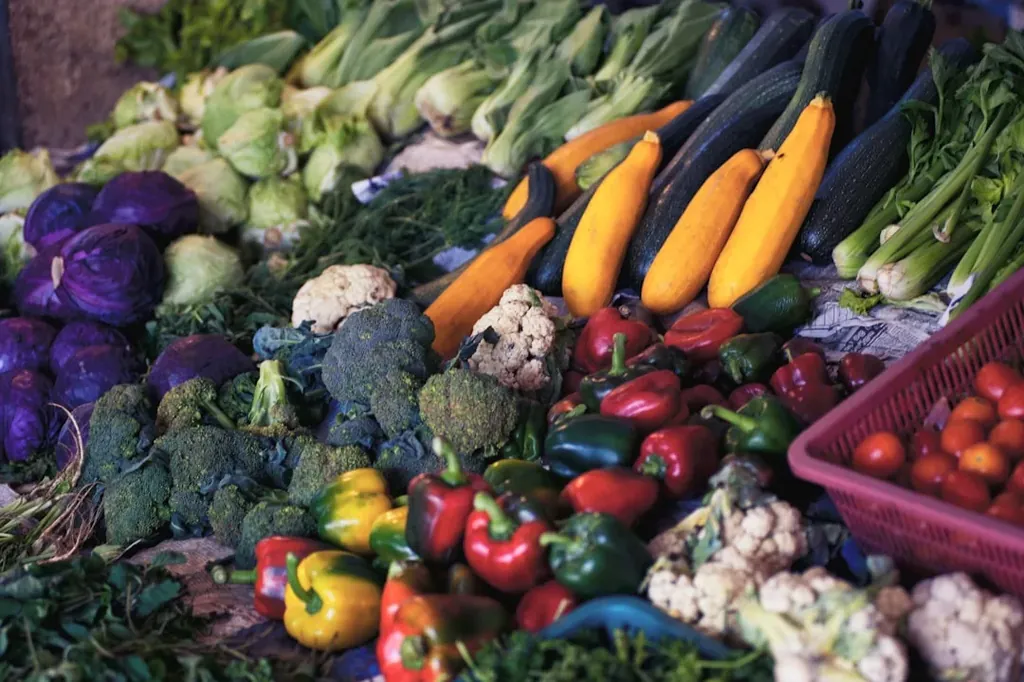
Many island dishes are cooked in a greixonera, the shallow glazed earthenware dish that goes straight into the oven. Tumbet is the summer one: layers of fried potato, aubergine and red pepper under a slow tomato sauce. Served alone it is a vegetable dish; beside fried fish or a pork chop it becomes a meal. Sopes mallorquines are its winter counterpart, and not a soup in the English sense. Thin slices of dry brown bread are laid in the dish and soaked with a broth of cabbage, onion, garlic and whatever the garden gives.
Arròs brut, dirty rice, is darker and richer. The rice cooks in a loose broth with pork, chicken or rabbit, vegetables and a warm mix of spices that usually includes cinnamon and clove, which gives the dish its colour. In autumn it may carry wild mushrooms or snails. It is served in its broth and eaten with a spoon, a dish for cool days and long Sunday lunches.
Frit mallorquí is the dish that divides visitors. Diced liver and other offal of pork or lamb are fried with potato, red pepper, garlic and wild fennel. Lamb frit belongs to Easter, pork frit to the winter slaughter. It turns up on mid-morning plates in the market towns as readily as at lunch, and a good one is fragrant rather than heavy.
The matances: the winter pig slaughter
For centuries the rural year turned on the matances, the slaughter of the family pig in the cold months, when meat could be cured without spoiling. A Catalan saying holds that every pig meets its Sant Martí, the November feast that traditionally opened the season. The work took a day or more and the whole household, with relatives and neighbours at long tables chopping, seasoning and filling casings while the first frit of the day cooked for the helpers.
The result stocked the larder for a year. Sobrassada is the best known product: raw pork minced with salt and plenty of paprika, the local pebre bord, then cured in its casing until it is soft enough to spread. Sobrassada de Mallorca is a protected geographical indication, and the version made from the native black pig is the most prized. Alongside it come botifarrons, spiced blood sausages, and other cured meats. Sobrassada is spread on bread, sometimes with a trickle of honey, fried with eggs or melted into stews.
Today most families buy rather than slaughter, but several villages keep the matances alive as a public festival in winter, and the custom sits close to the season of bonfires and blessings described in our guide to festivals and traditions.
Pastries from the village bakery
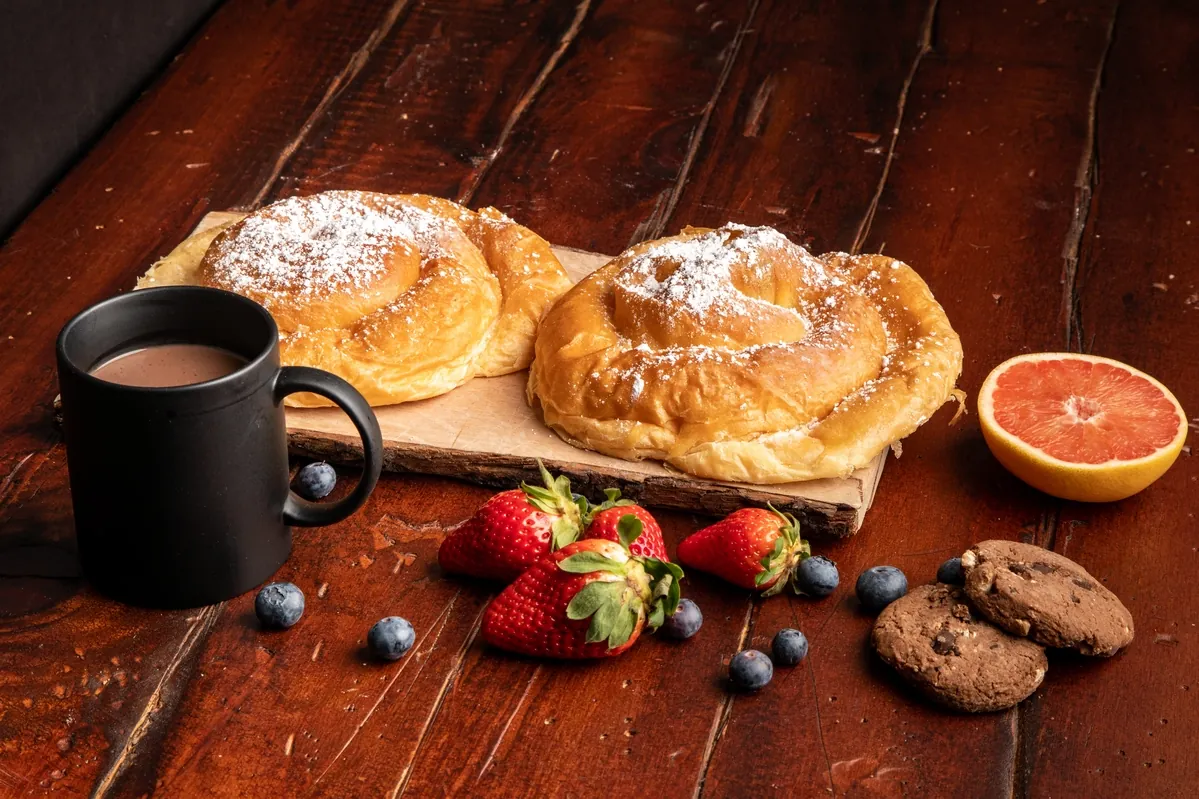
Ensaïmada is the island's signature. A soft, coiled pastry made with flour, eggs, sugar and saïm, the pork lard that gives it its name, it rises slowly and is dusted with icing sugar once baked. The plain version is the one to judge a baker by. Filled ones carry cabell d'àngel, a stringy squash jam, or cream, and around carnival you will find it topped with sobrassada and slices of candied squash. Ensaïmada de Mallorca is a protected geographical indication, and the large ones travel home in flat cardboard boxes as hand luggage.
Savoury pastries are just as rooted. Cocarrois are half-moon pasties of thin dough filled with greens, usually chard or spinach with onion, sometimes with raisins and pine nuts; they are a classic of Lent, when meat was off the table. At Easter the bakeries fill with panades, little pies of lamb or fish, and robiols, folded sweet pastries filled with curd cheese or jam.
Sweet endings and a glass of herbes
Greixonera is also the name of the puddings baked in that same dish. The best known uses brossat, a fresh curd cheese, with eggs, sugar, lemon and cinnamon; a thriftier version soaks yesterday's ensaïmadas in milk and egg. Gató d'almendra is the island's almond cake, made with ground almonds instead of wheat flour, scented with lemon zest and cinnamon and traditionally served with almond ice cream.
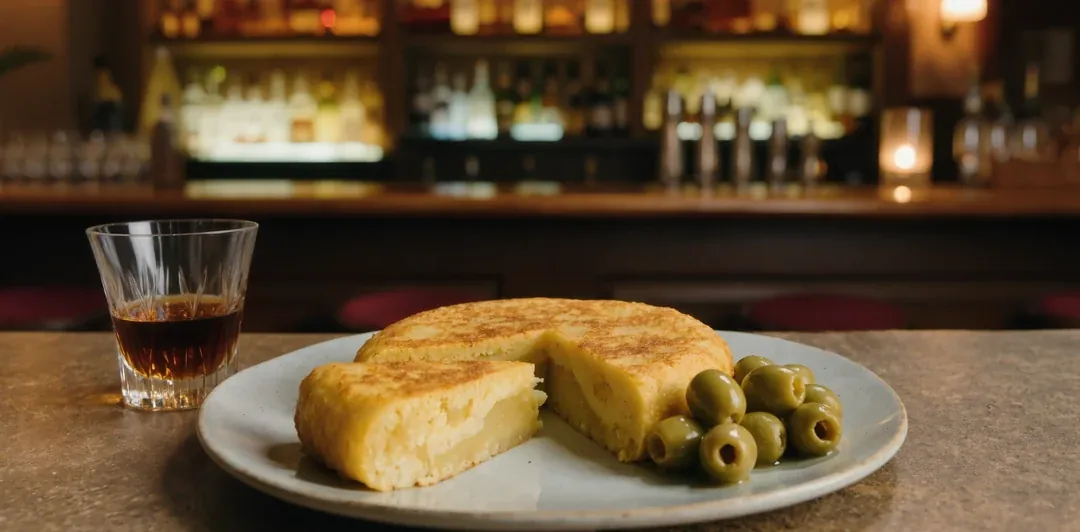
Meals end with herbes, the island's herbal anise liqueur. It is made by steeping aromatic plants such as fennel, rosemary, lemon verbena and camomile in an anise spirit, and comes in three styles: seques, which are dry; dolces, which are sweet; and mesclades, a mix of the two. Herbes de Mallorca is a protected geographical indication. Restaurants often bring a bottle to the table unasked. A small glass is a digestif, not a challenge.
The rhythm of the year
Mallorcan cooking follows the calendar more closely than most menus suggest. Village cooks still plan around the garden, the hunting season, the feasts and the old Lenten fast. If a dish is missing from the menu, it is usually out of season rather than forgotten, and the weekly markets are the best guide to what is ready.
- Winter: sopes, arròs brut, frit after the matances, fresh sobrassada and oranges from Sóller
- Spring: cocarrois in Lent, panades and robiols at Easter, broad beans, peas and wild asparagus
- Summer: tumbet, trempó and coca de trempó, ripe ramellet tomatoes, figs and almond ice cream
- Autumn: wild mushrooms after the first rains, snails, newly cracked olives and the almond harvest
Where and when locals eat, and how to order
Lunch is the main meal and starts later than in northern Europe; dinner comes later still, particularly in summer. On weekdays many village restaurants serve a menú del dia, a set lunch of two courses and dessert with bread and a drink, and it is often where the most traditional cooking is found. In Inca and other towns of the Pla, look for the cellers: old wine cellars turned into dining rooms, with the great barrels still lining the walls. On market mornings in Sineu, the bars fill early with farmers having breakfast.
Ordering is simple once you know a few words. A variat is a plate of small portions of several dishes, ideal for trying frit, meatballs and tumbet at once. Pa amb oli is ordered by its topping: amb formatge for cheese, amb pernil for ham. Ask what is of the day and whether the fish is local, and ask for a local wine; our guide to wine on Mallorca explains the labels. Coffee with a dash of milk is a tallat. Say bon profit to wish others a good meal, and do not be surprised if the herbes appear before the bill.
Key points
- Pa amb oli is unsalted island bread rubbed with ramellet tomato, oil and salt, eaten with cheese, ham, olives and sea fennel.
- Tumbet is summer, sopes and arròs brut are winter: a dish missing from the menu is usually out of season.
- The winter matances produce sobrassada and botifarrons; sobrassada and ensaïmada both have protected status.
- Gató d'almendra is made with ground almonds instead of flour and traditionally served with almond ice cream.
- Order a variat to taste several dishes, try the weekday menú del dia and finish with a small glass of herbes.
Questions
Is Mallorcan food spicy?
Rarely hot, but often spiced. Paprika colours sobrassada and many stews, while cinnamon, clove and black pepper warm arròs brut and some pastries. Chilli heat is uncommon, and herbs such as wild fennel and parsley do much of the work. If you avoid heat, the one thing to ask about is sobrassada, which also comes in a hot version.
What can vegetarians eat in Mallorca?
More than the meaty reputation suggests. Tumbet, trempó, coca de trempó, vegetable cocarrois, sopes made without pork and pa amb oli with cheese are all meat-free or easily made so. Ask whether a broth or sauce uses pork stock, and remember that lard, saïm, turns up in pastries, the ensaïmada included.
When is the best time to taste the products of the matances?
Sobrassada and botifarrons are sold all year, but winter is the season of the slaughter, from around the feast of Sant Martí in November into the cold weeks after New Year. Village fairs and the public matances held in this period are the best chance to taste them fresh and to see how they are made.
Can I take an ensaïmada home on the plane?
Yes, and many people do. Bakeries pack large ensaïmadas in wide, flat cardboard boxes that travel well as hand luggage. Buy it on the day you fly or the day before, keep it level, and check your airline's cabin baggage rules, since the box may count as an extra item.
Official sources
- Consell de Mallorca
- Govern de les Illes Balears
- Consell Regulador IGP Sobrassada de Mallorca
- Consell Regulador IGP Ensaïmada de Mallorca
Published 19 October 2026 by the editors of island mallorca. Facts were checked in autumn 2026; rules, timetables and access can change.