01Palma · City
Palma
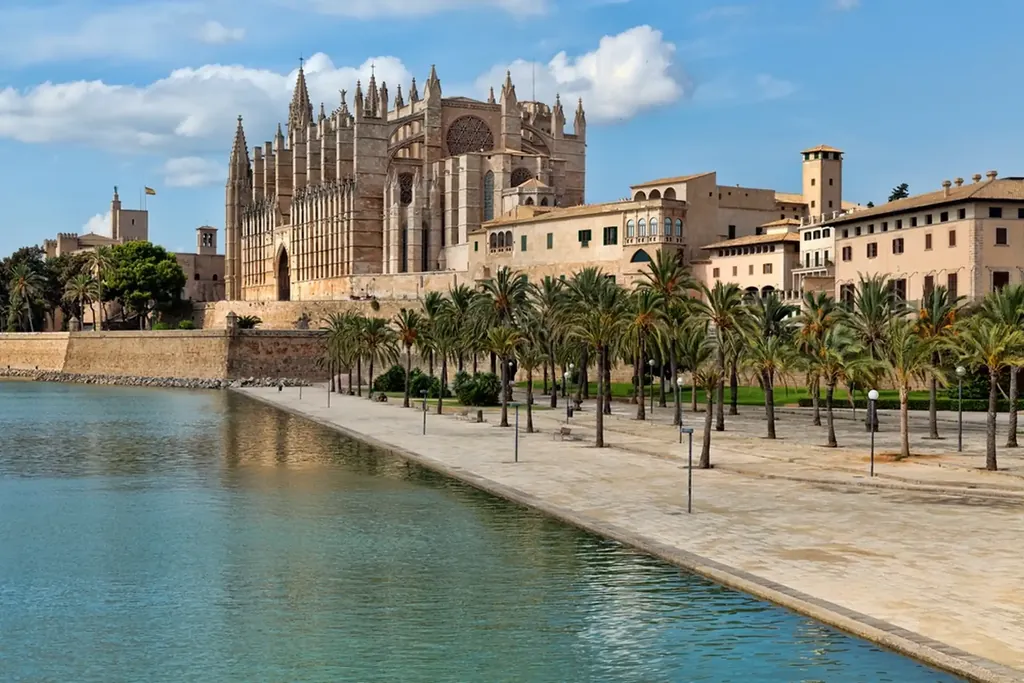
A cathedral city on a wide bay, with courtyards, covered markets and a long seafront path. Palma rewards slow walking and stays awake all year.
20 min from Binissalem
15 min from the airport
Vineyards, stone manor houses and a harvest festival at the foot of the mountains
Drives outside peak traffic. Markets from the official 2026 list; seasonal evening markets on the market days page.
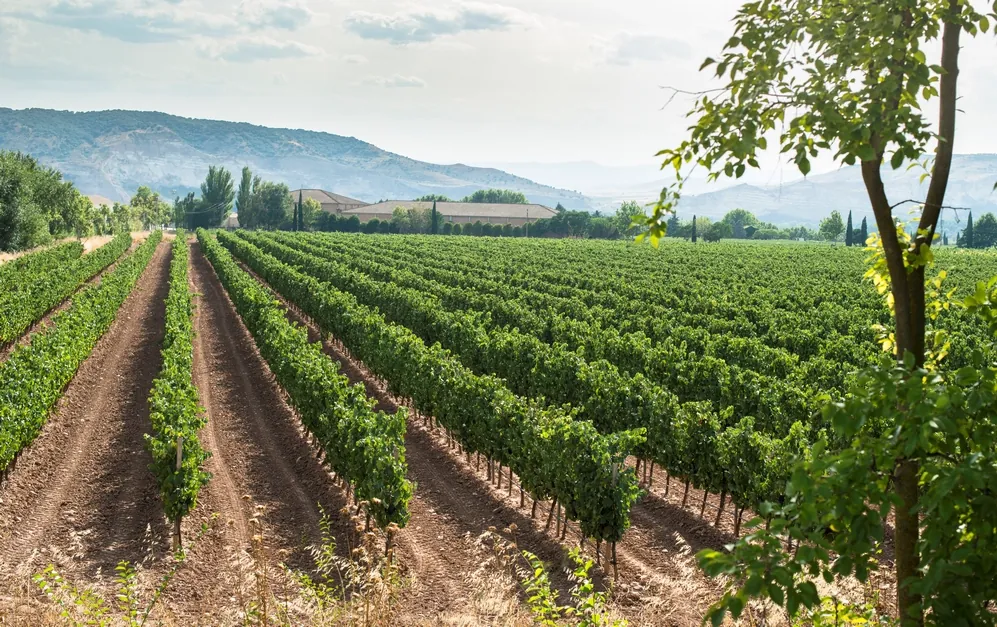
Binissalem is Mallorca's wine town. Vineyards spread across the plain around it, the native red grape Manto Negro gives its wines their character, and the town lends its name to one of the island's two wine denominations. Behind it, the first slopes of the Serra de Tramuntana rise in folds of olive and pine. Only 25 minutes from Palma airport outside peak traffic, it makes an easy half day from the capital or a quiet, practical base for the centre of the island.
Wine has shaped Binissalem for centuries. The town sits on the north-western edge of Es Pla, where the plain begins to lift towards the mountains, and its fields have long been planted with vines alongside almonds, olives and carob. Wine and farming paid for many of its finest buildings, and you can still read that old prosperity in the streets: broad façades of dressed stone, arched doorways wide enough for a cart, and deep inner courtyards.
Today it is a busy, practical town rather than a showpiece, and that is part of its appeal. The centre gathers around the church square, streets of handsome houses fan out from it, and within minutes you are among the vines. Weekdays bring farm traffic and the steady rhythm of a working place; Sunday mornings are quiet and local.
Mallorca has two Denominacions d'Origen for wine: Binissalem, covering this town and a handful of neighbouring municipalities in the centre of the island, and Pla i Llevant, which spreads across the plain and the east. The Binissalem DO is built around Manto Negro, a native red grape that gives soft, fragrant wines, often blended with Callet or with international varieties. Among the whites, the local Moll, also called Prensal Blanc, makes fresh, gently aromatic wines.
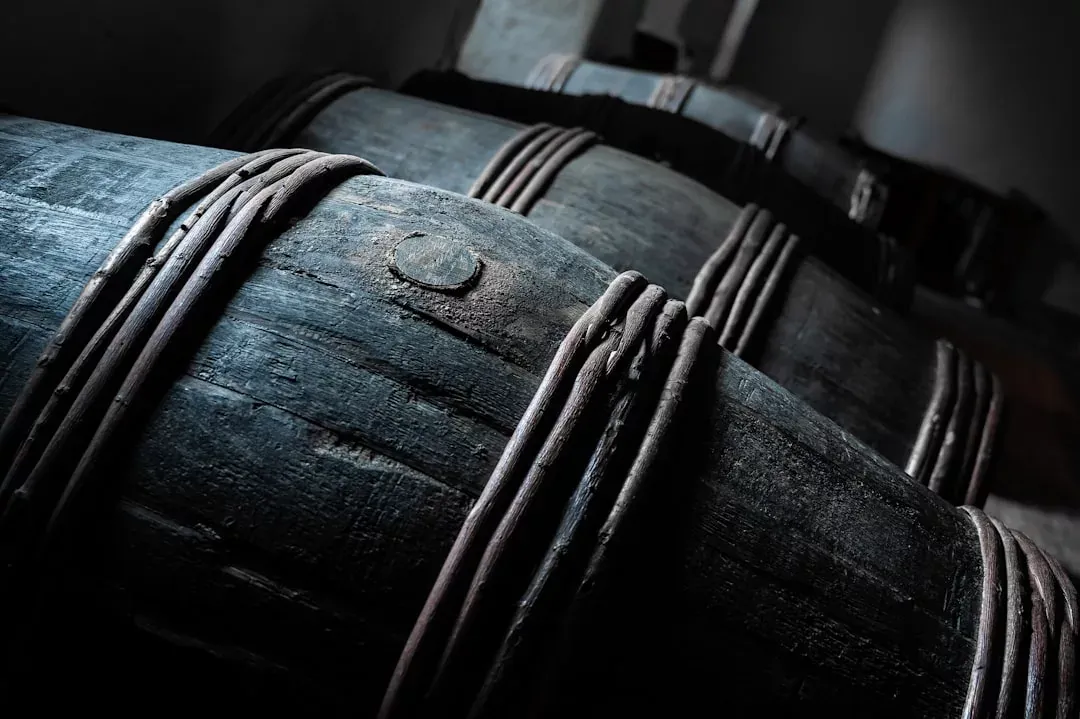
Several cellars in and around the town welcome visitors for tours and tastings, from old family houses with vaulted cellars to modern wineries among the vines. It is wise to arrange a visit in advance, especially at weekends and during the harvest. Our guide to Mallorca's wine regions explains the differences between the two DOs and the island's other wine areas, and how to plan a day among the vineyards.
Walk out from the church square and the town's old wealth becomes clear. The parish church of Santa Maria de Robines, whose tall bell tower is visible from across the plain, anchors the centre, and the surrounding streets hold a fine collection of manor houses in local stone. Look up at the carved window frames and heavy wooden doors, and glance into any courtyard left open.
One of these houses is now the Casa Museu Llorenç Villalonga, a museum and cultural centre devoted to the novelist's life and work. Villalonga wrote Bearn, a portrait of a Mallorcan noble family and the slow end of its world, and one of the essential novels of the island. Walking through a Binissalem manor house of this kind brings the world of the novel close. For the wider literary background, see our guide to artists and writers in Mallorca.
Binissalem's great celebration is the Festa des Vermar, the grape harvest festival, held in late September as the picking comes to an end. Over several days the town turns out for processions, music, folk dancing, food and wine, and the streets fill with visitors from across the island.
The best-known moments are the treading of the grapes and the grape fight, a joyous, sticky battle in the streets that leaves everyone stained purple. Wear clothes you do not mind ruining, leave valuables at home and expect road closures. Our guide to Mallorca's festivals and traditions places the Vermar in the wider calendar of the island's feasts, from Sant Antoni in January to the summer patron saints' days.
Every Friday the town holds its weekly market, a local affair with fruit and vegetables from the surrounding farms, cheese, olives, sausages, plants and household goods. It is a good way to see Binissalem at its most sociable, with neighbours stopping to talk between stalls. The market days tool shows which neighbouring towns trade on other days, including Inca on Thursday and Sineu on Wednesday.
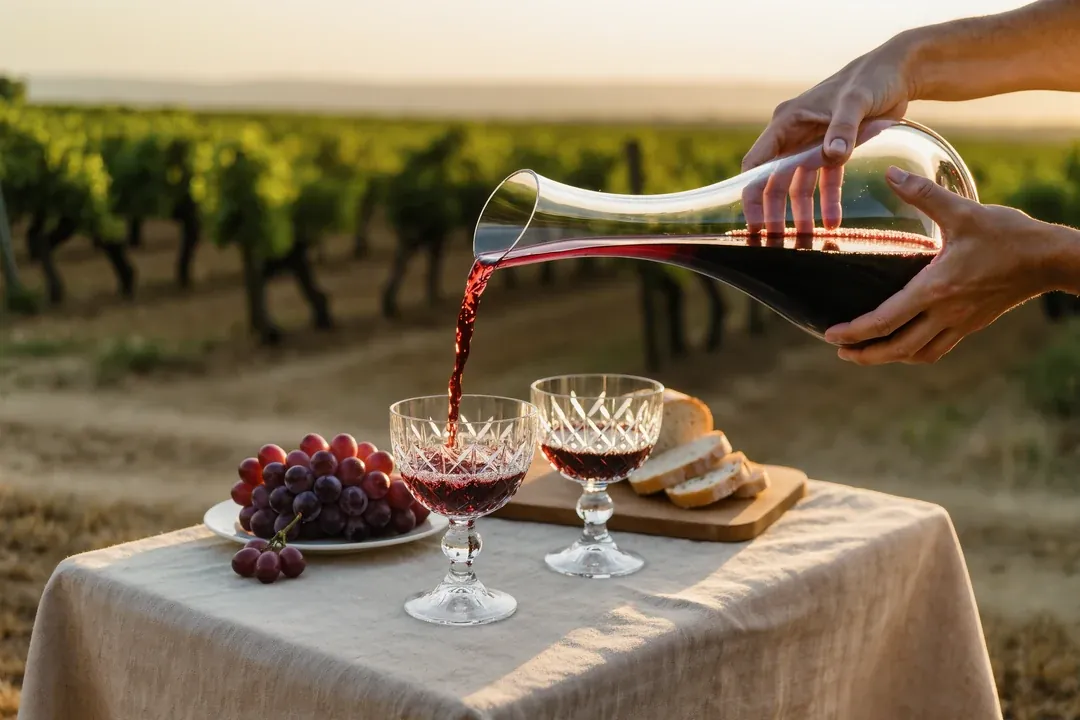
Food here follows the inland, farming tradition: sopes mallorquines, thin slices of bread soaked in a broth of vegetables and cabbage, tumbet in summer, frit mallorquí, roast lamb and suckling pig, with ensaïmades and almond sweets to finish. The soft, fruity local reds are made for exactly this kind of cooking.
Binissalem is about 25 minutes from Palma airport outside peak traffic, just off the motorway to Inca. It is also on the railway: trains from Palma stop here on the line towards Inca, which makes a car-free visit easy and is the obvious choice during the Vermar. Our guide to getting around Mallorca covers the wider network. Parking in the centre is limited on market and festival days.
Behind the town, the foothills of the Serra de Tramuntana lead up to Alaró and its ruined castle on a rocky summit, a classic half-day walk, and to the quieter villages of Lloseta and Biniamar. To the east, across the plain, Sineu holds its centuries-old Wednesday market, an easy pairing for a day of inland towns.
Wine lovers, food-minded travellers and anyone who wants to see working inland Mallorca without driving far from Palma. It suits a half-day visit with a tasting, readers curious about Villalonga, and festival goers in September. As a base, it works for those who want both the mountains and the plain within reach and prefer a real town to a resort.
Late September is the high point, with the harvest ending and the Festa des Vermar filling the streets. Spring brings fresh green vines and mild walking weather in the foothills, and autumn colours the vineyards gold after the picking. July and August are hot on the plain, so plan visits and tastings for the morning. Fridays add the market.
Manto Negro, a native Mallorcan red grape that forms the backbone of the DO Binissalem's red wines. It gives soft, fragrant wines, often blended with Callet or international varieties. The local white grape, Moll or Prensal Blanc, is the other variety to look for on labels from this area.
The grape harvest festival takes place in late September, over several days, as the harvest comes to an end. Dates change from year to year, so check the town's programme before you travel. Expect music, dancing, grape treading and a famously messy grape fight, along with plenty of local wine.
Yes. Binissalem has a station on the railway line from Palma towards Inca, and the journey is short and simple. It is the most relaxed way to visit during the Vermar or for a day of tastings, and the station is within walking distance of the centre. Check the current timetable before you travel.
They are Mallorca's two Denominacions d'Origen. Binissalem covers a compact area in the centre of the island near the foothills of the Serra de Tramuntana, with Manto Negro at its heart. Pla i Llevant is larger, spreading across the plain and the east, and is known especially for Callet alongside other local and international grapes.
A cathedral city on a wide bay, with courtyards, covered markets and a long seafront path. Palma rewards slow walking and stays awake all year.
20 min from Binissalem
15 min from the airport
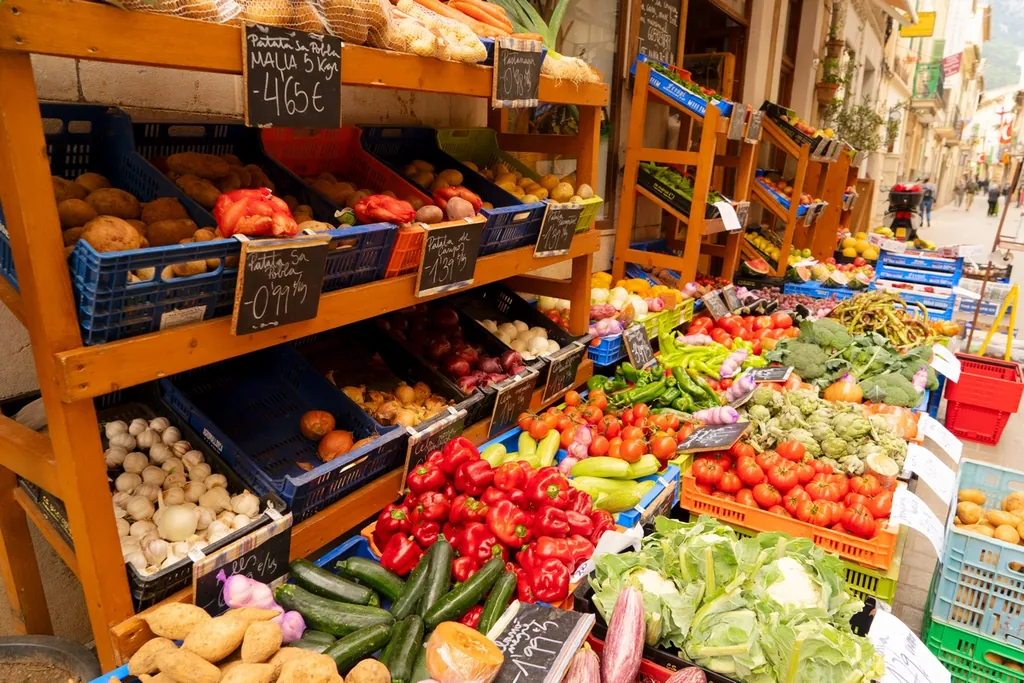
Since the early fourteenth century, Sineu has held a market every Wednesday. Come early for livestock and produce, then stay on for the quiet town and the plains.
20 min from Binissalem
35 min from the airport

A glossy yacht harbour on the Bay of Palma, sociable in summer and quiet in winter, with small coves of pine and pale sand close by.
35 min from Binissalem
20 min from the airport
Choose how long you stay, where you sleep and what you love. The planner suggests a day-by-day route with drive times, market days and the beaches the wind allows. Keep it, print it or send it to yourself.