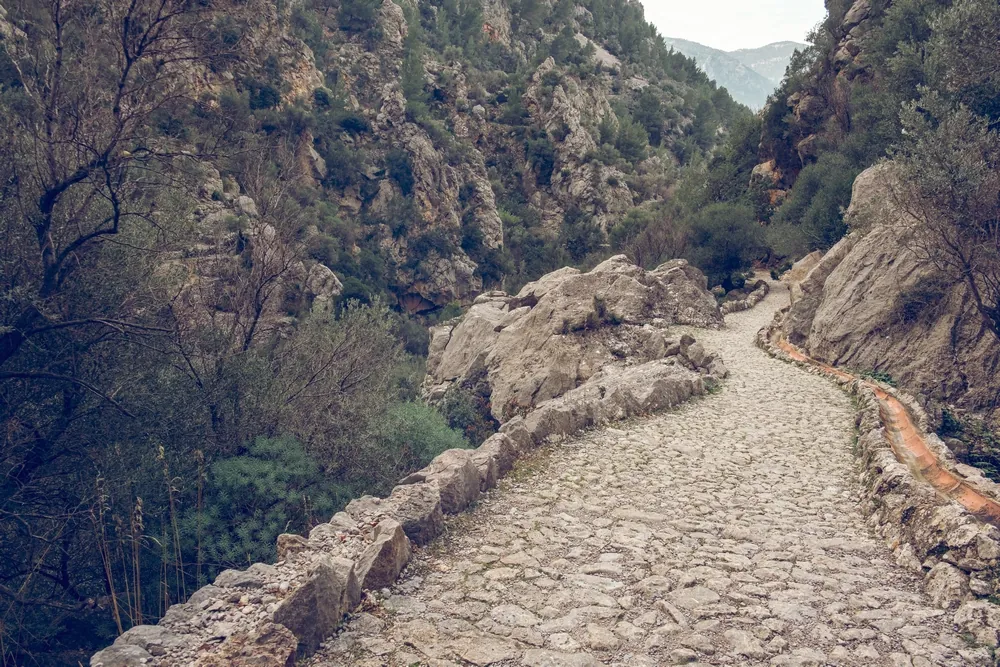
10Tramuntana · Sanctuary
Lluc
The island’s spiritual home, set in holm oak woods high in the Tramuntana, with a boys’ choir, pilgrim paths and the road down to Sa Calobra.
25 min from Pollença
55 min from the airport
A stone town under its Calvari, and a sheltered bay a few kilometres away
Drives outside peak traffic. Markets from the official 2026 list; seasonal evening markets on the market days page.
Pollença is two places sharing a name. The old town sits inland, a few kilometres from the sea, its honey-coloured houses folded between the Puig de Maria and the hill of El Calvari. The port lies on a wide, sheltered bay, with a promenade, a marina and a shallow beach that suits families and swimmers who dislike surf. Between them they make one of the most balanced bases in the north: history and Sunday mornings in one, water and evening light in the other.
Pollença was built inland as protection against raids from the sea, and the reason still shows in its layout: narrow streets running uphill, heavy wooden doors, hardly a gap between the houses. The centre is Plaça Major, where the parish church of Nostra Senyora dels Àngels looks over café terraces. On Sunday mornings the square and the streets around it fill with the weekly market, and the town feels like a county seat rather than a resort.
Pollença also has a long cultural streak. Painters settled here and at the port in the early twentieth century, and every summer the cloister of the former Dominican convent of Sant Domingo hosts a classical music festival, one of the oldest on the island. Agatha Christie passed through in the 1930s and set a short story, Problem at Pollensa Bay, on the waterfront below, spelling the name the old way.
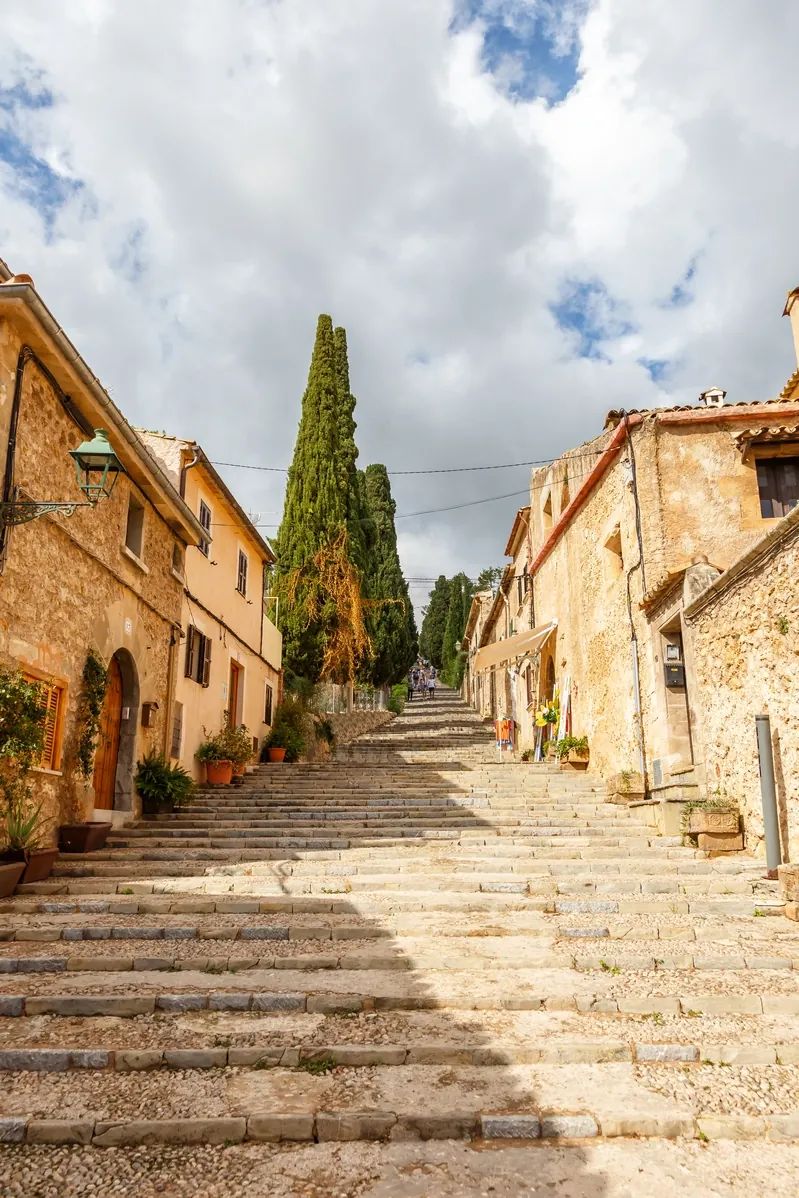
The town's signature is the stairway of El Calvari: 365 stone steps, lined with cypresses, climbing from the edge of the centre to a small chapel at the top. Go early or towards sunset and look back from the top over the roofs towards the bay and the Formentor peninsula. On Good Friday, after dark, a solemn procession carries a figure of Christ down the steps by torchlight.
On the northern edge of town the old stone Pont Romà crosses the Torrent de Sant Jordi. It is called the Roman bridge, though its present form may well be later; either way it is a quiet, pleasing spot. The Puig de Maria, the hill south of town with a sanctuary on its summit, makes a steep walk for a wider view.
The big date is 2 August, the feast of the Mare de Déu dels Àngels, when the town fights the battle of Moros i Cristians: a sixteenth-century pirate raid, re-enacted through the streets by hundreds of costumed townspeople with noise, gunpowder and dust. It is exuberant and very crowded. The guide to Mallorca's festivals and traditions sets it in context.
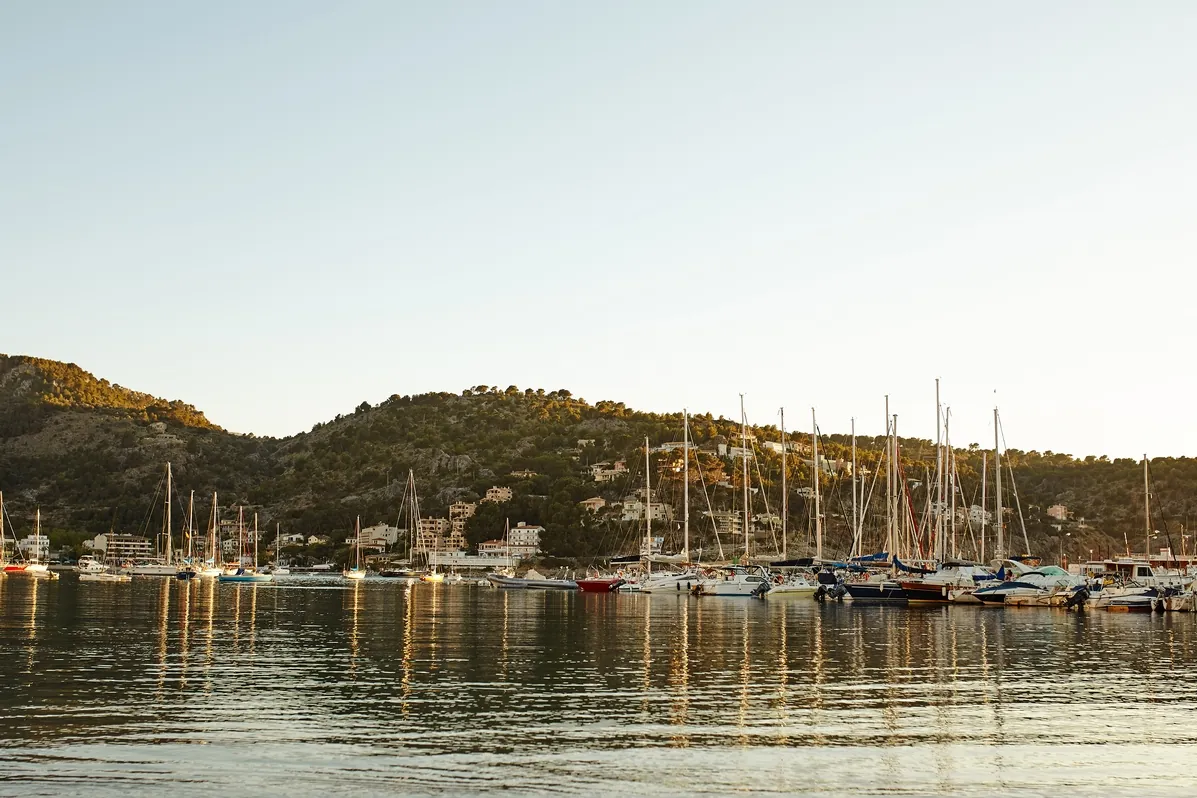
Port de Pollença grew from a fishing harbour into a quiet, rather British resort. The beach is long, narrow and shallow, sheltered by the arms of the bay. To the north the Pine Walk, a seafront path between old villas and the water, runs under pines past small jetties, with views across to Formentor. Walk it in the evening, when the hills behind the bay turn dark and the water goes silver.
The bay suits gentle water sports and sailing in the morning calm; an afternoon breeze often freshens it later. Cala Sant Vicenç, a short drive north of the old town, has a different mood: a handful of small coves with clear water under the jagged ridge of the Cavall Bernat. For more beaches nearby, see the guide to north coast beaches.
The best short walk is the Boquer valley. It starts at the edge of Port de Pollença and follows a broad track past an old farmhouse, through a gap in the rocks and down a quiet valley to the pebbly cove of Cala Boquer. Allow an hour or so each way. In spring and autumn the valley is well known to birdwatchers for migrants, and feral goats graze among the rocks all year.
The Sunday market in Pollença spreads around Plaça Major and the nearby streets: fruit and vegetables from the valley, cheeses, sobrassada, olives, honey and baskets. Arrive early to see it at its most local. Port de Pollença has its own market on Wednesday, and Alcúdia, a short drive away, holds markets on Tuesday and Sunday; the market days tool lines them all up by weekday.
Eating here follows the island pattern: pa amb oli at lunchtime, frit mallorquí and tumbet in the inland town, grilled fish and rice dishes by the water. In summer, look in the bakeries for coca de trempó, a thin flatbread topped with chopped green pepper, tomato and onion, and on Sunday morning for ensaïmades.

Pollença is about 50 minutes from Palma airport by motorway and main road, outside peak traffic. The old town's streets are narrow and partly one-way, so leave the car in one of the signed car parks on the edge and walk in, particularly on Sunday, when the market takes over the centre. In Port de Pollença the spaces along the front fill quickly in July and August, so arrive early.
Buses link the town and the port with Palma and with Alcúdia, and in summer a bus serves Formentor when the road is closed to private cars. Check the current timetable.
Pollença is the natural gateway to Cap de Formentor, whose road starts at the port and climbs straight to the Mirador des Colomer. Alcúdia, with its walls and Roman ruins, is a short drive round the bay. Inland, the Ma-10 climbs into the Serra de Tramuntana towards the monastery of Lluc, one of the great mountain drives on the island.
Travellers who want a base with two moods: an inland town of stone streets, churches and Sunday rituals, and a calm bay for swimming, sailing and evening walks. Families like the shallow water at the port, walkers use it for the Boquer valley and the Tramuntana, and cyclists for Formentor. Less suited to anyone after nightlife or long surf beaches.
May, June, September and early October are the sweetest months: warm sea, everything open, room on the steps. July and August are hot and busy, and the Pine Walk is at its best before breakfast or in the evening. Climb El Calvari early or at dusk, never at midday. In winter the old town stays lived-in, though much of the port closes.
It depends on the holiday. The old town suits people who like stone streets, the Sunday market and evenings on the square, and who do not mind driving to the beach. The port suits families and swimmers who want the sea outside the door. The two are only a few minutes apart by car or bus.
There are 365 steps, one for each day of the year, rising from near the centre to a small chapel at the top. The climb is steady rather than difficult, and most people manage it comfortably with a pause or two. The view from the top takes in the roofs, the bay and the Formentor peninsula.
On 2 August, during the festivities of the town's patron, the Mare de Déu dels Àngels. Hundreds of townspeople in costume re-enact the defence of the town against a sixteenth-century pirate raid. It is loud, dusty and very crowded, so arrive early, wear old clothes and keep children close.
Yes. The Formentor road starts at the port. In summer, when private cars are restricted on the last stretch at busy times, buses run along the peninsula, and boats cross the bay to Platja de Formentor. Fit cyclists ride the road too, best outside the hottest months. Check the current rules and timetables before you go.
The island’s spiritual home, set in holm oak woods high in the Tramuntana, with a boys’ choir, pilgrim paths and the road down to Sa Calobra.
25 min from Pollença
55 min from the airport
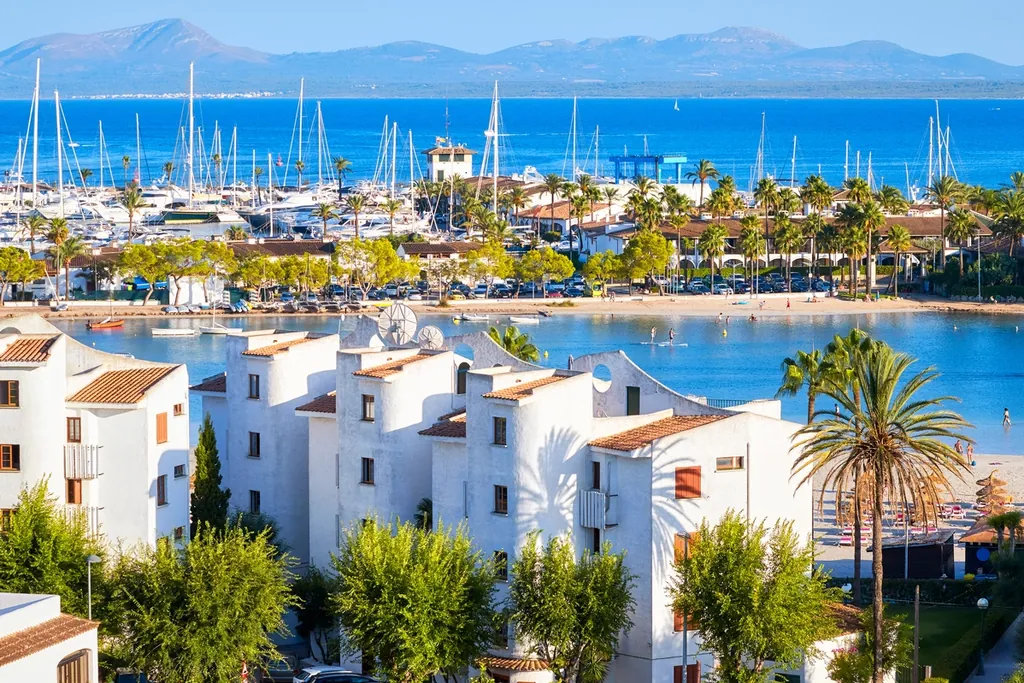
Walk Alcúdia's medieval walls and the streets of Roman Pollentia, watch herons at S'Albufera, then wade out into the long, shallow bay.
25 min from Pollença
45 min from the airport
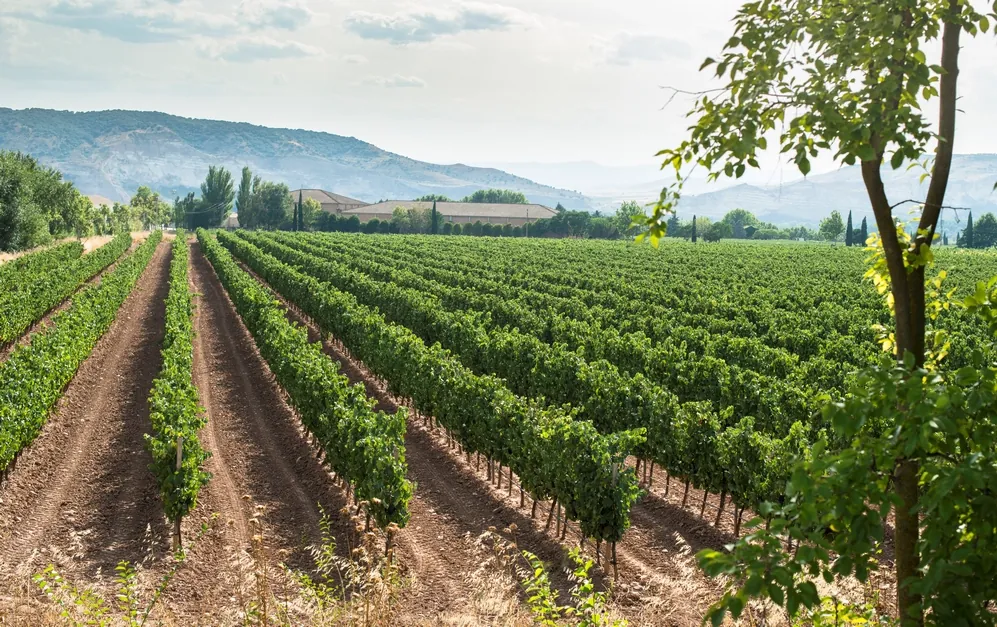
Home of one of Mallorca's two wine denominations, Binissalem pairs Manto Negro reds with stone manor houses, a Friday market and a lively harvest festival.
35 min from Pollença
25 min from the airport
Choose how long you stay, where you sleep and what you love. The planner suggests a day-by-day route with drive times, market days and the beaches the wind allows. Keep it, print it or send it to yourself.