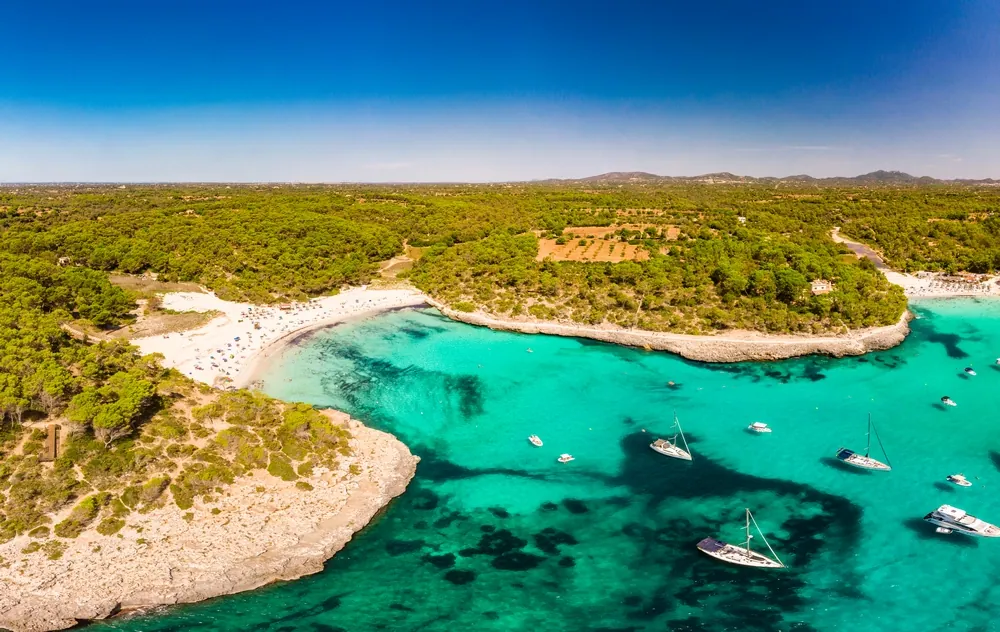
16South · Town
Santanyí
A market town built from its own golden stone, with a great church, quiet galleries and the coves of the south-east coast a few minutes' drive away.
10 min from Cala Figuera
45 min from the airport
A fjord-like inlet where the fishing boats still come home to the quay

Drives outside peak traffic. Markets from the official 2026 list; seasonal evening markets on the market days page.
Cala Figuera is a harbour first and a holiday place second. A narrow inlet runs inland from the sea and divides into two arms, its banks lined with pines and its waterline with boathouses cut straight into the rock. Fishing boats still tie up at the small quay, nets are laid out to be checked and mended, and in the evening, when the day visitors have gone, the water turns still and green. It belongs to the municipality of Santanyí, ten minutes inland.
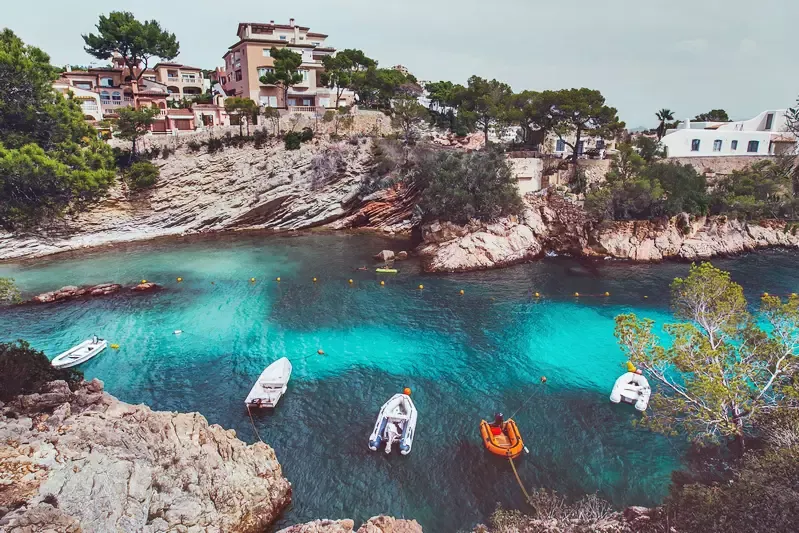
Seen from above, Cala Figuera looks almost Nordic: a slim tongue of sea pushing inland between steep, pine-covered banks, then splitting into two arms like a forked branch. The shape gives shelter, and shelter is the reason the harbour exists. Boats have waited out bad weather here for generations while the open coast outside took the swell, and the settlement grew on the slopes above the water rather than around a beach.
There is no sand to speak of, no promenade and no grand square. Instead, white and stone houses climb the hillsides, small terraces look down on the moorings, and the life of the place still turns on the water. It is a quieter, more intimate south than the busy coves nearby, and it rewards an unhurried visit far more than a quick photograph from the top of the lane.
The harbour takes its character from its boats. Llaüts, the traditional wooden working boats of the Balearics, rest at their moorings or sit hauled up on slipways, their hulls painted in clean blocks of white, blue and green. Along the water's edge, boathouses known as escars have been cut into the rock, each with a wide door and a ramp running down into the sea.
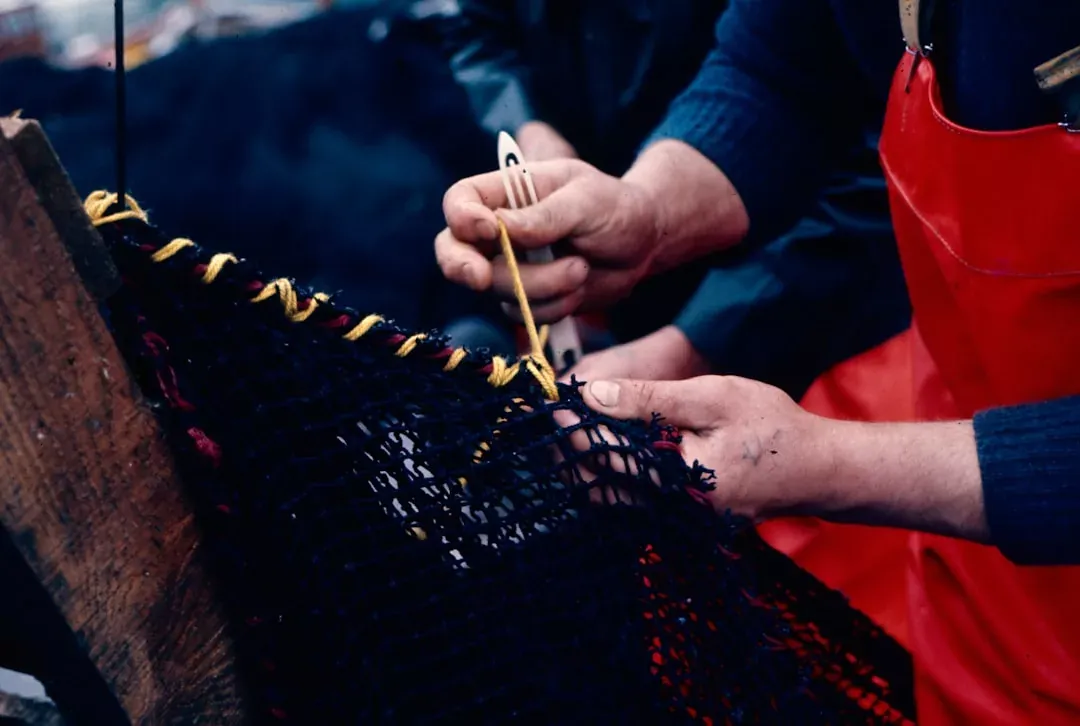
Fishermen still work from the small quay, and at quieter times of day you may see nets spread out to be checked and mended by hand, a slow, patient craft that has changed little. This is a working space, not a stage: keep clear of ropes, nets and gear, ask before photographing anyone at close range, and never sit or climb on the boats.
Lanes and paths follow both sides of the inlet, so you can walk from one arm to the other in an easy stroll, pausing wherever the view opens. Steps lead down to the water at several points, and from the higher ground towards the mouth the whole harbour lies below you, the two arms folding back into the land. On a breezy day the rocks at the entrance are a fine place to watch the sea come in.
Evening is the best time. Once the day visitors leave, the harbour returns to its residents and the few people staying nearby, the light slides down the slopes, and the water often lies flat enough to hold reflections of the boats. Early morning has the same stillness, with the bonus of watching the harbour wake up and the first boats head out.
Cala Figuera has no real beach, though people do swim off the rocks near the mouth on calm days. For sand, drive the short distance to Cala Santanyí, a deeper bay with a beach at its head and clear water over a pale sandy floor. Just to the south, the great natural arch of Es Pontàs rises alone out of the sea, a slab of rock pierced right through, best seen from the clifftop above or from the water.
Further south lie Cala Llombards and the coves around Caló des Moro, described in our guide to the best calas of Mallorca. This stretch of coast faces the open sea to the east and south-east, so a strong Llevant or Xaloc sends swell into the coves and the harbour mouth; on those days the wind beach finder points you to a calmer shore. Sailors will find notes on visiting by boat in our guide to anchorages around Mallorca.
The harbour has a handful of places to eat, most of them looking over the water, and the natural thing to order is fish: the catch of the day grilled simply, or a rice dish cooked with seafood. A table by the water in the early evening is the simplest pleasure Cala Figuera offers. For the island dishes worth knowing, from frit mallorquí to tumbet, see our guide to Mallorcan cuisine.
For picnic supplies and local produce, go inland to Santanyí on a Wednesday or Saturday morning, when the market fills the streets around the main square. Look for local cheese, olives, sobrassada, almonds and the small hanging tomatoes used for pa amb oli, along with seasonal fruit from the farms of the south.
Cala Figuera is about 50 minutes from Palma airport outside peak traffic, by way of Llucmajor, Campos and Santanyí. The lanes down to the harbour are narrow and steep, and parking near the water is very limited: leave the car in the upper part of the village and walk down, which takes a few minutes and is far less stressful in summer. The return is uphill, so wear sensible shoes.
Combine the harbour with a morning in Santanyí and its honey-stone streets. The beaches of the Mondragó natural park are a short drive up the coast, and to the west lie Ses Salines, the lighthouse at Cap de ses Salines and the village of Colònia de Sant Jordi, where boats leave for the islands of Cabrera.
Photographers, walkers and anyone who prefers a working harbour to a resort. It suits couples and slow travellers who enjoy an evening by the water, and sailors looking for character on the south-east coast. Families wanting sand will be better served at Cala Santanyí or Mondragó, both close by, and visitors with limited mobility should note the steep lanes.
Spring and autumn are ideal, when the light is soft and the lanes are calm. In July and August, come early in the morning or in the early evening, as the middle of the day brings heavy traffic and very little parking. Winter is hushed and many places close, but the harbour itself is at its most peaceful on a clear, still day.
Not really. The inlet is a harbour edged by rock, quays and boathouses, though some people swim off the rocks near the mouth when the sea is calm. The nearest sandy beach is Cala Santanyí, a few minutes away by car, and the beaches of the Mondragó natural park are a short drive up the coast.
Parking down by the harbour is very limited and the lanes are steep and narrow. It is easier to park in the upper part of the village and walk down to the water, a short walk with an uphill return. In high summer, arriving early in the morning or in the evening makes this much simpler.
No. The name appears more than once on the island: there is a cove called Cala Figuera on the Formentor peninsula in the north, and a cape of the same name with a lighthouse in the southwest. This page is about the fishing harbour on the south-east coast, in the municipality of Santanyí.
Early morning and evening show the harbour at its best in any season, with still water and few people. Spring and autumn combine mild weather with quiet lanes. In July and August the middle of the day is busy and parking is hard, so plan a swim elsewhere and come back later.
A market town built from its own golden stone, with a great church, quiet galleries and the coves of the south-east coast a few minutes' drive away.
10 min from Cala Figuera
45 min from the airport
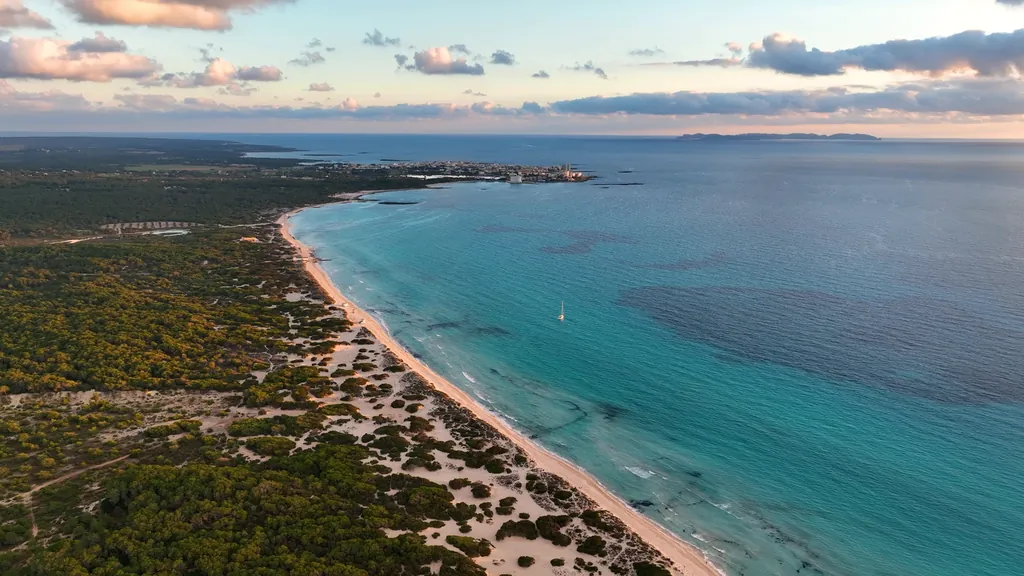
A low-key village on the south coast, with the dunes of Es Trenc nearby, salt flats inland and boats leaving its harbour for the islands of Cabrera.
30 min from Cala Figuera
45 min from the airport
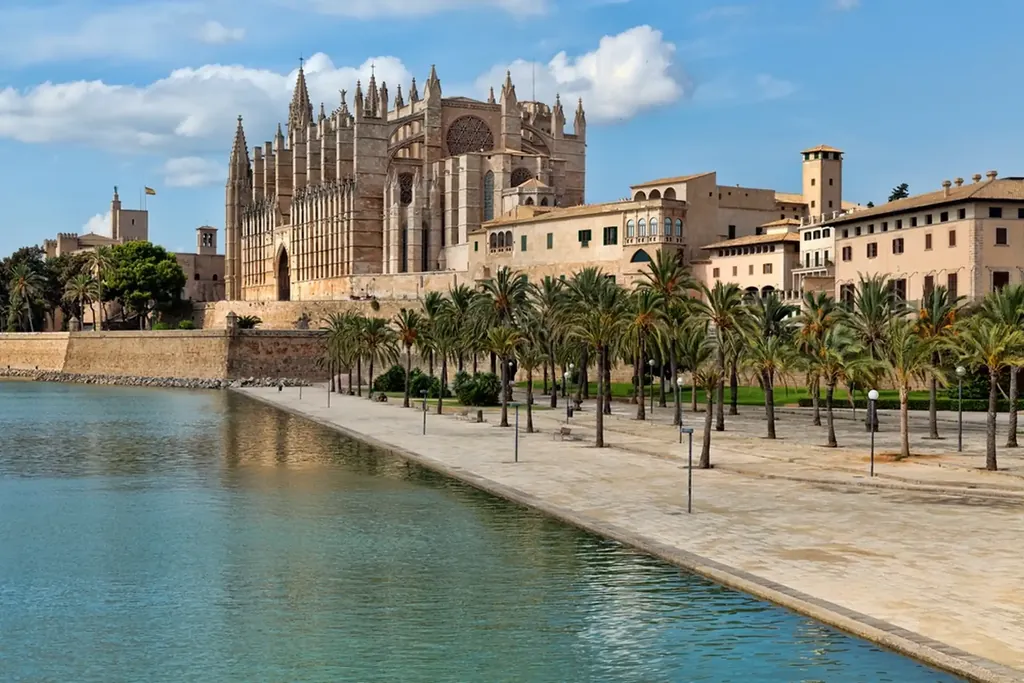
A cathedral city on a wide bay, with courtyards, covered markets and a long seafront path. Palma rewards slow walking and stays awake all year.
60 min from Cala Figuera
15 min from the airport

Choose how long you stay, where you sleep and what you love. The planner suggests a day-by-day route with drive times, market days and the beaches the wind allows. Keep it, print it or send it to yourself.