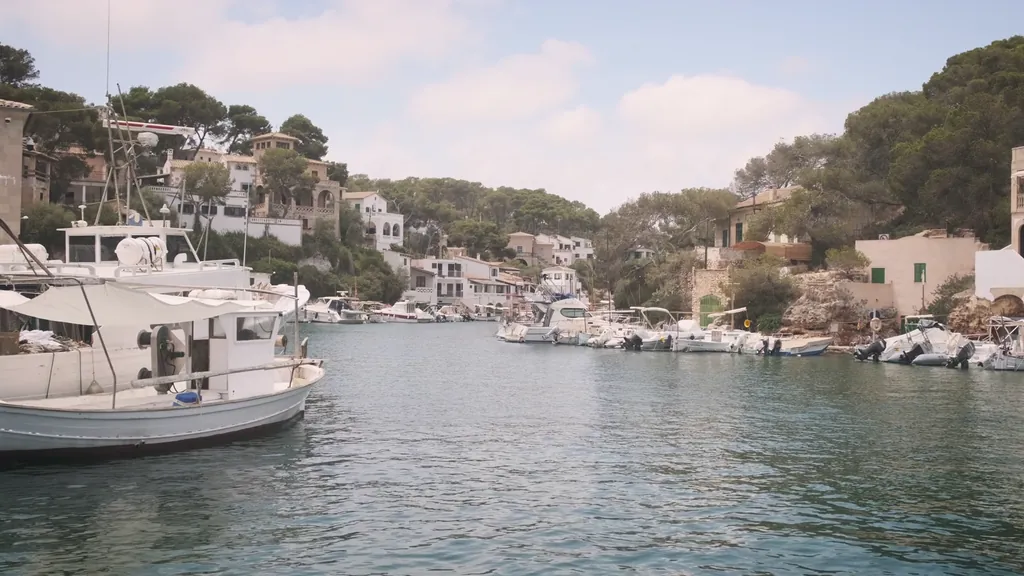
17South · Fishing harbour
Cala Figuera
Two narrow arms of sea, boathouses cut into the rock and nets mended on the quay: a working harbour that is at its best in the quiet of evening.
10 min from Santanyí
50 min from the airport
A town of golden stone, two weekly markets and the southern coves on its doorstep
Drives outside peak traffic. Markets from the official 2026 list; seasonal evening markets on the market days page.
Santanyí is built from itself. The pale golden sandstone quarried around the town, known simply as pedra de Santanyí, gives its houses, church and garden walls the same warm colour, which deepens to honey in the late afternoon. It is a working market town of the south rather than a resort, with a handsome square, a scattering of galleries and a small, settled community of residents from across Europe. The coves of the south-east coast lie a short drive away to the east and south.
The stone is the story here. Quarries outside the town have supplied a fine-grained, honey-coloured sandstone for centuries, valued by masons for its even texture and the clean edge it takes when carved. It was carried to churches, manor houses and doorways across Mallorca, and once you know the colour you start to notice it far from the south.
In Santanyí itself it is everywhere: in the façades of town houses with their wooden shutters, in courtyard walls, in the steps worn smooth outside the church. The town grew as the agricultural centre for the farmland of the south, and it was walled against the corsair raids that troubled this coast for generations. Only fragments of those defences survive, but the old core still feels turned inward, a tight weave of shaded streets around one central square.
Everything begins in the Plaça Major, where the parish church of Sant Andreu fills one side of the square. It is a big, sober building of golden stone, largely of the eighteenth century, and inside is a celebrated organ by the Mallorcan builder Jordi Bosch, which came to Santanyí from a convent in Palma. Beside it stands the older Roser chapel, a Gothic remnant of the first church, plainer and more intimate.
A few minutes away is Sa Porta Murada, the one surviving gate of the old walls, a solid arch in the same warm stone. The streets in between reward slow wandering: carved lintels, small chapels, courtyards glimpsed through open doors. Santanyí also has an unusual number of art galleries for a town of its size, many showing contemporary work, and browsing between them fills a quiet hour on a hot afternoon.
Santanyí holds its market on Wednesday and Saturday, and on both days the stalls spread from the Plaça Major into the surrounding streets. Expect fruit and vegetables from the farms of the south, cheese, olives, sobrassada, almonds, baskets and linen, alongside clothing and crafts. Both days draw residents from across the south-east as well as visitors, so the town fills early.
Arrive soon after the stalls open, buy what looks freshest, then sit in the square with a coffee and an ensaïmada while the crowd builds around you. Our guide to Mallorca's markets explains what to look for, and the market days tool shows which towns are trading on any weekday if you want to pair Santanyí with another.
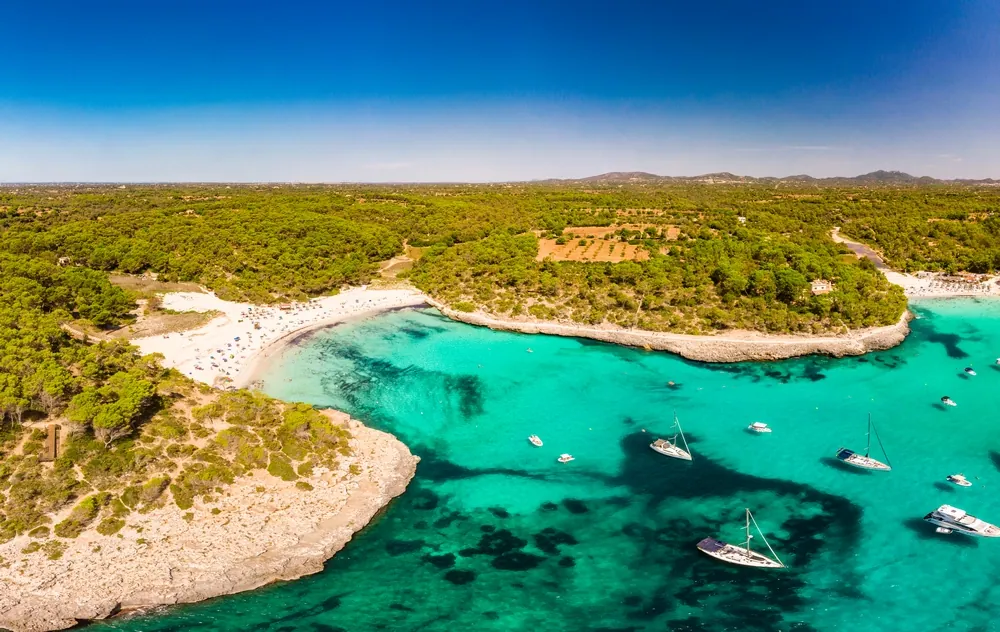
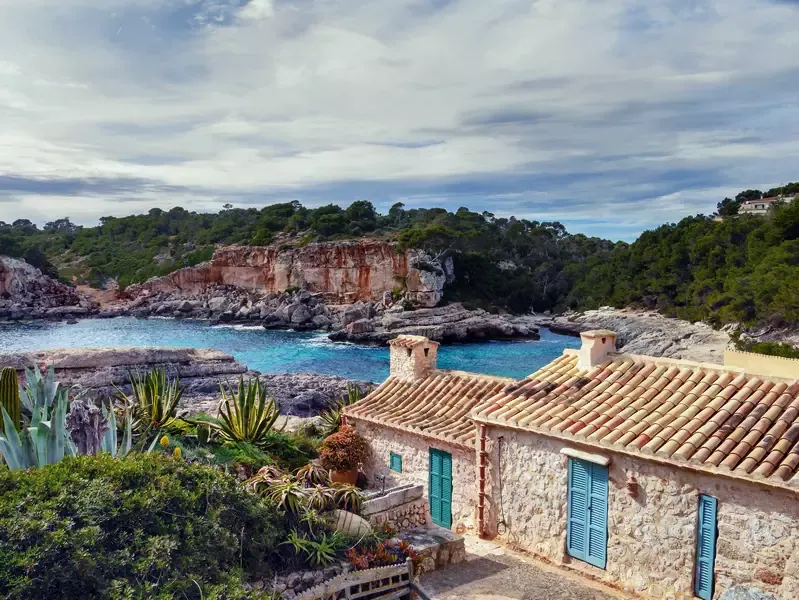
The coast south and east of the town is cut into a run of narrow inlets, each with its own temperament. Most are small, many have limited parking, and in July and August they fill by mid-morning. Our guide to the best calas of Mallorca covers the wider picture; these are the ones closest to Santanyí.
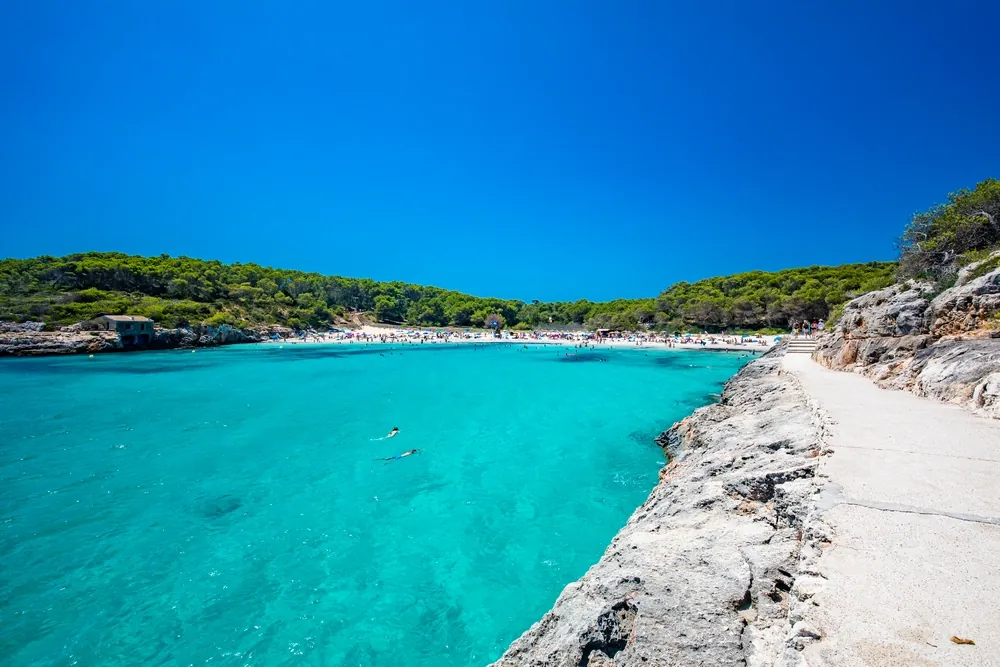
To the east, the Mondragó natural park protects a stretch of coast with two linked beaches, S'Amarador and Ses Fonts de n'Alis, together with pine woods, dunes and old farmland where carob and almond trees grow inside dry-stone walls. It is one of the gentler corners of the south: shallow water, a path along the low cliffs, and room to breathe even in summer if you walk a little.
Footpaths connect the beaches with the headlands, and in spring the park is full of wild flowers and birdsong. These coves face the open sea, so a strong Llevant or Xaloc from the east and south-east can make them choppy; on such days the wind beach finder shows which coast is sheltered.
Santanyí is about 45 minutes from Palma airport outside peak traffic, by way of Llucmajor and Campos. Parking in the centre is tight, especially on market days, so use the car parks on the edge of town and walk in, which takes only a few minutes. Buses link the town with Palma and the nearby coast, with thinner services outside summer, so check the current timetable.
The town makes an easy base for the south. Cala Figuera, the fishing harbour, is ten minutes away; Colònia de Sant Jordi and the dunes of Es Trenc lie to the west; the Cap de ses Salines lighthouse, at the southern tip of the island, is a short drive beyond Ses Salines. Along the way, villages such as Es Llombards, Calonge and S'Alqueria Blanca share the same golden stone and an unhurried pace.
Travellers who want a real town as a base rather than a resort, with coves close enough for an early swim and a market to wander afterwards. It suits walkers, gallery browsers, families looking for shallow water at Mondragó and second-home owners exploring the south. Night owls will find it quiet: evenings here revolve around the square and little else.
May, June, September and October are the best months, with a warm sea, lighter traffic and coves you can actually reach. In high summer, visit the coves at first light and keep the middle of the day for the shaded streets of the town. Market mornings are lively but parking is hard after mid-morning. Winter is calm and mild, with almond blossom in the fields from late January.
It is the golden sandstone quarried around the town, used for centuries by Mallorcan masons for façades, doorways, churches and garden walls. Its even grain and warm colour make it easy to recognise, and it is the reason Santanyí seems to glow when the sun is low in the late afternoon.
Santanyí has two weekly markets, on Wednesday and Saturday, both held in and around the Plaça Major. They sell fresh produce, local cheese and sausages, crafts and clothing. Arrive early for the best choice and easier parking, and check locally around public holidays in case of changes.
Cala Santanyí, the closest beach, is a few minutes' drive. Cala Llombards, Cala s'Almunia, Caló des Moro and the beaches of the Mondragó natural park are all roughly a quarter of an hour away or less. Es Trenc lies further west, near Colònia de Sant Jordi.
It is possible but limiting. Buses connect Santanyí with Palma and some nearby coves, with fuller services in summer, so check the current timetable. To explore the coves, the Mondragó park and the villages of the south at your own pace, a car or a bicycle makes all the difference.
Two narrow arms of sea, boathouses cut into the rock and nets mended on the quay: a working harbour that is at its best in the quiet of evening.
10 min from Santanyí
50 min from the airport
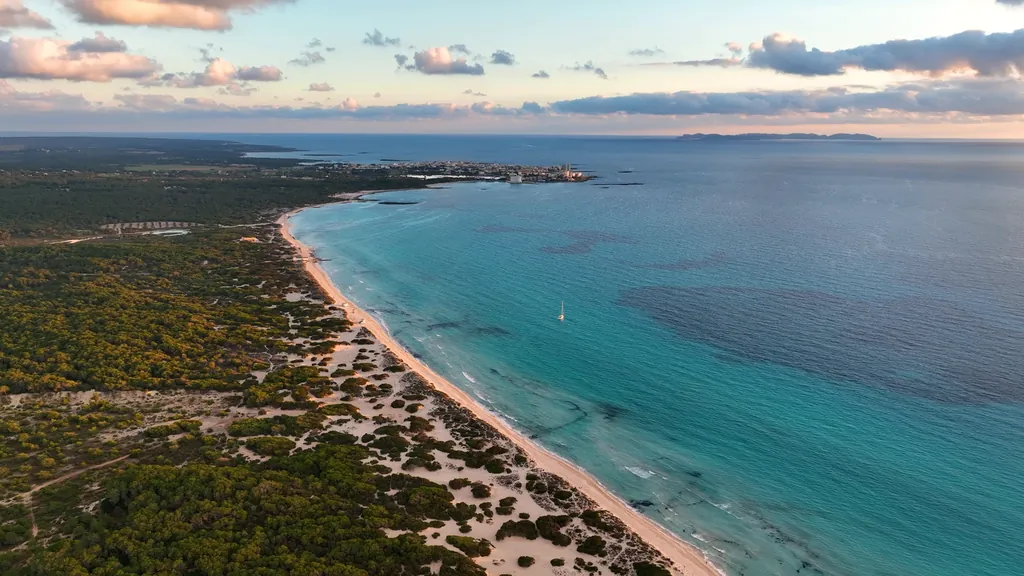
A low-key village on the south coast, with the dunes of Es Trenc nearby, salt flats inland and boats leaving its harbour for the islands of Cabrera.
20 min from Santanyí
45 min from the airport
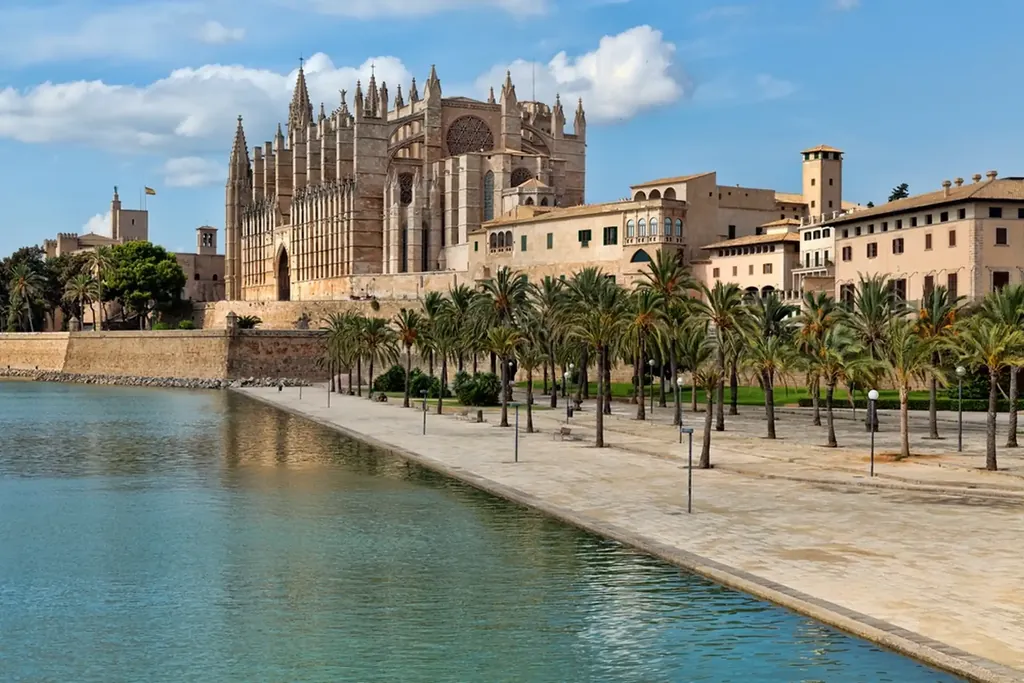
A cathedral city on a wide bay, with courtyards, covered markets and a long seafront path. Palma rewards slow walking and stays awake all year.
50 min from Santanyí
15 min from the airport
Choose how long you stay, where you sleep and what you love. The planner suggests a day-by-day route with drive times, market days and the beaches the wind allows. Keep it, print it or send it to yourself.