11North · Town and bay
Pollença
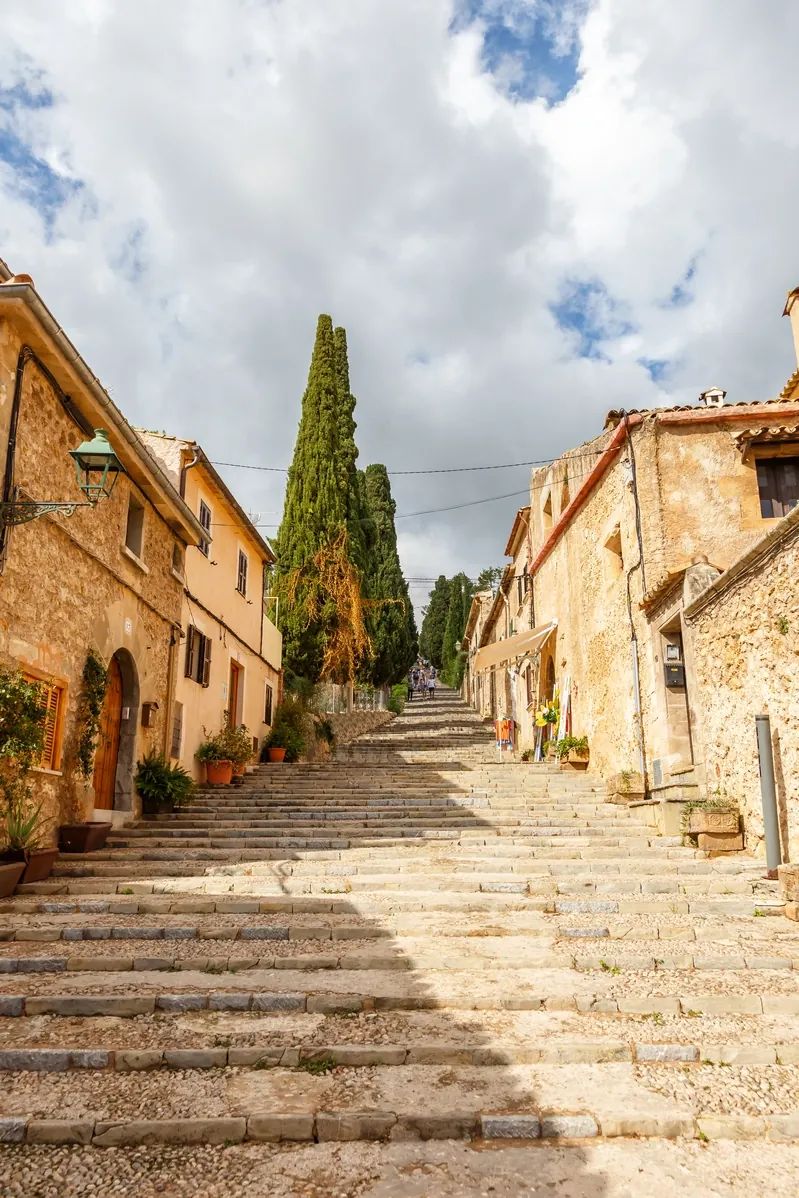
Pollença climbs 365 steps to its Calvari chapel; Port de Pollença spreads along a calm, shallow bay. Two halves of the north's most rounded base.
45 min from Formentor
50 min from the airport
A high ridge of rock and pine running out to sea, with a lighthouse at its tip
Drives outside peak traffic. Markets from the official 2026 list; seasonal evening markets on the market days page.
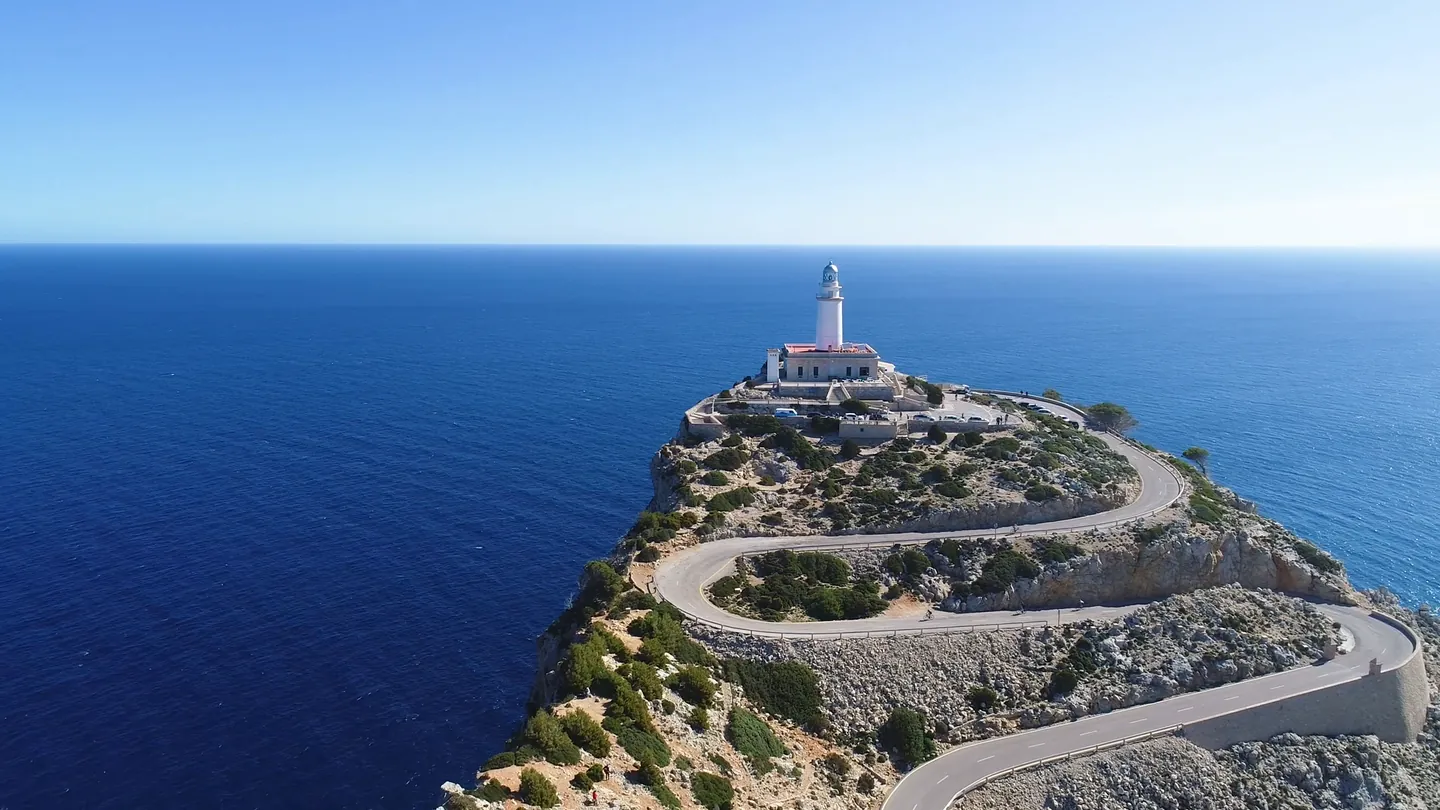
Cap de Formentor is the last word of the Serra de Tramuntana: a thin, high peninsula that runs north-east from Port de Pollença into open sea. One road follows its spine, cut into the cliffs in the last century, past viewpoints, pine woods and coves, to a lighthouse on a sheer headland. It is a place for early starts and simple pleasures: a swim, a picnic in the shade, wind on the cliff edge, and the sun coming up out of the sea.
Formentor is where the Serra de Tramuntana finally meets the sea. The peninsula is narrow, steep-sided and mostly wild, covered in Aleppo pine, wild olive and low scrub, with goats picking their way along the verges. Its northern side drops in cliffs straight into deep water; its southern side is gentler, with a few sandy and pebbly bays that face the Bay of Pollença.
The road that opened it up was laid out by the engineer Antonio Parietti, who also designed the hairpins down to Sa Calobra. It is narrow, winding and, in summer, busy. Treat it as a scenic drive rather than a route from one place to another, take the bends slowly, and give cyclists and buses plenty of room.
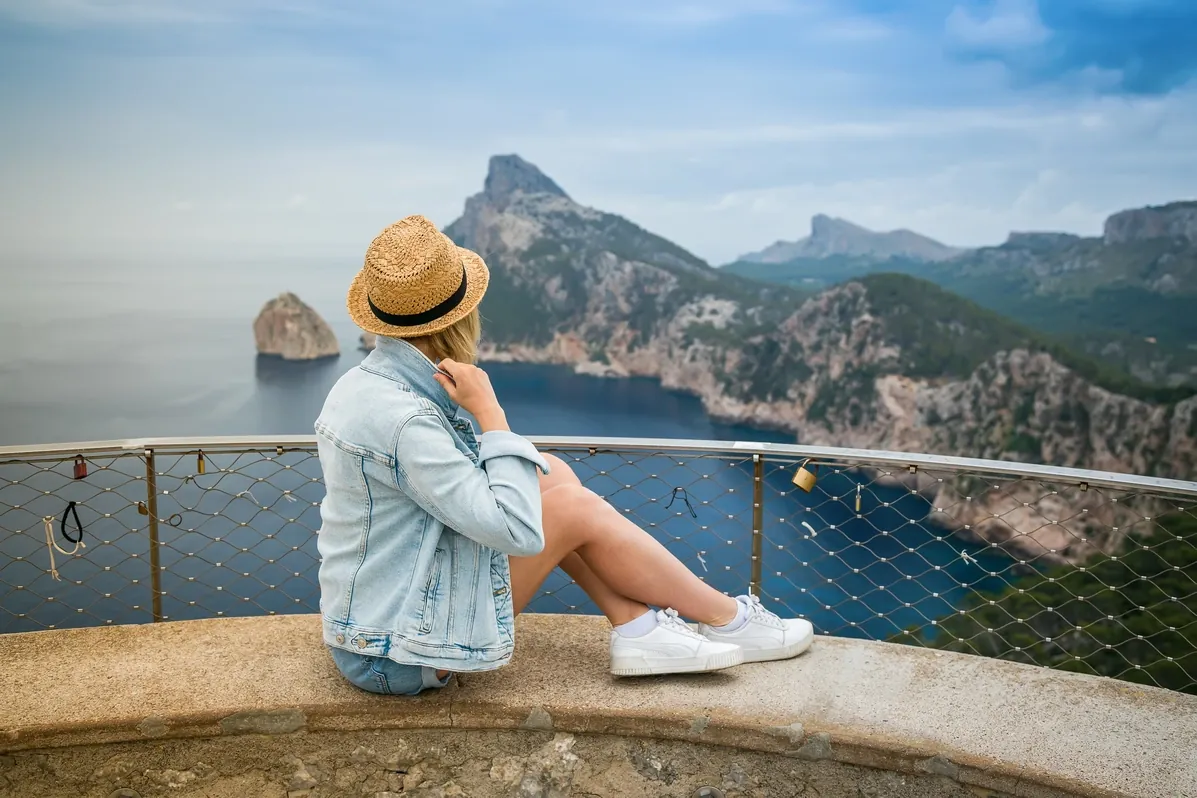
The first great stop is the Mirador des Colomer, a short drive up from the port. Steps lead out along a rocky spur to terraces above a sheer drop, with the islet of Es Colomer below and the coast running north in a wall of cliffs. Come early in the morning, before the coaches; by late morning in summer the car park is full and the terraces crowded.
Opposite the viewpoint a steep, narrow side road climbs to the Talaia d'Albercutx, an old coastal watchtower on a summit above both bays. The view from the top is the widest on the peninsula: the Bay of Pollença and the Bay of Alcúdia, the Tramuntana behind, the length of Formentor ahead. The climb is better done on foot or by bike than by car, and it is a fine place to watch the light change late in the day.
Halfway along, the road drops to Platja de Formentor, a long strip of fine sand fringed by pines that look straight across the Bay of Pollença. It is sheltered from the Tramuntana and usually calm, with clear water over sand and meadows of Posidonia seagrass further out. In summer it gets busy; boats also cross the bay from Port de Pollença. Swim and anchor with the seagrass in mind: the guide to Posidonia and beach etiquette explains why it matters.
Further on, a path through pines leads to Cala Murta, a quiet pebbly cove, and a little beyond, another path drops from the road to Cala Figuera de Formentor, a small cove of stones and very clear water on the north side. Both are simple places with no services. Cala Figuera faces the open sea, so it is calm only when the wind is light or from the south; on a Tramuntana day the swell rolls straight in. The wind and beach finder shows which side of the island is sheltered on any given day.
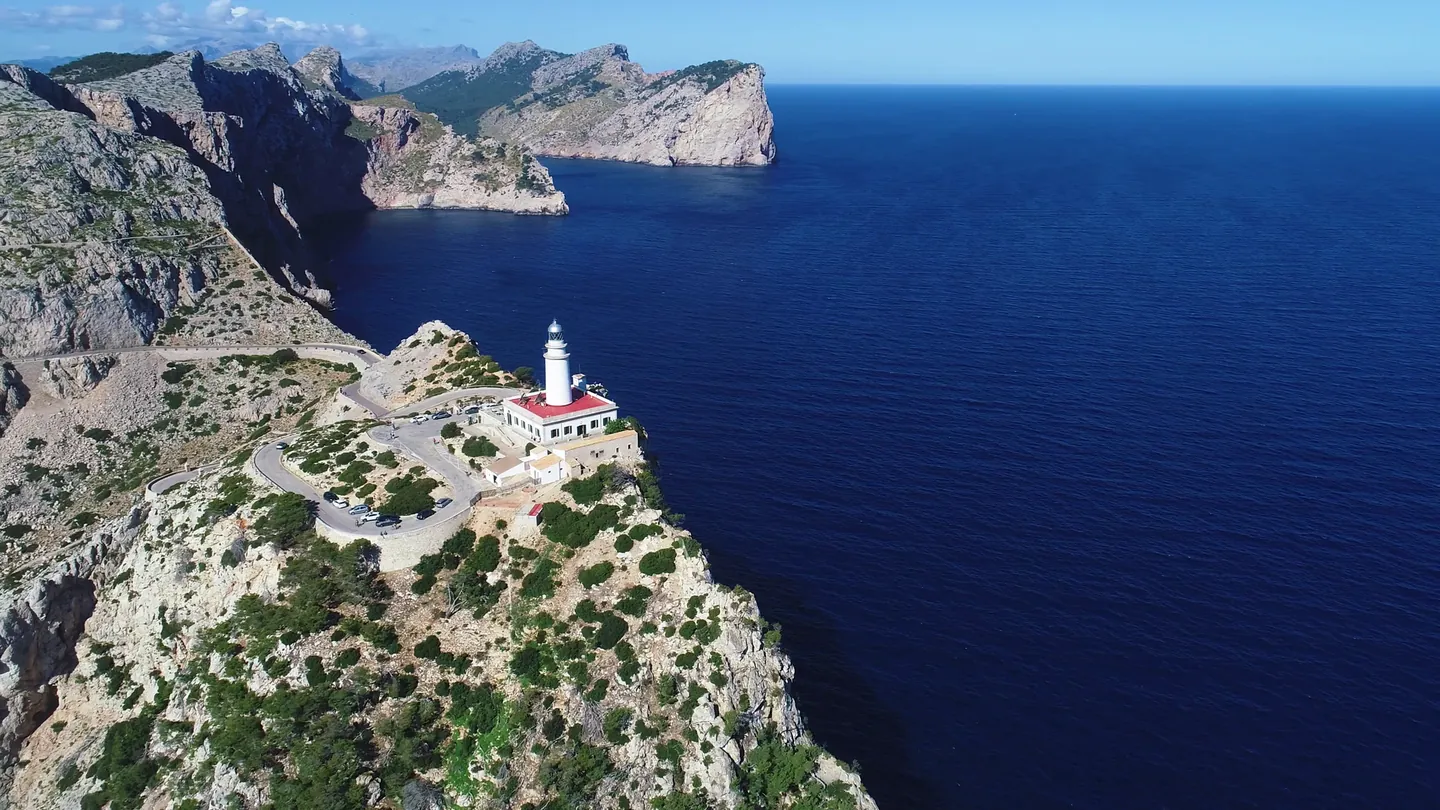
The road ends at the Far de Formentor, a nineteenth-century lighthouse on the edge of cliffs that fall sheer into the sea. Beyond the tunnel through the mountain the views open on both sides, and the last kilometres feel like driving along the top of a wall. This is one of the finest places on the island to watch the sun rise: arrive in the half-dark, find a sheltered spot on the rocks and watch the light come up over open water. For the other end of the day, the sunset spots tool shows where the sun sets into the sea elsewhere on the island.
At busy times in summer, the last stretch of road towards the lighthouse is closed to private cars, and a bus runs from Port de Pollença instead. The dates and hours are set year by year, so check the current rules before setting out. Early risers, cyclists and walkers are the ones who see the cape at its quietest.
There is very little on the peninsula in the way of shops, so bring water, food and sun protection. Bread, olives, cheese, tomatoes for pa amb oli and fruit from the market in Port de Pollença (Wednesday) or Pollença (Sunday) make the ideal lunch under the pines.
Formentor is a classic ride for road cyclists, best in spring and autumn when traffic is light and the heat bearable. The climb from the port to the Mirador des Colomer is steady, and the rest rolls up and down to the lighthouse. Ride early, use lights in the tunnel and expect strong gusts on the exposed sections. More routes are in the cycling guide.
From Palma airport, allow about 75 minutes to the lighthouse outside peak traffic, by the motorway towards Alcúdia and the road to Port de Pollença. The car parks at the Mirador, the beach and the lighthouse are small and fill early.
Formentor pairs naturally with Pollença: dawn on the cape, the Calvari steps in the morning, the Pine Walk in the evening. Cala Sant Vicenç, just to the west, has small coves under the jagged Cavall Bernat ridge. Across the bay, Alcúdia shows the peninsula from the other side: from the paths of the Victoria peninsula you look straight back at the cliffs of Formentor.
Early risers, photographers, walkers and road cyclists, and anyone who prefers landscape to amenities. Families do well at Platja de Formentor on a calm day. It suits a half day or a long morning rather than a stay, and it rewards people willing to plan around the summer road rules rather than turning up at noon in August.
Spring and autumn are ideal: a quieter road, soft light and comfortable heat. In summer go at dawn or late in the day and check the rules for private cars on the last stretch. Avoid strong Tramuntana days if you want to swim on the north side, and very windy days for cycling. Clear winter mornings can be superb and almost empty.
Usually, yes, but not always. At busy times in summer the last stretch of road towards the lighthouse is closed to private cars, and a bus runs from Port de Pollença instead. The dates and hours are set each year, so check the current rules. Outside summer you can normally drive all the way, with care on the narrow bends.
Yes, on most days. The beach faces into the sheltered Bay of Pollença, so it stays calm when the Tramuntana blows from the north. The water is shallow near the shore over sand, with seagrass further out. It gets busy in high summer, so arrive early or come by boat from Port de Pollença.
The rocks around the lighthouse at the end of the road give an open view east over the sea. The Mirador des Colomer, closer to the port, is a good alternative. Check before you go that the road is open to cars at that hour, and bring a warm layer, as dawn on the cape is often windy.
Allow at least half a day to drive out, stop at the Mirador des Colomer, swim at Platja de Formentor and reach the lighthouse. Cyclists riding from Port de Pollença should plan on a full morning there and back with stops. Walkers climbing to the Talaia d'Albercutx will need extra time on top.
Pollença climbs 365 steps to its Calvari chapel; Port de Pollença spreads along a calm, shallow bay. Two halves of the north's most rounded base.
45 min from Formentor
50 min from the airport
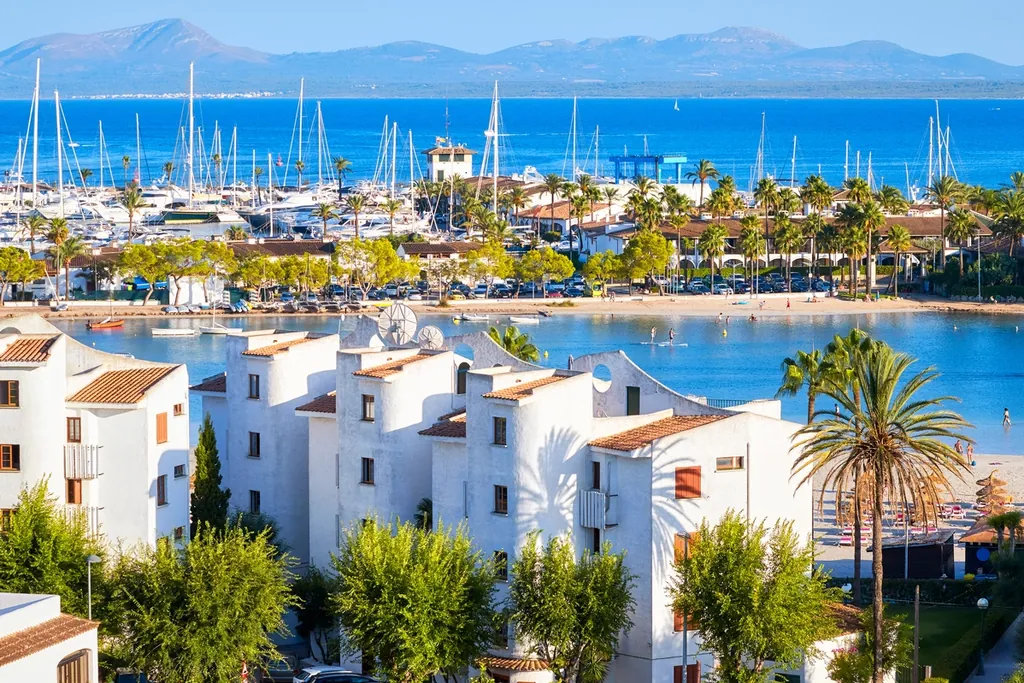
Walk Alcúdia's medieval walls and the streets of Roman Pollentia, watch herons at S'Albufera, then wade out into the long, shallow bay.
50 min from Formentor
45 min from the airport
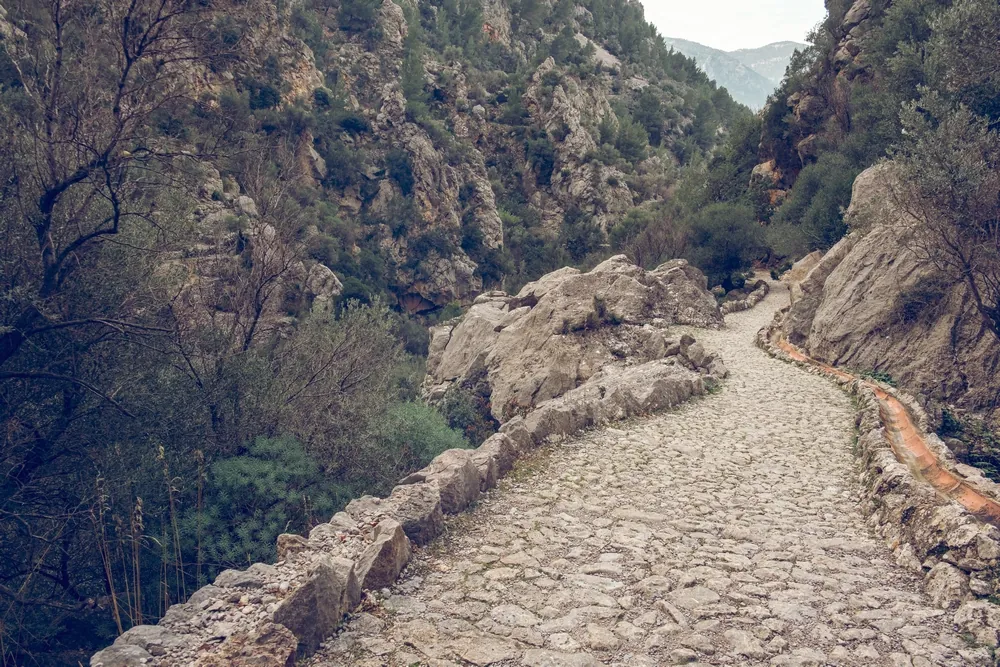
The island’s spiritual home, set in holm oak woods high in the Tramuntana, with a boys’ choir, pilgrim paths and the road down to Sa Calobra.
70 min from Formentor
55 min from the airport

Choose how long you stay, where you sleep and what you love. The planner suggests a day-by-day route with drive times, market days and the beaches the wind allows. Keep it, print it or send it to yourself.