Cycling Mallorca
Every spring the roads of Mallorca fill with cyclists, from professional teams in matching kit to retired couples on touring bikes. The reasons are simple. The island packs serious mountain climbs, well-surfaced roads and empty farm lanes into a space you can cross by car in little more than an hour, and from late winter onwards the weather is far kinder than in most of northern Europe. Here is how to ride it well.
Why riders come in spring and autumn
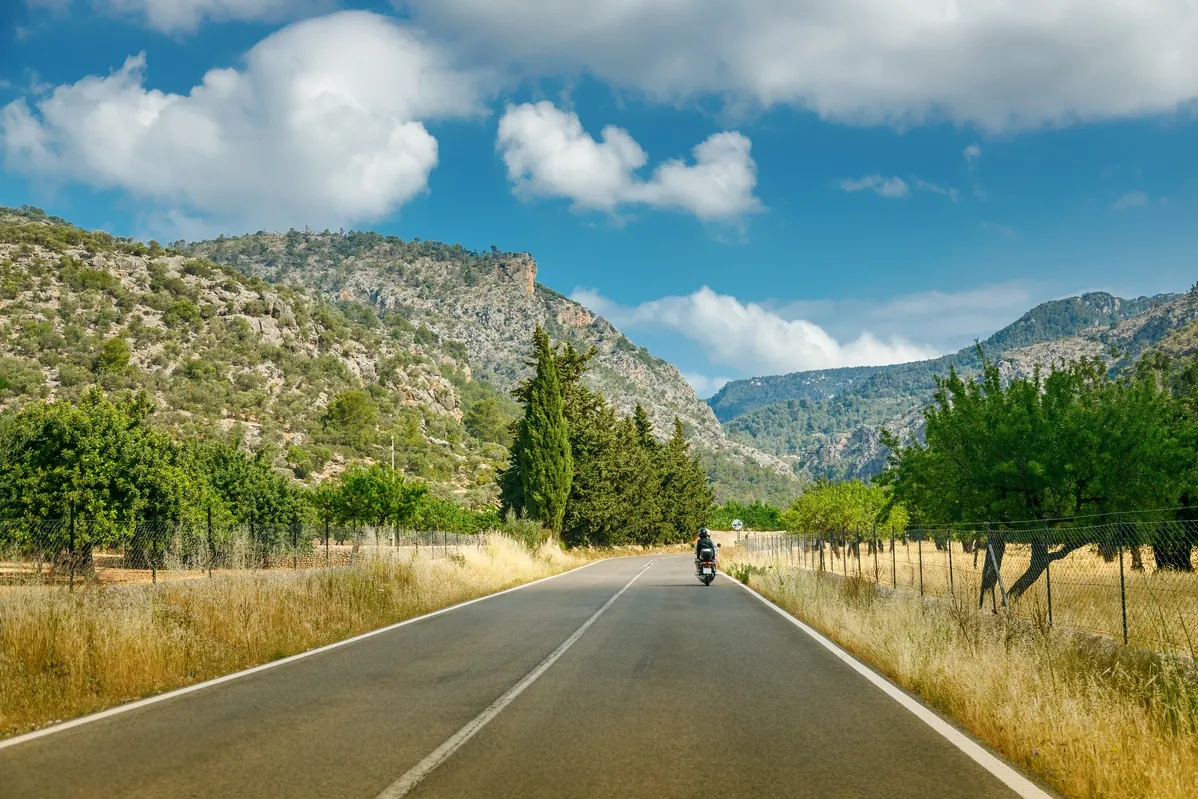
The cycling season runs roughly from February to May and again from late September to November. In those months the temperatures suit long days in the saddle, the mountain roads are free of summer coaches, and many hotels in the main bases cater for riders with bike storage and early breakfasts. Professional teams have long used the island for their winter training camps, and the amateurs followed.
Winter riding is possible on many days, but the Tramuntana can bring cold, wet spells and strong north winds, and the high roads occasionally see ice. Late spring is the sweet spot for most visitors: long light, warm afternoons and a countryside still green after the winter rain. The month-by-month planner helps you weigh temperature against crowds.
The classic climbs
Every rider who comes to Mallorca ends up with a list. These are the roads that appear on it most often.
- Sa Calobra: a narrow road that drops in tight hairpins from the Ma-10 to a cove on the north-west coast. Its signature is the Nus de sa Corbata, the tie knot, where the road loops round and passes under itself. It is a dead end, so the climb back up is compulsory.
- Puig Major: the long ascent of the Ma-10 from Sóller to the tunnel below the island's highest mountain, with views back over the Sóller valley and the sea. It is the summit of the mountain road and the high point of most riders' week.
- Cap de Formentor: a rolling, exposed road from Port de Pollença to the lighthouse at the tip of the peninsula, with short climbs, sheer cliffs and the sea on both sides.
- Puig de Randa: a short, steady climb in the middle of the island past two sanctuaries to a third, Cura, on the summit, with a view over the whole plain.
- The Orient valley: the road from Bunyola over the Coll d'Honor to the hamlet of Orient and on towards Alaró, quiet and green, through holm oak woods and olive groves.
- The Coll de Sóller: the old road over the pass, with its long sequence of hairpins, which riders take instead of the road tunnel.
Es Pla and the quiet roads
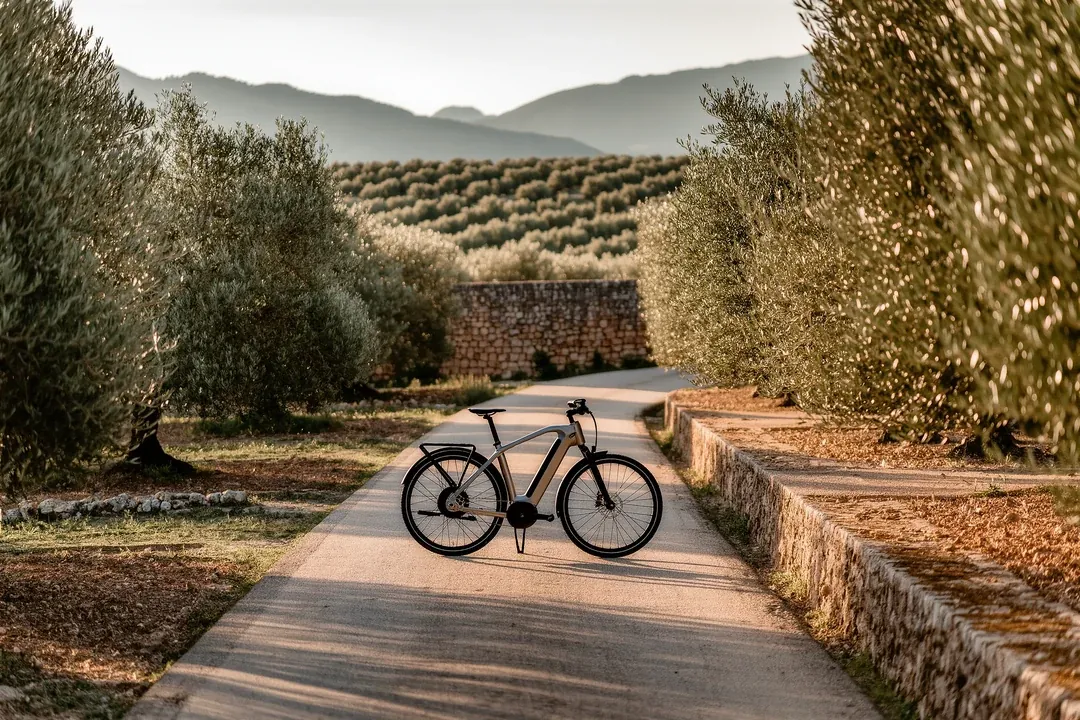
Not every good ride involves a mountain. The central plain, Es Pla, is laced with narrow lanes between dry-stone walls, almond and carob trees and old windmills, linking market towns such as Sineu, Petra, Sant Joan, Llubí and Montuïri. The gradients are gentle, traffic is light away from the main roads, and most villages have a square with a café for the mid-ride coffee.
These roads suit recovery days, mixed groups and anyone who wants to cover distance without the climbing. They also show a side of Mallorca few visitors see: farm gates, sheep grazing under olive trees, church towers on the horizon. Wind is the main challenge, since the plain offers little shelter. Ride into it on the way out and let it carry you home.
The Mallorca 312
The best-known amateur event on the island is the Mallorca 312, a sportive held each spring and named after the length of its longest route in kilometres. It takes in the Serra de Tramuntana and a large part of the island, with shorter distances for riders who want the day without the full mileage. Thousands of cyclists take part, and the north of the island is busy for days around it.
If you plan to ride it, enter early and train for the climbing as much as the distance. If you are not riding it, check the date before you book a cycling holiday: on the day itself, parts of the route are closed or controlled for traffic, and quiet roads are anything but.
Road rules and etiquette
Spanish law requires drivers to leave at least 1.5 metres when they overtake a cyclist, and most drivers on the island are used to riders. Cyclists may ride two abreast, but should drop into single file on narrow roads, on blind bends and whenever traffic builds up behind. Helmets are compulsory on roads outside built-up areas, and lights are needed at night and in poor visibility.
Etiquette matters as much as the law. Large groups should split into smaller bunches so that cars can overtake one at a time. Wave a thank you, stop in safe places rather than on bends, and carry your gel wrappers home. In villages, slow down, give way to pedestrians and remember that you are riding through someone's home.
Heat, wind and safety
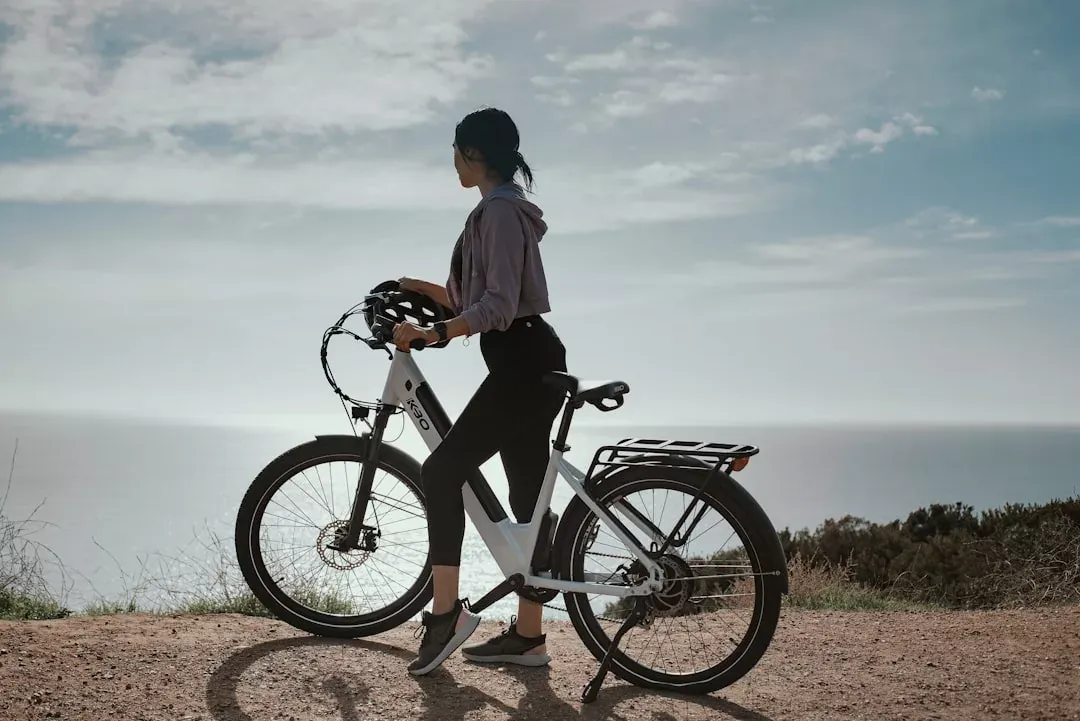
From June to September the heat changes everything. By late morning the mountain roads radiate warmth, and the long climbs up the Ma-10 or out of Sa Calobra have little shade. Ride at first light, finish by midday and carry more water than you think you need. Village fountains are not always reliable, so plan refills at cafés and petrol stations.
Descents deserve respect. The mountain roads are well surfaced but narrow, often with a low wall or a drop on one side, gravel on the corners and oncoming vehicles cutting across. Wind is a hazard on exposed stretches such as Formentor, where a gust can push a rider sideways. Check the forecast, carry a spare tube and a phone, and make sure someone knows your route. Plan the big days around the weather rather than the calendar, and keep one easy day in reserve. The guide to Mallorca's winds and weather explains which winds to watch.
Where to base yourself
Choose your base by the riding you want rather than by the beach. Good road bikes can be hired in all the main bases, but in spring the best are booked well ahead, so reserve early and bring your own pedals and saddle if you are particular. Choosing a base in Mallorca covers the wider trade-offs between areas. For riders, they compare like this:
- Pollença and its port: close to Formentor, with the climb to Lluc and the road on to Sa Calobra within reach. The classic choice for riders who love mountains.
- Alcúdia: flatter roads around the bay and the wetlands of s'Albufera, easy access to the north and the plain, and plenty of accommodation geared to riders.
- Palma: the seafront cycle path, the Coll de Sóller and the Orient valley within a morning's ride, and a city to enjoy in the evening.
- The south: quieter, flatter roads around Santanyí, Ses Salines and Campos, good for long, steady rides early in the season.
Key points
- Spring and autumn are the cycling seasons; in summer, long mountain rides become a dawn-only affair.
- Sa Calobra, Puig Major, Formentor, Puig de Randa and the Orient valley are the classic rides.
- Spanish law requires drivers to leave cyclists at least 1.5 metres when overtaking.
- Ride single file on narrow roads and bends, split large groups and carry your litter home.
- Base yourself in Pollença or Alcúdia for the mountains, Palma for variety, or the south for quiet roads.
Questions
When is the best time to cycle in Mallorca?
Spring, from about February to May, and autumn, from late September to November, offer the best balance of mild temperatures, long enough days and quieter mountain roads. Winter can be pleasant but is less reliable. July and August are hot enough that most riders only go out at first light.
How hard is the climb out of Sa Calobra?
It is a long, steady climb rather than a brutally steep one, but it comes after a descent you cannot avoid, and there is no other way out by road. Pace yourself, bring water and food, and ride it early before the coaches arrive. Fit club riders usually manage it comfortably.
Do I need to bring my own bike?
Not necessarily. Good road bikes can be hired in all the main cycling bases. In spring demand is high, so book well ahead. Many riders bring their own pedals, saddle and shoes so that a hired bike feels familiar from the first ride.
Is it safe to cycle on Mallorca's roads?
Generally, yes. Drivers are used to cyclists, and the law requires them to keep 1.5 metres when overtaking. The main risks are narrow mountain descents, coaches on hairpins, summer heat and wind on exposed headlands. Ride predictably, wear a helmet, use lights in poor visibility and avoid the busiest roads at peak times.
Official sources
- Dirección General de Tráfico
- Consell de Mallorca
- AEMET
Published 19 October 2026 by the editors of island mallorca. Facts were checked in autumn 2026; rules, timetables and access can change.