- Home
- Essentials
- The eight winds of Mallorca
The eight winds of Mallorca
On Mallorca the wind decides the day. The same cove can be glassy on Tuesday and closed by breaking waves on Wednesday, while a beach on the far side of the island lies as still as a pond. Islanders still name the winds after the old Mediterranean rose, eight directions with Catalan names, and knowing them is the simplest way to read a forecast, choose a beach and understand why the north and the south can feel like different seas.
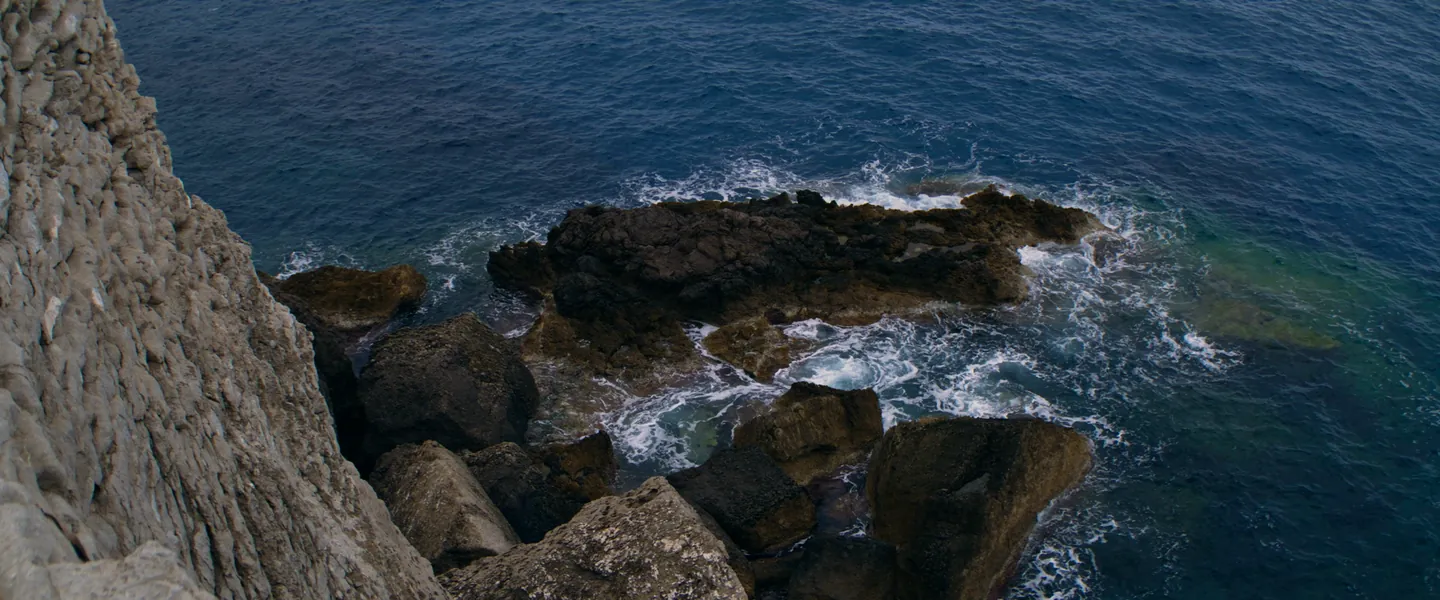
The wind rose
Mallorcans name the winds after the eight points of the traditional Mediterranean wind rose, the same rose that the island's medieval mapmakers drew on their celebrated sea charts. Each name gives a direction, and most carry a character too, summed up in the list below.
The rule that matters for swimmers is simple. A wind blowing onto a coast from the open sea builds waves there; a wind that reaches the shore over land leaves the water beneath it calm. So every wind has a rough side and a calm side, and on an island this size the calm side is rarely more than an hour's drive away.
- Tramuntana (north): the wind from beyond the mountains, cold, dry and clear.
- Gregal (north-east): the Greek wind, cool and often grey, with heavy seas in winter.
- Llevant (east): the wind of the sunrise, humid, often bringing cloud and rain to the east.
- Xaloc (south-east): warm and damp, the wind Italians call scirocco.
- Migjorn (south): the midday wind, from where the sun stands at noon.
- Garbí (south-west): warm and steady, a familiar wind on summer afternoons.
- Ponent (west): the wind of the sunset.
- Mestral (north-west): the master wind, the Mistral of southern France, cold, strong and clear.
Tramuntana, Mestral and Ponent: the north and west
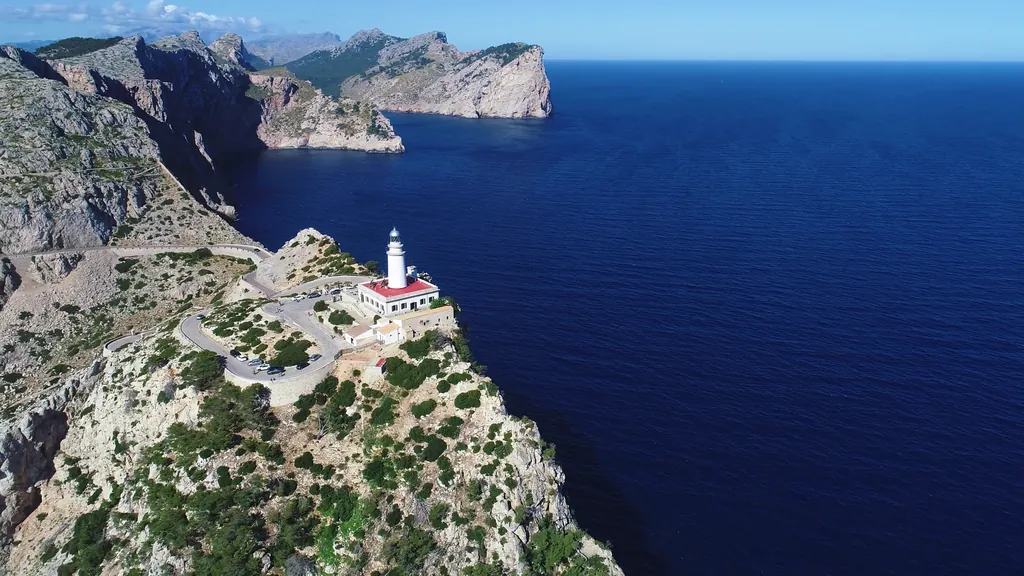
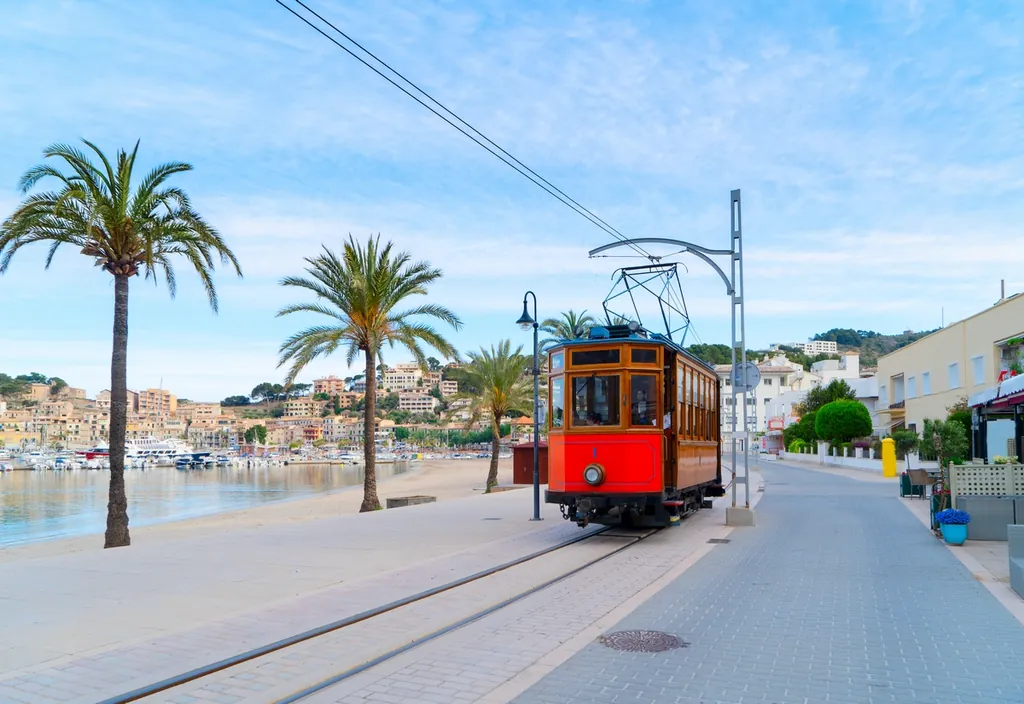
The winds from the north and north-west are the island's strongest, above all between autumn and spring. They drive waves against the whole Tramuntana coast, from Sant Elm and Banyalbufar to Deià, Port de Sóller and the cliffs of Formentor, and into north-facing coves such as Cala Sant Vicenç. Boats to Sa Calobra and Sa Dragonera often stay in harbour, and sailing round the north becomes hard work.
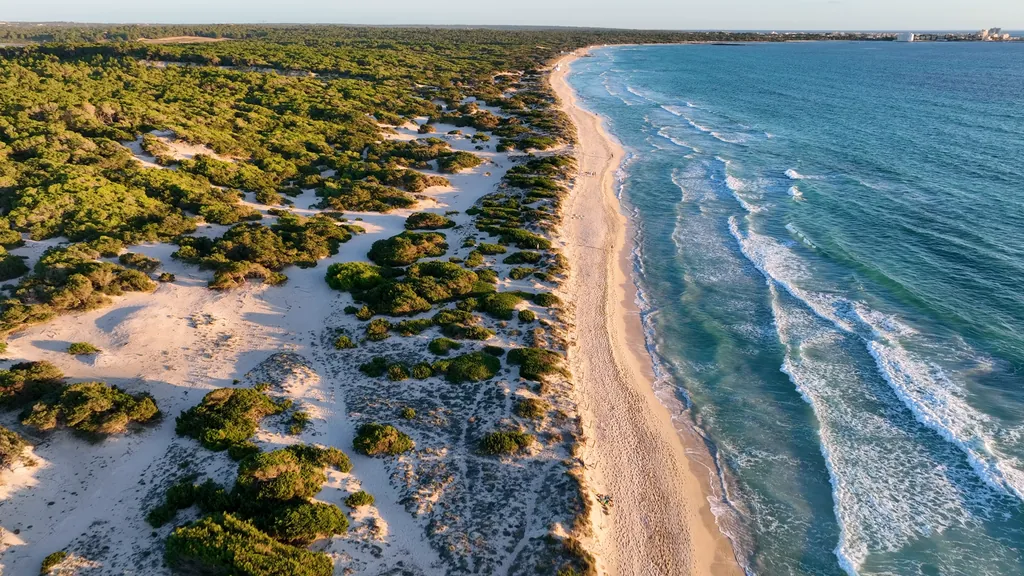
The mountains, though, take the brunt. Beyond them the wind reaches the sea over land, so the Bay of Palma, Es Trenc and the coves around Santanyí often lie calm and glassy under a clear sky. In summer a northerly also dries the air and brings bright, fresh days. A Ponent, from the west, works the same way on a smaller scale: rough around Sant Elm and the west-facing shore, calm along the east coast and in the Bay of Alcúdia.
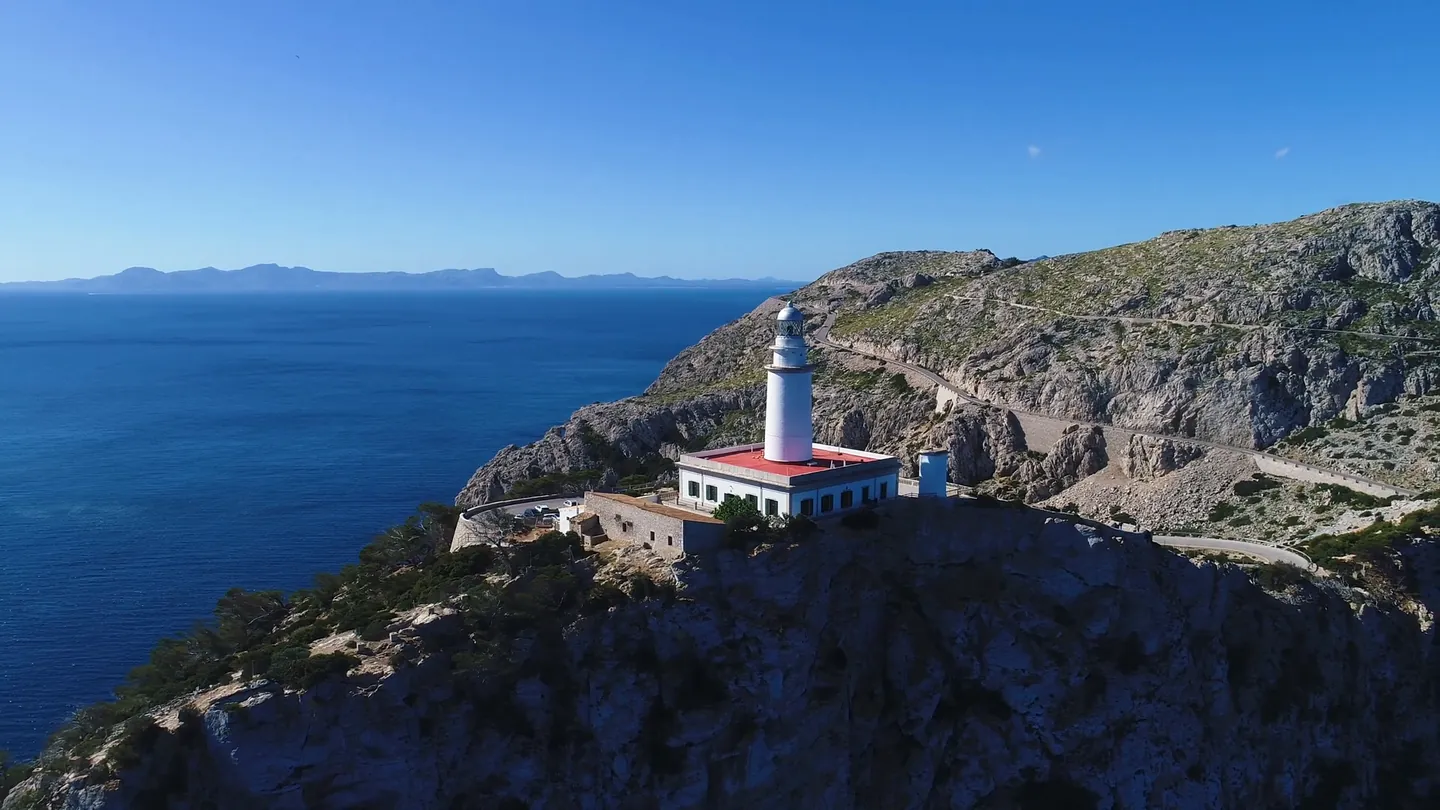
Gregal and Llevant: the north-east and east
The Gregal and the Llevant often bring the island's greyest weather in the cooler months, with rain, cold and heavy seas. They roll straight into the bays of Pollença and Alcúdia, which open to the north-east and east, and along the whole east coast, from Cala Ratjada through the coves of the Llevant coast to Cala d'Or and the coves around Santanyí.
This is when the west comes into its own. With an east wind, the coves of the southwest around Andratx and Calvià and the north-west coast around Port de Sóller are usually sheltered, and with a Gregal the Bay of Palma lies calm as well. Broadly, a Llevant is the mirror image of a Tramuntana: the mountain coast goes quiet, while the south-east coves, so calm in a north wind, take the waves. In summer an easterly can also bring humid, sticky air and a hazy sky.
The southern winds and the embat
The southern winds are warm. A Xaloc or a Migjorn sends swell into the Bay of Palma, along Es Trenc and onto the south-east coves, sometimes under a milky sky full of Saharan dust. A Garbí does the same to the Bay of Palma and the beaches of Calvià. On these days the north and north-west coasts are the sheltered side, and with a Migjorn or a Garbí the bays of Pollença and Alcúdia lie flat.
In summer there is one more wind that no rose records. As the land heats up, air is drawn in from the sea, and by around midday a steady breeze sets in across the Bay of Palma from the south and south-west. Palma calls it the embat. It peaks in the afternoon, ruffles the water, carries the sailing boats across the bay and fades around sunset. Every coast has its own version, always blowing in from the sea, which is why mornings are usually the calmest time to swim and snorkel anywhere on the island. Sailors planning a passage should read our guide to anchorages.
Choosing a beach by the wind
Before a beach day, check the forecast wind direction for the afternoon, then pick a coast that the wind reaches over land. The quick guide below gives the rule of thumb for each wind.
Strength matters as much as direction. A light breeze from any quarter barely touches the sea, while a strong wind can bend swell around headlands into coves that look sheltered on the map. The wind beach finder shows the calm side for each wind, and our guides to the island's coves, Es Trenc and the south coast and the northern beaches describe each shore in detail.
- Tramuntana or Mestral: go south, to the Bay of Palma, Es Trenc or the coves around Santanyí.
- Gregal: the Bay of Palma and the southwest are calm; the northern bays are not.
- Llevant: go west, to the coves of Andratx and Calvià or the north-west coast.
- Xaloc: the north-west coast, around Sóller and Deià, is the calm side.
- Migjorn or Garbí: go north, to the bays of Pollença and Alcúdia.
- Ponent: go east, to the coves of the Llevant coast or the Bay of Alcúdia.
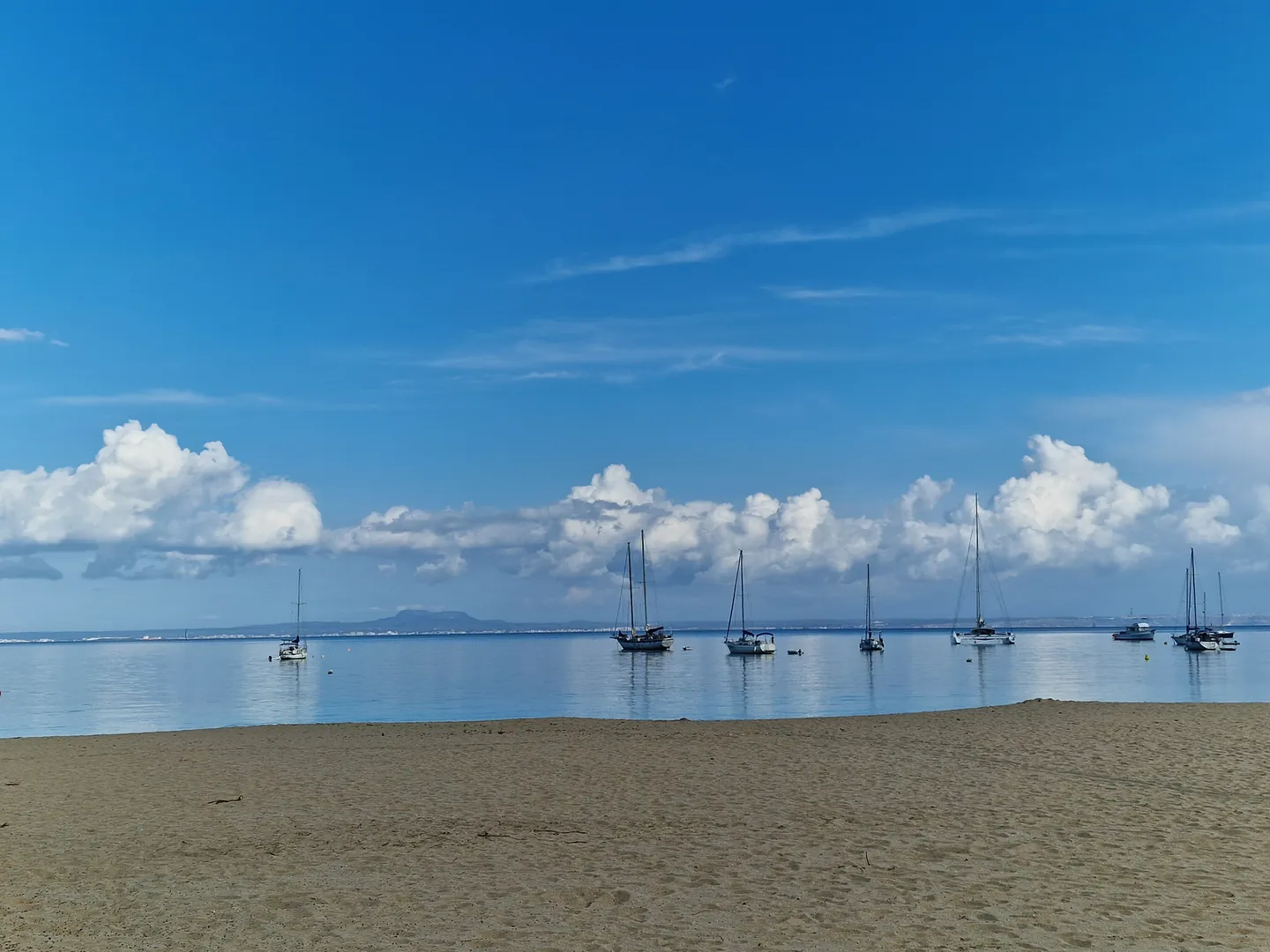
Autumn storms and sudden downpours
From late August into November the sea is at its warmest just as the first cold air arrives high above it. The result can be short, violent storms: thunder, hail, waterspouts offshore and a great deal of rain in a very short time. Forecasters call the deepest of these systems a DANA, an isolated low in the upper atmosphere, and Mallorcans also speak of the gota freda, the cold drop. Most storms pass within hours and leave clean, rinsed air behind them.
Water is the real danger. Mallorca's torrents are dry stream beds for most of the year and can fill within minutes when rain falls in the hills. In October 2018 a flash flood in Sant Llorenç des Cardassar, in the east of the island, cost thirteen lives. Never drive or walk through a flooded road or ford, do not park or camp in a torrent bed, and on mountain walks turn back early if storms are forecast. Our month-by-month guide shows how the seasons change.
Calima and the official forecast
Several times a year, southerly winds carry fine dust from the Sahara across the sea. The sky turns milky white or yellowish, the sun becomes a pale disc and the mountains fade from view. This haze is called calima, and if it rains during an episode the drops leave reddish mud on cars, terraces and windows. It usually clears within a few days; people with breathing problems should follow official air quality advice while it lasts.
For all of this, the reference is AEMET, Spain's state meteorological agency. It publishes forecasts for the Balearic Islands, coastal and maritime forecasts with wind force and sea state, and official warnings in yellow, orange and red for wind, rain, storms, heat and waves. Check the afternoon wind, not only the morning, and on the beach respect the lifeguards' flags: green for safe bathing, yellow for caution and red for no swimming.
Key points
- Eight winds, named in Catalan: Tramuntana, Gregal, Llevant, Xaloc, Migjorn, Garbí, Ponent and Mestral.
- The simple rule: choose the coast the wind reaches over land, where the water stays calm.
- A north wind leaves the south and the Bay of Palma calm; an east wind sends swimmers west.
- In summer the embat fills the Bay of Palma most afternoons: swim in the morning, sail after lunch.
- Autumn brings sudden downpours: follow AEMET warnings and never cross a flooded torrent.
Questions
What is the Tramuntana wind?
The Tramuntana is the north wind, the wind from beyond the mountains. It is cold and clear, strongest in winter, and throws big waves onto the north and north-west coasts. Because the mountain range shelters the rest of the island, a Tramuntana usually means calm water in the Bay of Palma and along the south coast.
Which beaches are calm when the wind blows from the east?
With a Llevant the east coast takes the waves, from Cala Ratjada south through the coves of the Llevant coast, and the Bay of Alcúdia is often rough too. Look west instead: the coves of the southwest around Andratx and Calvià, and the north-west coast around Port de Sóller, are usually sheltered.
What is calima?
Calima is a haze of fine Saharan dust carried north on southerly winds. The sky turns milky or yellowish, the light goes flat and visibility drops; if it rains during an episode, cars and terraces are left covered in reddish mud. It usually passes within a few days.
Where can I find a reliable wind forecast for Mallorca?
AEMET, Spain's state meteorological agency, publishes forecasts for the Balearic Islands, coastal and maritime forecasts, and the official weather warnings in yellow, orange and red. For a beach day, check the expected wind direction and strength for the afternoon, not just the morning, because sea breezes build after midday.
Official sources
- AEMET
- Puertos del Estado
- Govern de les Illes Balears
Published 19 October 2026 by the editors of island mallorca. Facts were checked in autumn 2026; rules, timetables and access can change.