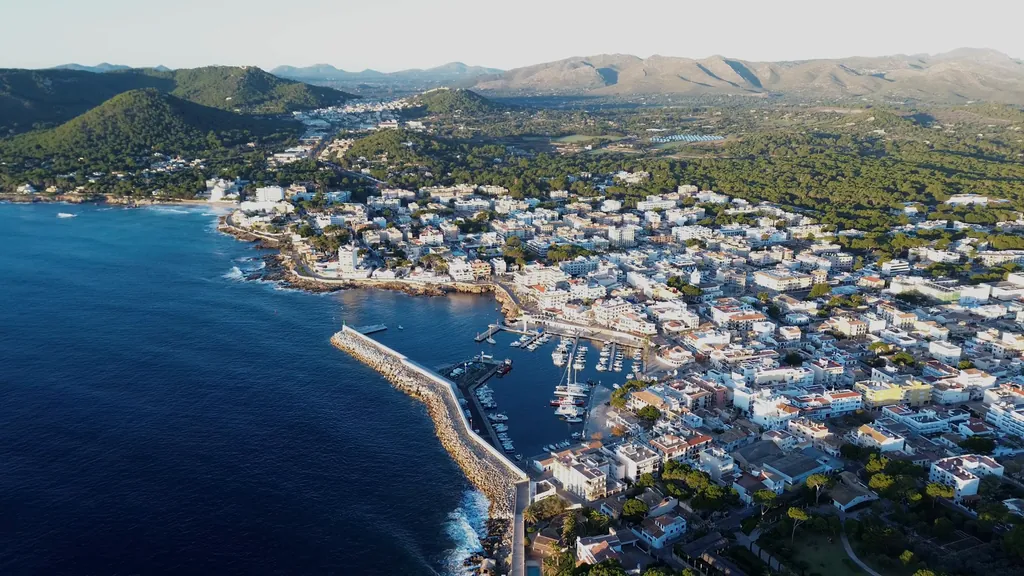
15East · Harbour
Cala Ratjada
Capdepera's castle walls above, Cala Ratjada's harbour below, and between them the lighthouse at Mallorca's easternmost point, where the sun rises first.
15 min from Artà
70 min from the airport
A stone town climbing to a walled sanctuary, with wild hills and coves beyond
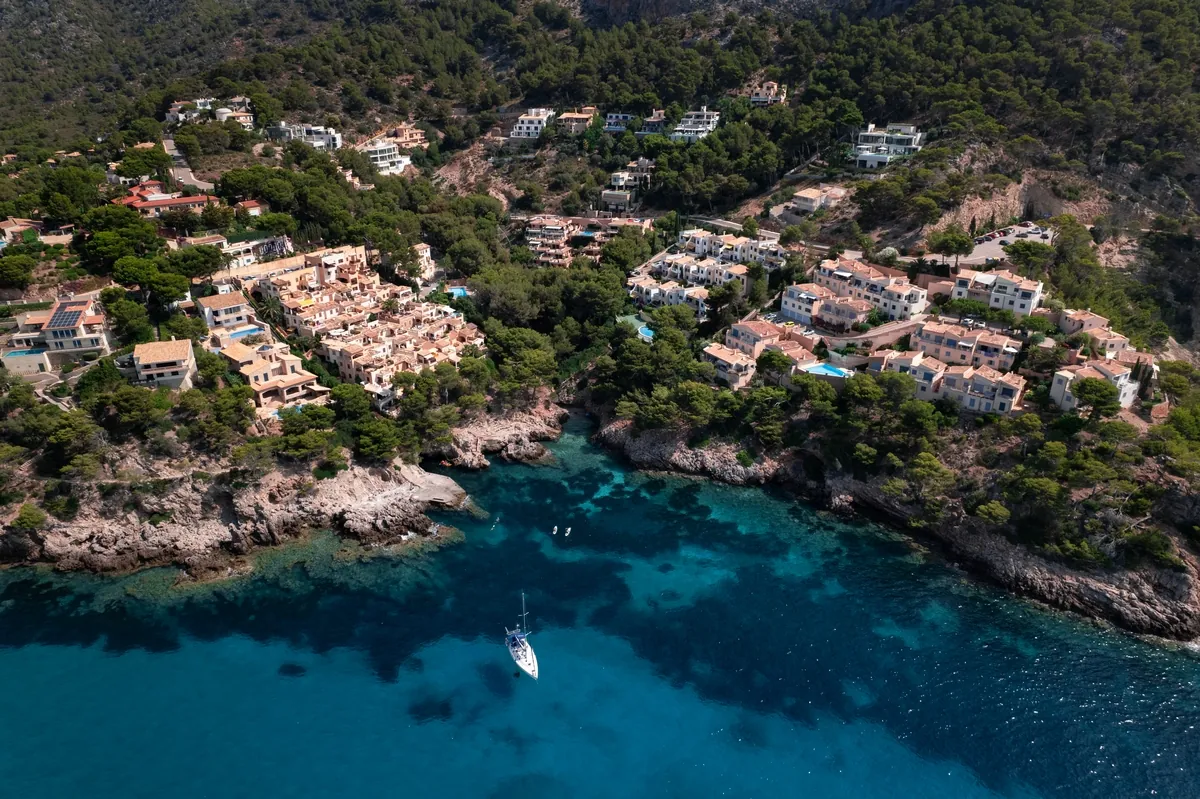
Drives outside peak traffic. Markets from the official 2026 list; seasonal evening markets on the market days page.
Artà is the main town of Mallorca's far north-east: a working place of steep lanes and sandstone houses, piled up a hill crowned by the walls of the Sant Salvador sanctuary. Beyond it spreads a landscape that many visitors never see, the hills and cliffs of the Llevant peninsula, crossed by tracks rather than roads, with a few undeveloped coves at the edges. Come for the market, the palm-leaf craft and the fires of Sant Antoni, and stay for the walking.
Artà feels lived in rather than visited. Its streets climb from the main road through a dense grid of stone houses, shuttered windows and small squares to the parish church of the Transfiguració del Senyor, halfway up the hill. From the church a stepped lane lined with cypresses continues to the top, where the sanctuary of Sant Salvador sits inside a ring of crenellated walls, the Almudaina, built on the site of an older fortress.
Walk up rather than drive. At the top a path runs along the battlements, and the view stretches over the roofs to the Llevant hills, the plain and the sea beyond. The sanctuary church itself is plain and cool, a good place to sit out the heat of the day before heading down again through the old streets.
Just outside the town, among holm oaks and olive trees, lies Ses Païsses, one of the best preserved Talaiotic settlements on the island. A wall of huge, roughly shaped stones encloses the village, entered through a monumental gateway, with the base of a central tower, the talaiot, and the outlines of rooms around it. It dates from the Talaiotic period, centuries before the Romans arrived, and its quiet, shaded setting makes the past easy to imagine.
Artà's living traditions are just as distinctive. The town is known for its palm-leaf work: baskets, hats and mats plaited from the leaves of the dwarf fan palm that grows wild in the Llevant hills. You will see it at the market and in small workshops; the guide to Mallorcan crafts tells the wider story.
In January, the fires of Sant Antoni turn the town inside out. On the evening of 16 January bonfires burn in the streets and squares and devils dance through the crowds; on 17 January animals are blessed and decorated floats parade through town. It is one of the most heartfelt fiestas on the island: see Mallorca's festivals and traditions.
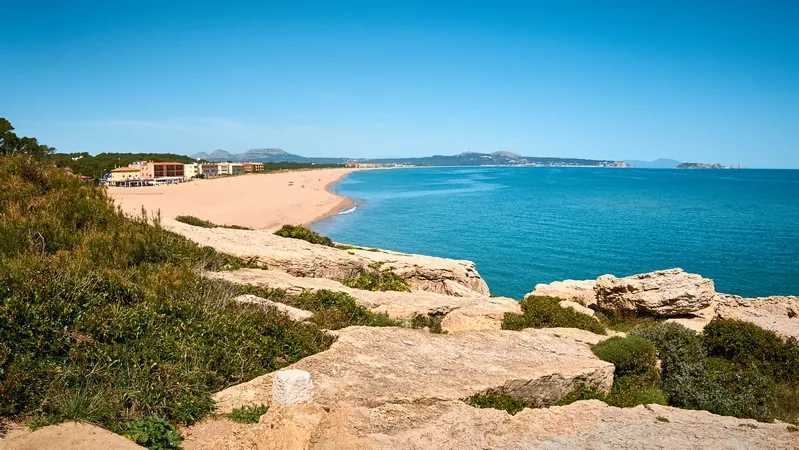
North of the town, the Parc Natural de la Península de Llevant protects a wedge of hills, cliffs and old farm estates with almost no roads. Tracks and paths lead through dwarf palm and pine to quiet valleys, the cliffs of Cap de Ferrutx and small beaches reached only on foot. The hermitage of Betlem, on a hillside above the coast, is another fine goal for a walk or a slow drive. Take a good map and plenty of water, and avoid the hottest hours in summer.
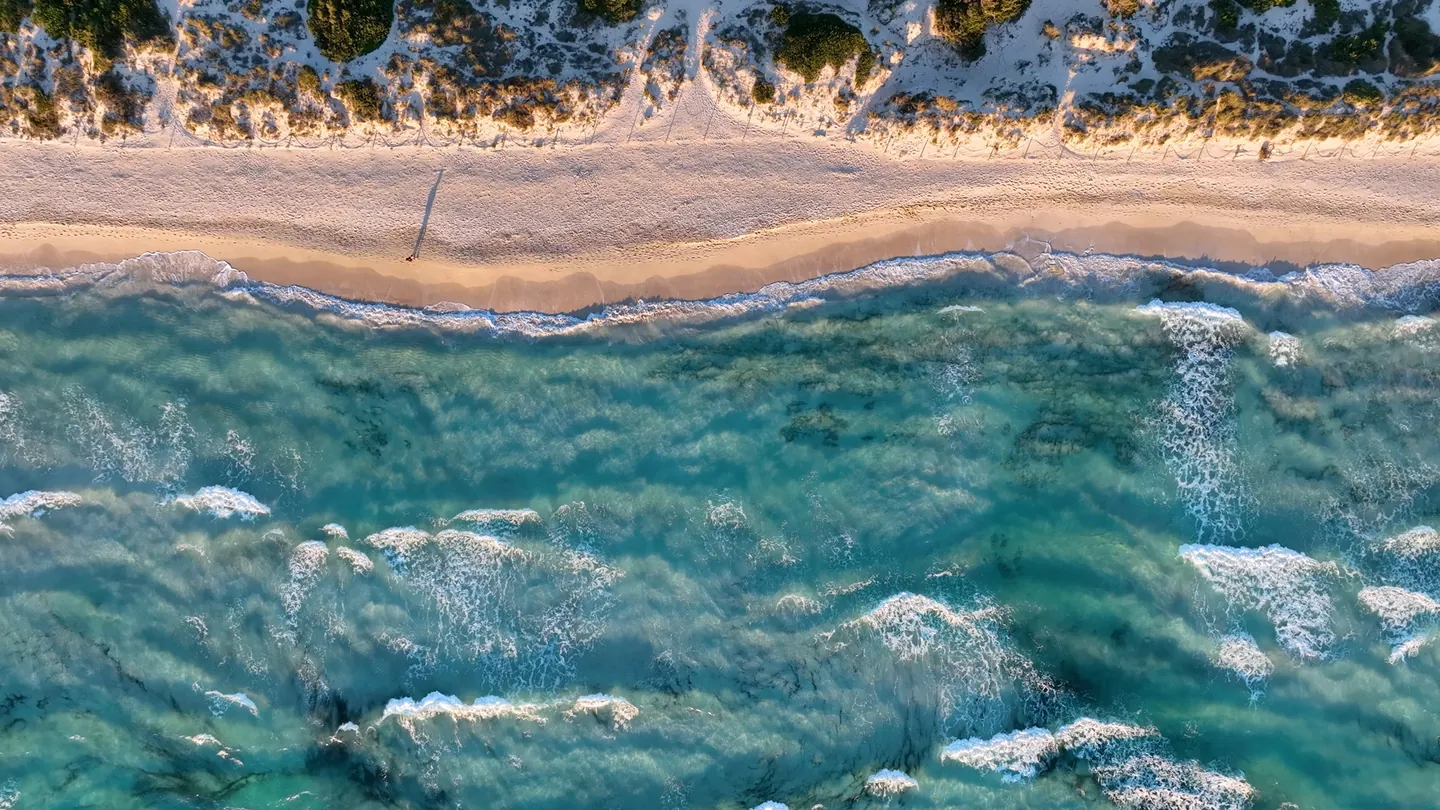
East of Artà the coast holds some of the least developed beaches in Mallorca. Cala Torta, reached by a narrow, rough road through the hills, is a wide bay of sand and dunes with almost nothing built behind it. Cala Mesquida, a little further east, has a broad beach backed by protected dunes. Both face north and take the full force of the Tramuntana, when waves and currents make swimming risky; on calm days the water is clear and inviting. Check the wind and beach finder before you go.
Artà's market fills the streets of the centre on Tuesday mornings: farm produce, cheeses, sobrassada, olives, palm-leaf baskets and household goods, with plenty of locals doing their week's shopping. It is a good morning to be in town; combine it with the climb to Sant Salvador before the heat builds. The market days tool shows what else is on that week.
The countryside around Artà is farming country, and the cooking is plain and good: lamb, frit mallorquí, tumbet, sobrassada on bread, almonds and carob from the dry hills. In the cooler months look for hearty soups and stews; in summer, trempó salad and pa amb oli.
Artà is about an hour from Palma airport outside peak traffic, by the fast road to Manacor and the main road beyond. Leave the car in the car parks on the edge of the centre; the lanes up to Sant Salvador are steep and narrow. The road to Cala Torta is rough and slow, so drive with care; Cala Mesquida is reached on a paved road from Capdepera. The old railway line between Manacor and Artà has been turned into a greenway for walkers and cyclists, an easy, car-free way to arrive.
Cala Ratjada and Capdepera lie a short drive east, with a castle, a lighthouse and more beaches. Alcúdia is along the coast road to the north-west, past Can Picafort and S'Albufera. Closer to home, Colònia de Sant Pere, Artà's small seaside village on the Bay of Alcúdia, is a quiet spot for a swim and a walk at the edge of the Llevant hills.
Walkers, cyclists and travellers who prefer a real town to a resort, and who are happy to trade beach bars for empty coves and quiet tracks. History lovers will enjoy the sanctuary and Ses Païsses. Families need to choose their days on the north-facing coves with care. In January, anyone curious about island traditions should not miss Sant Antoni.
Spring is the best season for walking the Llevant, with green hills and flowers, followed by autumn. Summer is hot inland: walk early, swim late. Avoid the north-east coves on Tramuntana days. Climb to Sant Salvador in the early morning or towards sunset. For the full spectacle of Sant Antoni, be in town on the evening of 16 January.
On foot from the parish church: a stepped lane lined with cypresses makes a short, steady climb to the walled sanctuary at the top. There is also a road for cars, but the walk is part of the pleasure. Once inside the walls you can follow the battlements for wide views over the town and the hills.
A Talaiotic settlement just outside Artà, from the island's prehistoric period long before the Romans. A massive wall of rough stone blocks surrounds the village, entered through a monumental gateway, with the base of a central tower and the remains of rooms inside. It lies among holm oaks and is pleasant to visit early in the day.
Yes, on calm days the water is clear and the sand fine. But the bay faces north and is fully exposed, so when the Tramuntana blows, waves and currents can be dangerous. Check the forecast and the flags, and on windy days choose a sheltered beach on the south or east coast instead.
On 16 and 17 January. On the evening of the 16th bonfires are lit in the streets and squares and the devils dance through the crowds; on the 17th a parade of floats accompanies the blessing of animals. It is one of the most heartfelt fiestas on the island, and very crowded.
Capdepera's castle walls above, Cala Ratjada's harbour below, and between them the lighthouse at Mallorca's easternmost point, where the sun rises first.
15 min from Artà
70 min from the airport
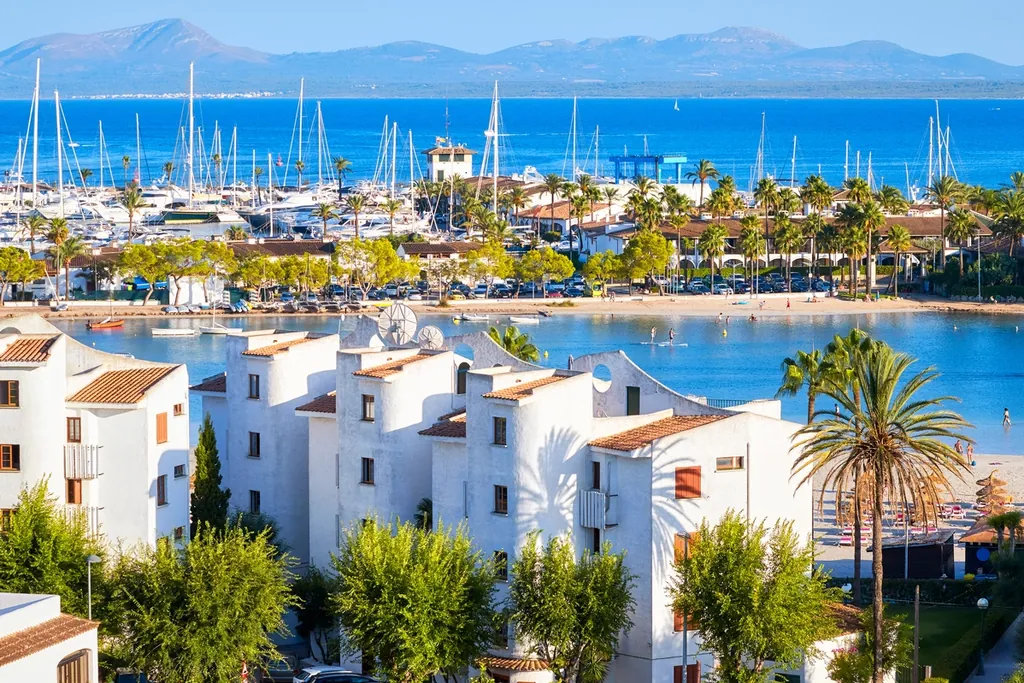
Walk Alcúdia's medieval walls and the streets of Roman Pollentia, watch herons at S'Albufera, then wade out into the long, shallow bay.
40 min from Artà
45 min from the airport
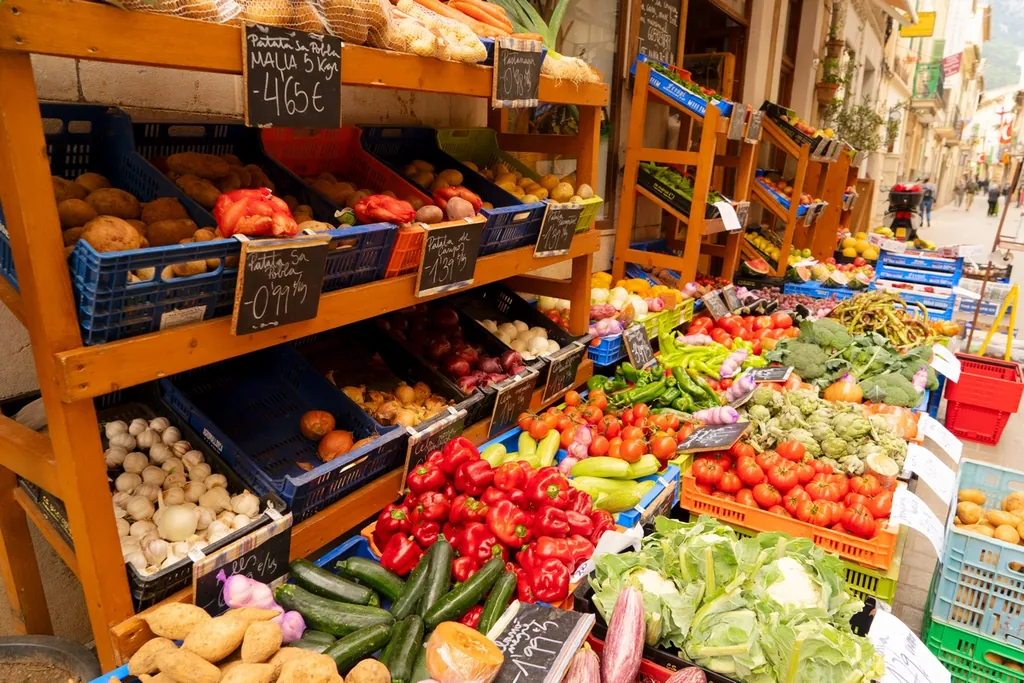
Since the early fourteenth century, Sineu has held a market every Wednesday. Come early for livestock and produce, then stay on for the quiet town and the plains.
45 min from Artà
35 min from the airport
Choose how long you stay, where you sleep and what you love. The planner suggests a day-by-day route with drive times, market days and the beaches the wind allows. Keep it, print it or send it to yourself.