Crafts of Mallorca: glass, cloth, clay and leather
Long before Mallorca exported holidays, it exported things. Shoes from Inca, cloth from the island's looms, glass, pottery and baskets travelled far beyond the island, and some of those trades survive in family workshops today. Buying Mallorcan crafts helps keep them alive, but it takes a little knowledge, because imports dressed up as local work are common in souvenir shops. This guide explains the island's main crafts, the towns that keep them and how to recognise the real thing.

Blown glass: an old craft of the interior
Glass has been blown on Mallorca for centuries, and the craft survives in a few glassworks in the island's interior. Visit one and you can still watch a gather of molten glass taken from the furnace, blown, turned and shaped with wooden paddles and iron tools in a matter of minutes, while the furnace roars behind. Watch for a while and you see how much rests on judgement: the glassblower reads the heat by its colour and the weight of the gather by feel, skills that take years to learn.
Traditional Mallorcan glass is thick, slightly irregular and often full of tiny bubbles, in deep greens, blues and amber. Jugs, carafes, oil cruets and tumblers are the classic forms. Good pieces feel weighty and balanced, with a rough mark on the base where the iron rod was snapped away. Perfect uniformity across a set suggests machine production, not quality.
Roba de llengües: the cloth of tongues
The most distinctive Mallorcan textile is roba de llengües, cloth of tongues: an ikat in which the threads are tied and dyed before weaving. When the loom brings them together the colours blur into flame-shaped motifs, the tongues, which never quite repeat. The classic colours are deep blue, red, green and ochre on a pale ground, in cotton or linen, and the cloth dresses the curtains, sofas and beds of the island's old houses.
Only a handful of family weavers still work this way, notably in Pollença and Santa Maria del Camí, selling cloth by the metre as well as made up into cushions and tablecloths. Check both sides of a piece: on true ikat the soft-edged pattern runs right through the weave, whereas printed imitations are sharp on the front and pale on the back. Because every length of thread is tied and dyed by hand before it reaches the loom, the cloth is slow to make, and a wait for a large order is normal.
Siurells and the potteries of Marratxí
Siurells are small clay whistles, whitewashed and painted with quick strokes of red and green: riders, women in long skirts, bulls and devils, each with a whistle in its base. They come from Marratxí, between Palma and the plain, where the potteries of Pòrtol and Sa Cabaneta have worked the local clay for centuries. Each potter paints with a slightly different hand, so no two are quite alike. Joan Miró collected them, and their simple forms and colours echo through his work.
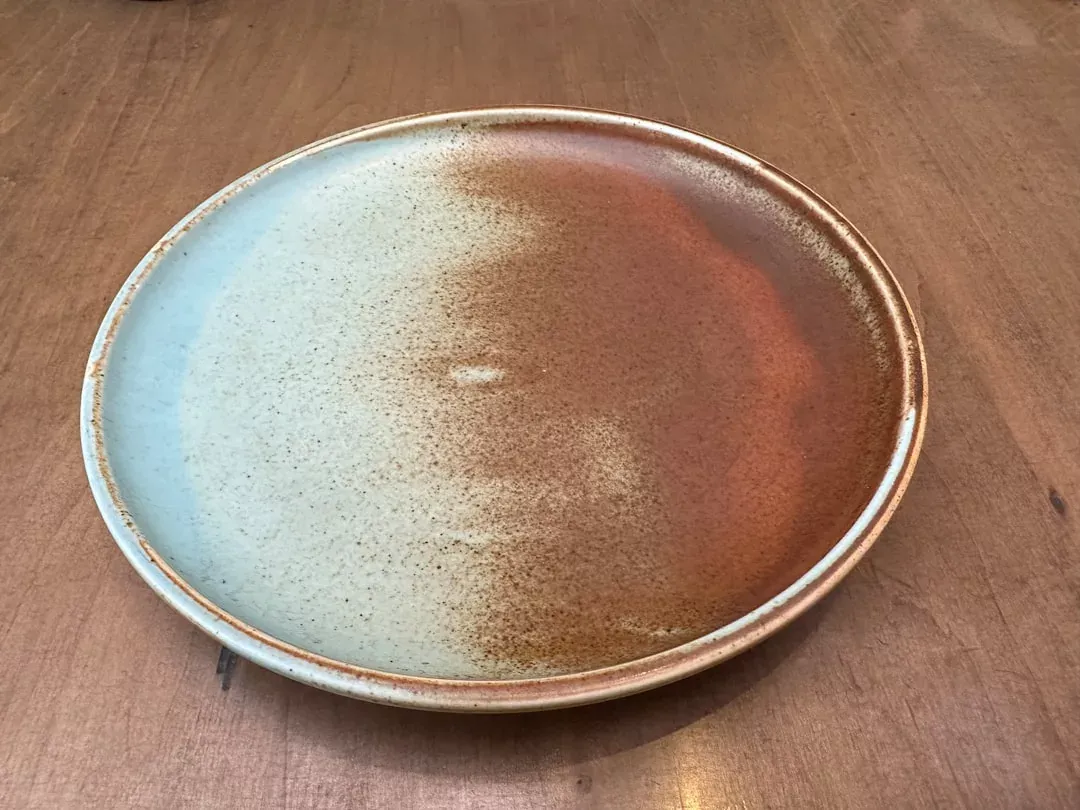
The same potteries make the island's kitchenware, above all the greixonera, a glazed earthenware dish for slow cooking in the oven, and the bowls in which dishes such as tumbet are served; our guide to Mallorcan dishes explains what goes into them. Soak a new greixonera in water before its first use and it will last for years. Each spring Marratxí holds a clay fair, the Fira del Fang, where potters set out their work.
Leather and shoes: Inca and Lloseta
Inca has made shoes since the nineteenth century, and with neighbouring Lloseta it became the centre of an industry whose labels are now known around the world. Many small factories closed as production moved abroad, but skilled shoemaking and leatherwork remain, and factory shops in and around both towns sell their own production at the source.
Look for full-grain leather, soles that are stitched rather than simply glued where the style allows, and a label that says where the shoe was made, not merely designed. The same applies to bags, belts and jackets: even stitching, neat edges and linings sewn rather than glued are the signs of careful work. Inca's Thursday market and its great November fair, Dijous Bo, described in our festival calendar, are good moments to combine shopping with the life of the town.
Palm leaf, olive wood and pearls
In the east, around Artà and Capdepera, the leaves of the dwarf fan palm, the margalló, are dried, split and plaited into long strips, then sewn into baskets, hats, bags and mats. The craft is known as obra de llata, and it was once winter work in many farmhouses. A good basket is tightly plaited, even in colour and stiff enough to hold its shape when empty. Artà's Tuesday market is a natural place to look.
Olive wood usually comes from pruning or from trees that have died in the groves of the Tramuntana and the plain. Turned bowls, salad servers, boards and mortars show its dense, marbled grain; oil it now and then and it will deepen in colour. Wash it by hand and wipe it dry at once, as a dishwasher will split it. Manacor, meanwhile, has made artificial pearls for over a century by coating glass cores in layer upon layer of lustrous finish. Sold for what they are, manufactured rather than cultured or natural, they are an honest island product.
Ceramics of Felanitx
Felanitx, in the south-east, is a town of wine and of potters. Its traditional ware is glazed earthenware for the kitchen and the table: jugs, water jars, plates and bowls with simple painted decoration. It is also the birthplace of Miquel Barceló, who has taken the island's clay in new directions; his story is told in our guide to artists and writers.
Mallorcan clay also gave the island its roof tiles, floor tiles and the big earthenware jars once used to store oil and water, which now stand in gardens everywhere. Old pieces turn up at antique fairs and markets, but new copies, many of them imported, are far more common, so look for honest wear and ask where a piece came from.
How to buy well
A few habits separate real craft from the souvenir trade.
- Buy where things are made: many glassworks, potteries and weavers let you watch before you buy.
- Ask what is made on the premises and what is bought in. Honest makers answer readily.
- Use the weekly markets for palm baskets, olive wood and pottery; our market days tool shows which town on which day.
- Expect small variations in handmade work. Identical pieces by the hundred are not craft, whatever the label says.
- Ship large or fragile pieces rather than risking them in hold luggage, and ask the maker how best to pack them.
- Visit in the quieter months if you can, when makers have more time to talk about their work and show how it is done.
- Keep the maker's card or label with the piece: it records where it came from and helps you find them again.
Key points
- Roba de llengües is true ikat: the threads are dyed before weaving, so the pattern runs through the cloth.
- Siurells, the white clay whistles of Marratxí, are the island's most recognisable folk object.
- Inca and Lloseta remain the heart of Mallorcan shoemaking and leatherwork.
- Artà and Capdepera keep the craft of plaiting dwarf fan palm leaves into baskets, hats and bags.
- Buy where things are made, ask what is made on site, and expect small variations in handmade work.
Questions
What is the most typical Mallorcan craft to take home?
For something unmistakably Mallorcan, choose a siurell, a length of roba de llengües or a palm-leaf basket from the east. All three carry real island history and travel well. Blown glass and earthenware are just as traditional, but fragile in luggage, so pack them carefully or have them shipped.
Are Manacor pearls real pearls?
They are manufactured pearls, made by coating a glass core in many layers of lustrous finish, not natural or cultured pearls grown in oysters. Sold honestly as such, they are a long-standing Mallorcan product with their own industry and history. Be wary of anyone who presents them as anything else.
Can I visit craft workshops in Mallorca?
Many glassworks, and some potteries and weavers, welcome visitors to watch the work. Smaller family workshops are working spaces rather than attractions, so ask before you arrive and do not expect demonstrations on demand. Hours vary with the season and with production, so check the current timetable.
Where can I buy genuine siurells?
Go to the source: the potteries of Pòrtol and Sa Cabaneta in Marratxí, or the Fira del Fang each spring, which gathers many makers in one place. Weekly markets across the island sell them too. Look for the slightly uneven hand painting and individual character of genuine work.
Official sources
- Consell de Mallorca
- Govern de les Illes Balears
- Ajuntament de Marratxí
Published 19 October 2026 by the editors of island mallorca. Facts were checked in autumn 2026; rules, timetables and access can change.