- Home
- Essentials
- When to go: Mallorca month by month
When to go: Mallorca month by month
Mallorca has no bad month, only different versions of the island. In February the almond trees flower across the plain and the mountains stand sharp in the winter light; in August the sea is at its warmest and the best-known coves are full by mid-morning. Between the two lie long seasons of walking, cycling and swimming weather. The right month depends on what you want to do, how much company you can bear and how warm you need the water to be.
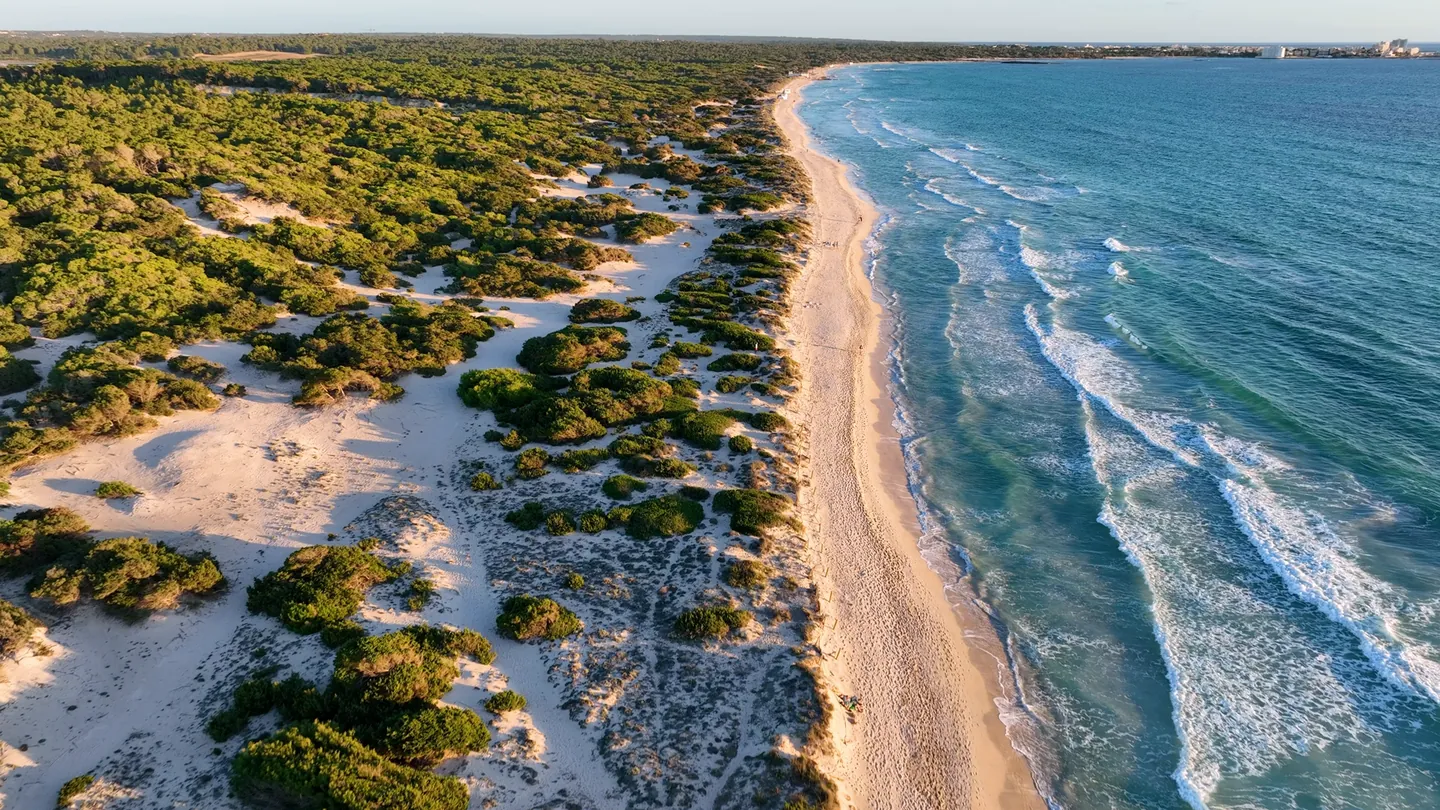
Winter light and almond blossom
From late January into February the almond trees flower, and for a few weeks the fields of Es Pla and the south turn white and pale pink against red earth and grey stone walls. It is one of the loveliest times on the island and one of the least crowded. Afternoons in Palma reach about 15 °C in January, often under clear skies, though spells of rain and cold northerly wind come and go.
The low winter sun makes the light sharp, and on clear days the views from the mountains reach far out to sea. Snow sometimes dusts the highest peaks of the Tramuntana. The sea, at about 14 °C in February, is for the hardy only, but this is a fine season for walking, city days in Palma and long lunches in village squares. Days are short in midwinter, so start walks early. The great winter feast, Sant Antoni on 16 and 17 January, fills the towns with bonfires, dancing devils and the blessing of animals.
Spring for walking and cycling
From March to May the island is green, the verges are full of wild flowers and the paths are at their best. This is the main season for walkers on the GR 221, the dry-stone route through the Serra de Tramuntana, and for road cyclists, who come in large numbers to ride the mountain passes and the quiet lanes of the plain.
Temperatures climb steadily: by May, afternoon highs in Palma are about 23 °C, while the sea, at about 18 °C, is still bracing. April can still bring cool, wet spells, so pack a warm layer. Easter brings processions to Palma and the towns, and in May Sóller re-enacts its defence against pirates with a boisterous battle of Moors and Christians. Many seasonal hotels reopen around Easter, so spring combines long, bright days with roads and paths that are still fairly quiet. If you plan to ride, read our guide to cycling in Mallorca first.
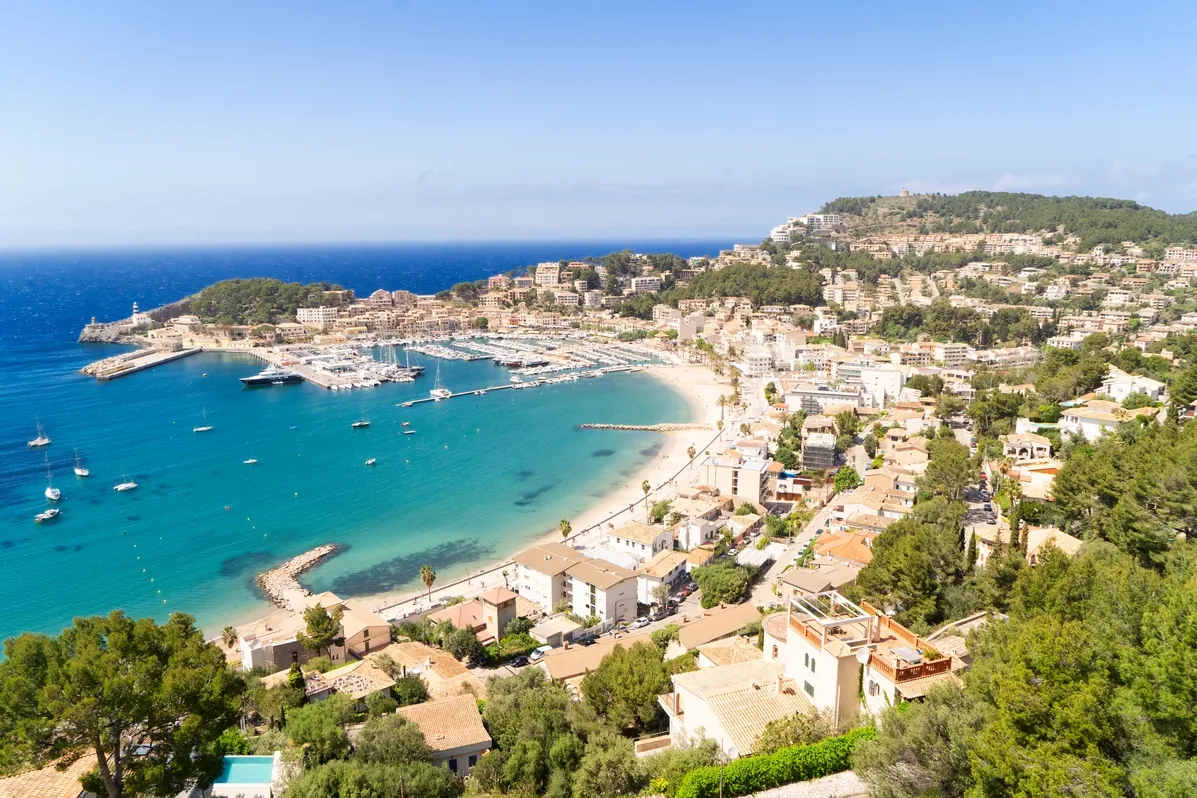
Early summer
June is the island at its most generous. The days are the longest of the year, with the sun setting after nine in the evening, and the sea warms quickly, so by the end of the month it is pleasant for long swims. The hills turn gold as the grass dries, and the first apricots arrive in the markets. Most European school holidays have not yet begun, and the coves are still manageable in the morning.
On the night of 23 June, Sant Joan is celebrated with bonfires, fireworks and gatherings on the beaches that run long after midnight. For families, early summer is the gentlest time for a beach holiday: warm enough for the sea, not yet as hot as July. Book early for the second half of the month, when the first holiday crowds arrive.
July and August: heat and crowds
High summer is hot, dry and busy. Afternoon highs in Palma are about 30 to 31 °C, inland Es Pla is often hotter, and nights stay warm. Heatwaves can push the thermometer well beyond that, and the afternoon sea breeze is a relief on the coast. The sea reaches about 25 to 26 °C in August. This is when most of Europe and much of Spain take their holidays, so flights, cars and rooms need booking well ahead, and the famous coves fill early.
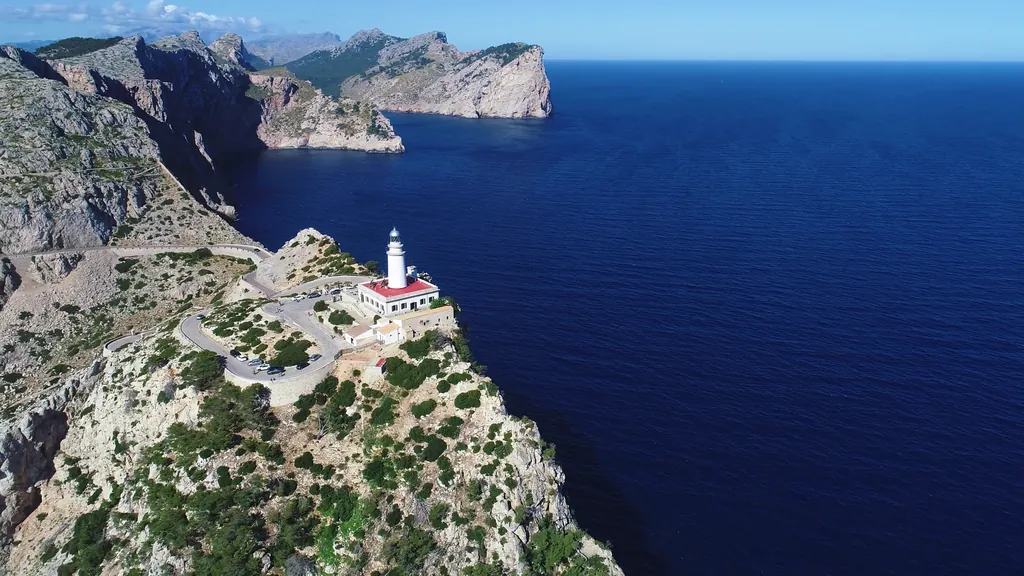
Plan the day as islanders do: the beach early, a long lunch and a rest through the hottest hours, then the sea again or a village square in the evening. Mountain walks are best left for the first hours of the morning, and the last stretch of road to Cap de Formentor is restricted for private cars at busy times. On 16 July harbours around the island honour the Mare de Déu del Carme, patron of fishermen, with processions at sea, and at the start of August Pollença stages its own battle of Moors and Christians.
September and October
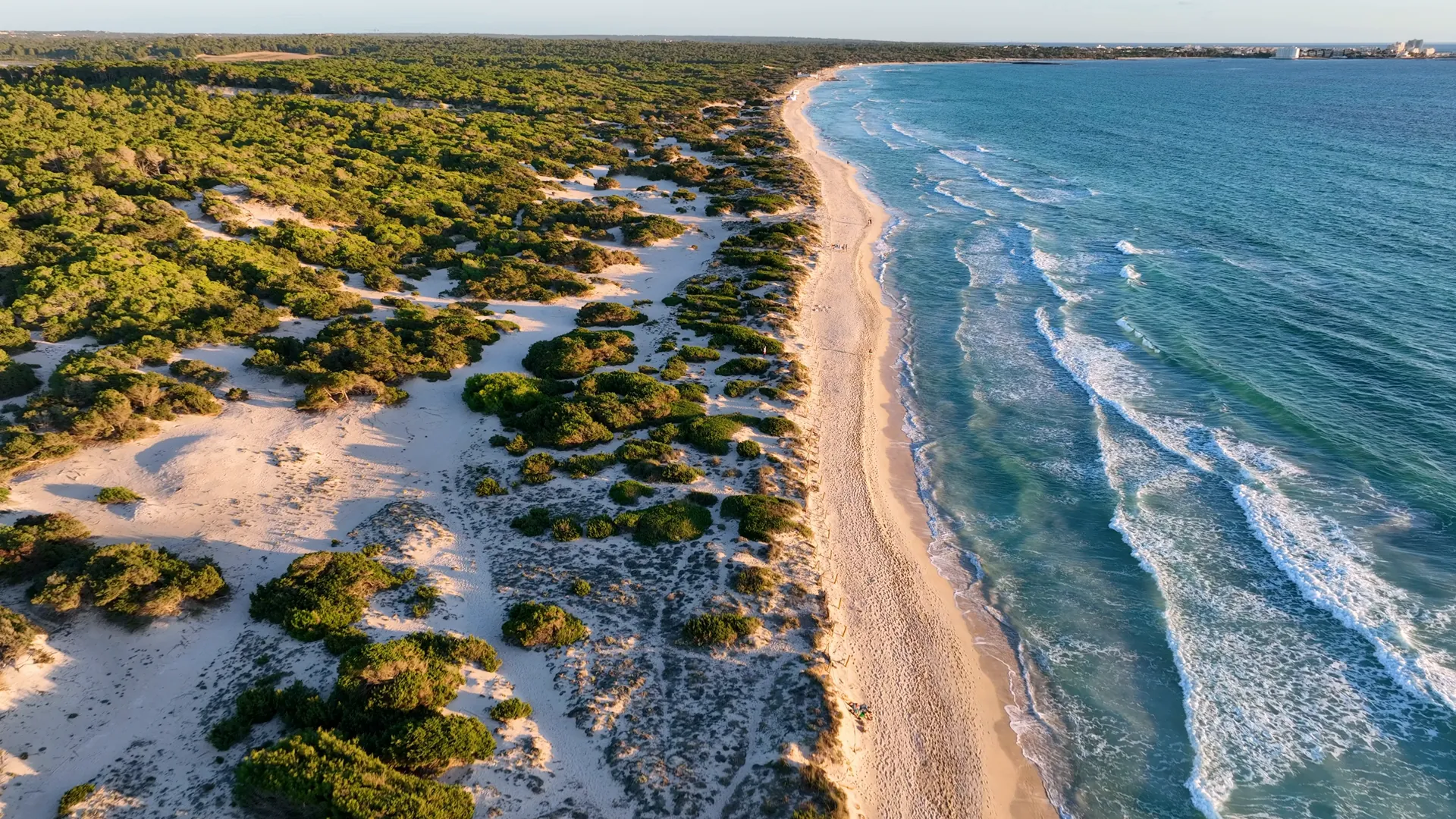
September is the swimmer's month. The sea stays at about 25 °C, as warm as it gets all year, while the crowds thin once schools reopen. The first days are still hot, and the grape harvest begins in the vineyards around Binissalem. Late summer is also when the first storms arrive: sudden downpours and thunder, usually short, sometimes violent. Our guide to Mallorca's winds and weather explains what to watch for.
October feels like a second spring. Afternoons in Palma are about 23 °C and the sea still about 22 °C, so swimming carries on for much of the month. Walkers and cyclists return, the light softens, and after the first rains the hills turn green again and the esclata-sang, the island's favourite wild mushroom, appears in the pine woods. Towards the end of the month many seasonal hotels begin to close.
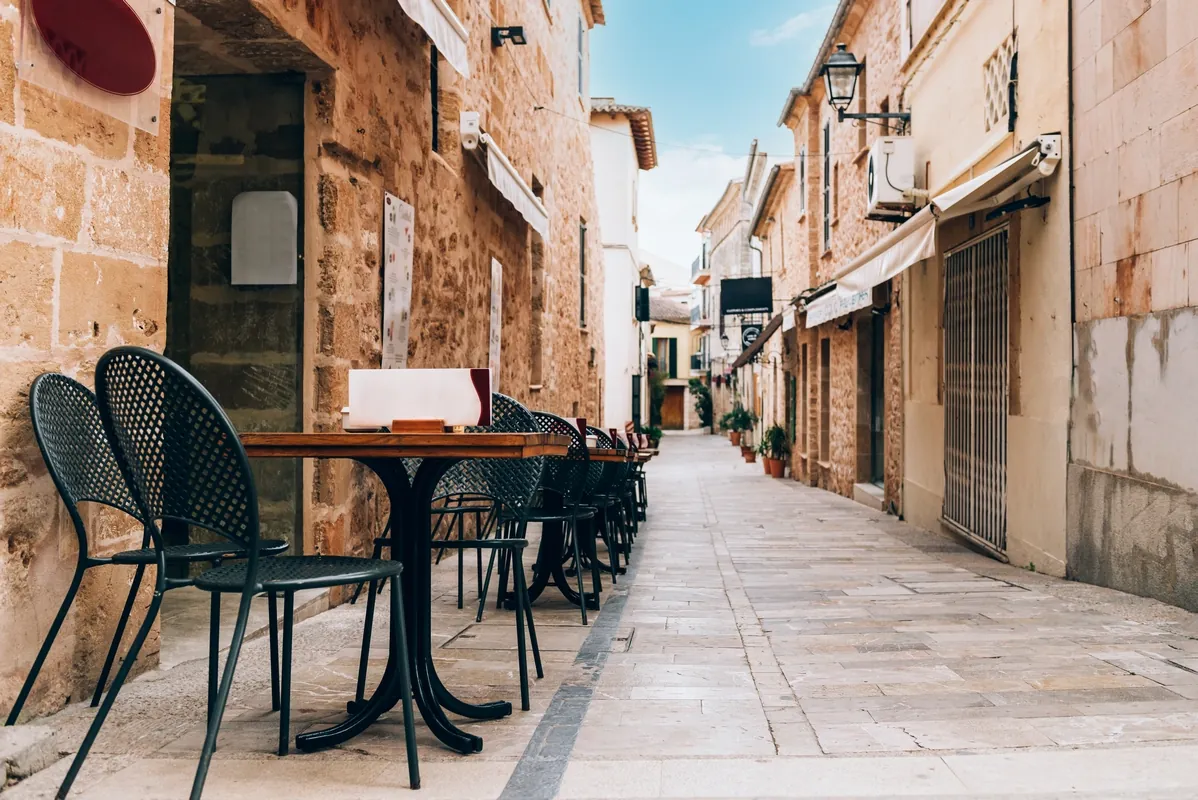
The quiet months, November to March
From November to March Mallorca belongs to the people who live here. Many seasonal hotels close, along with much of the resort coast, but Palma, Sóller, Pollença and the market towns stay open and lively. Rain comes in spells, sometimes heavy, and the north wind can bite, yet there are many bright, still days when a sheltered terrace feels like spring. Some village restaurants and shops close for a few weeks, so check before you set out.
This is the season for city breaks, long walks, empty roads and the island's own calendar. Inca's great autumn fair, Dijous Bo, falls in November. Oranges ripen in the Sóller valley through the winter, olives go to the press, and on some farms the matances, the traditional pig slaughter that gives sobrassada, still takes place. If you want to see how the island lives when nobody is watching, come now.
Festivals as reasons to go
Some of the best reasons to choose a date are the island's feasts, celebrated by locals for locals. Most follow the church calendar, so their dates stay fixed from year to year, except for Easter and the feasts tied to a weekend. These are the fixed points worth planning around; our guide to festivals and traditions covers the full calendar.
For month-by-month figures on air and sea temperatures, rain, crowds and festivals, use the best time to visit tool.
- Sant Antoni, 16 and 17 January: bonfires, devils and the blessing of animals, at their liveliest in Sa Pobla, Artà and Manacor.
- Sant Sebastià, 20 January: Palma's patron saint, with bonfires and concerts in the city's squares on the eve.
- Holy Week: processions in Palma and the towns, and the solemn Davallament on Pollença's Calvari on Good Friday.
- Sóller's Moros i Cristians in May, recalling the pirate raid of 1561.
- Sant Joan, 23 June: fires and fireworks on one of the shortest nights of the year.
- Mare de Déu del Carme, 16 July: decorated boats carry the Virgin around the harbours.
- The grape harvest festival in Binissalem in late September, and Dijous Bo in Inca in November.
Key points
- Almond blossom turns Es Pla and the south white and pink from late January into February.
- Spring and autumn are the seasons for walking the GR 221 and cycling the mountain roads.
- July and August bring afternoon highs of 30 to 31 °C, a sea of 25 to 26 °C and the biggest crowds.
- September has the warmest sea with fewer people; in October the water is still about 22 °C.
- From November to March many seasonal hotels close, but Palma and the main towns stay lively.
Questions
What is the best month to visit Mallorca?
For most people, May, June, September and early October give the best balance: warm days, a swimmable sea from June, and fewer crowds than in high summer. Walkers and cyclists prefer February to May and October to November, when the heat has gone and the mountains are green.
When is the sea warm enough to swim?
The sea warms slowly and cools slowly. Off Palma it is about 18 °C in May, pleasant for most swimmers by late June, at its warmest in August and September at about 25 °C, and still about 22 °C in October. In February it drops to about 14 °C.
When does the almond blossom flower in Mallorca?
Usually from late January into February, depending on the winter. The trees are most common in Es Pla, the central plain, and in the south, where whole fields turn white and pale pink for a few weeks. A slow drive along the back roads around Sineu or Santanyí on a sunny day shows it well.
Is Mallorca worth visiting in winter?
Yes, if you want walking, cycling, towns and villages rather than beaches. Afternoons are often around 15 °C and sunny, though rain comes in spells. Many seasonal hotels close from November to March, but Palma, Sóller and the main towns stay lively, and the island feels like a home rather than a resort.
Official sources
- AEMET
- Govern de les Illes Balears
- Consell de Mallorca
Published 19 October 2026 by the editors of island mallorca. Facts were checked in autumn 2026; rules, timetables and access can change.