Golf on Mallorca
Mallorca has around twenty golf courses, a remarkable number for an island of its size. They are spread around the coast and the lower hills, from the pine-covered slopes of Calvià to the bays of the north, and many look out over the sea or towards the Serra de Tramuntana. The golfing season runs against the beach season: the best months are the ones after the sunbathers have gone home.
An island of courses
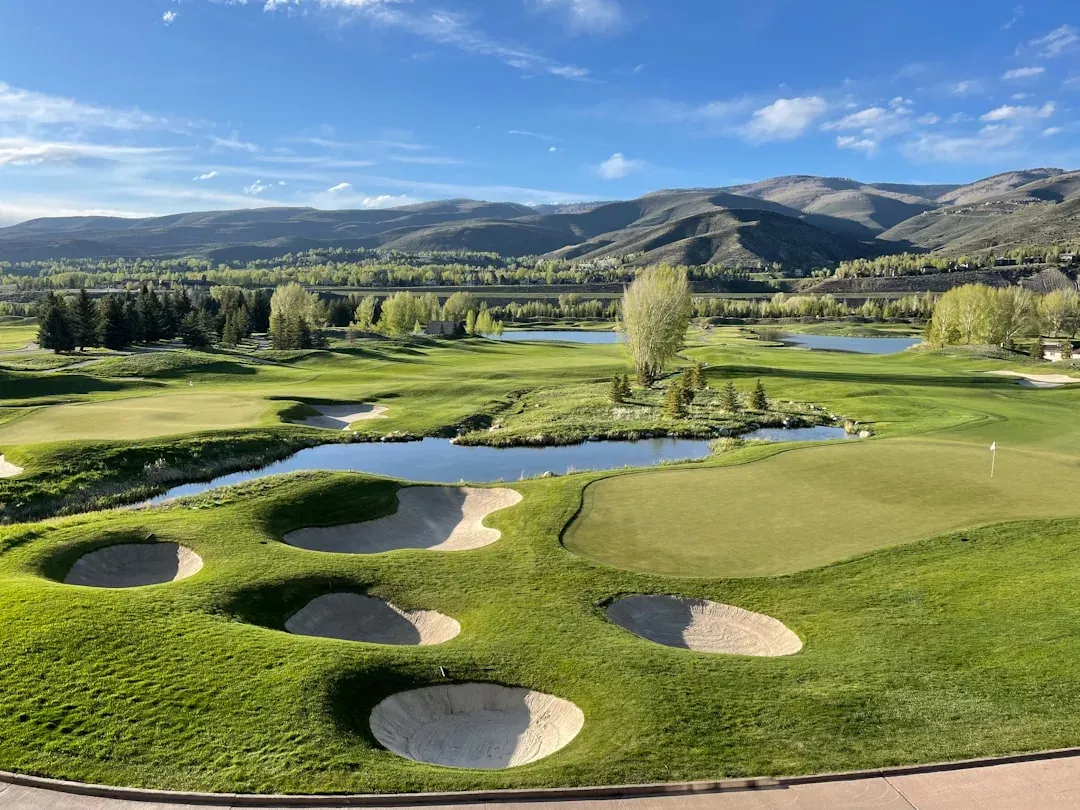
Golf arrived on Mallorca with tourism, and the courses tell the story of the coast. Some older layouts wind between resort villas; others were laid out later on old farm estates, with almond, carob and olive trees left standing beside the fairways. Few are flat. The terrain is rolling or frankly hilly, the rough is often rocky Mediterranean scrub, and the wind off the sea plays its part on most days.
Variety is a large part of the appeal. In a single week you might play a tight, tree-lined course where accuracy counts for more than length, an open layout where the breeze decides the score, and a hilly round with blind shots over valleys and long views down to the coast. Each area has its own feel, and the island is small enough to sample several.
Most courses welcome visiting players, and many golfers play three or four different ones in a week. Because they are spread around the island, it pays to think of them in groups and to plan your rounds around your base rather than criss-crossing Mallorca every morning. The drive times tool helps you judge the distances.
Calvià, the south-west and the hills above Palma
The largest cluster lies west of Palma, in the municipality of Calvià and on towards Andratx. Here courses sit in valleys and on slopes behind the resort towns of the south-west, with pines framing the fairways and glimpses of the sea from the higher tees. If you are staying in the south-west, several are within a short drive of each other, and you could play a different one every day without spending long in the car.
Closer to the city, a handful of courses climb the slopes just north of Palma into the foothills of the Tramuntana, with views back over the bay towards La Seu. They are the nearest to the airport and suit a short break built around the capital: an early round, then lunch in town and an afternoon among the old streets.
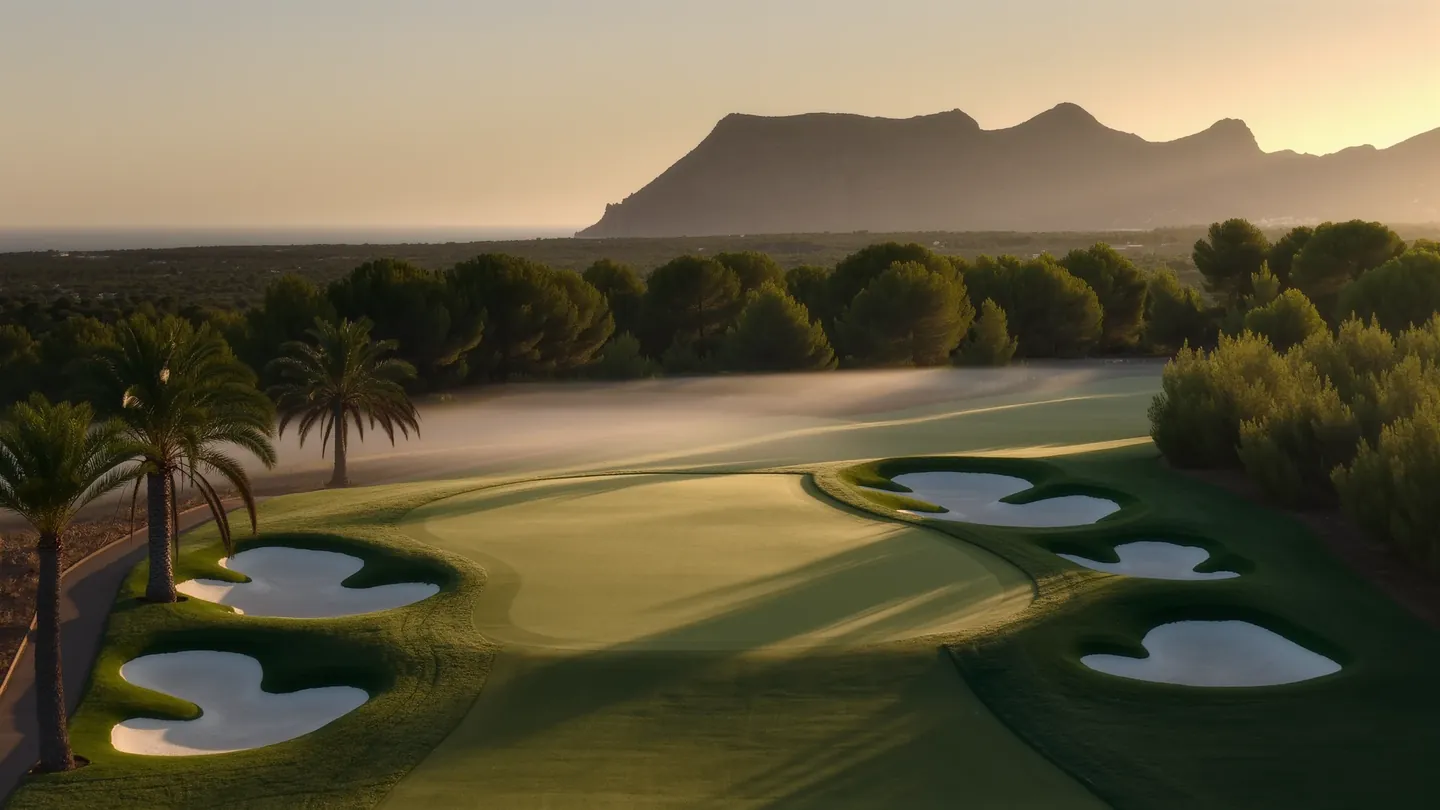

The south and south-east
South-east of Palma, near Llucmajor and the eastern shore of the Bay of Palma, the land is flatter and drier. The courses here are more open, with low stone walls, wide skies and a breeze that is rarely absent, so club selection matters more than it first appears. They are also within easy reach of the airport, which makes them convenient for the first or last day of a trip.
Further along the south-east coast, a couple more courses sit in the countryside near Santanyí and Portocolom. This is a quieter corner of the island, good for golfers who want to pair their rounds with the calas of the south-east and the market towns inland.
The east and the north
The north-east corner of the island, around Capdepera, Canyamel and Son Servera, has a group of courses set among hills, pine woods and old farmland. Out of the summer months this part of the coast is quiet, and the courses pair naturally with the coves around Cala Ratjada, the old hill town of Artà and the walled sanctuary above it.
In the north, there are courses near Alcúdia and Pollença, set between the mountains and the bays: one beside the sea on the Alcúdia side of the Bay of Pollença, another in the hills near Pollença with the Tramuntana as a backdrop. Both suit a stay in the north that mixes golf with walking, cycling and the beaches.
When to play
The best months for golf run from October to May. Autumn brings warm, settled days and a sea still pleasant enough for a swim after the round. Winter offers many mild, bright days between spells of rain and wind, and the courses are at their greenest. Spring is the busiest golfing season of all: March, April and May combine long light with comfortable temperatures, and the best morning tee times go quickly, so book them well ahead. January and February can bring a cold snap and a hard north wind, but they also bring the almond blossom, which turns the countryside around many courses white and pale pink.
Wind is the island's real hazard. A sea breeze builds on most afternoons from spring to autumn, so morning rounds tend to be calmer as well as cooler, while in winter a northerly can make a familiar hole play a club or two longer. Check the forecast the evening before and choose your course accordingly: a sheltered valley layout on a windy day, an open coastal one when the air is still.
Summer golf is possible, but the heat is serious. From June to September most golfers take the first tee times of the day, finish before the worst of the midday sun and drink far more water than they expect to. Fairways and greens play firmer and faster in the dry months. The month-by-month planner shows how temperature and crowds shift through the year.
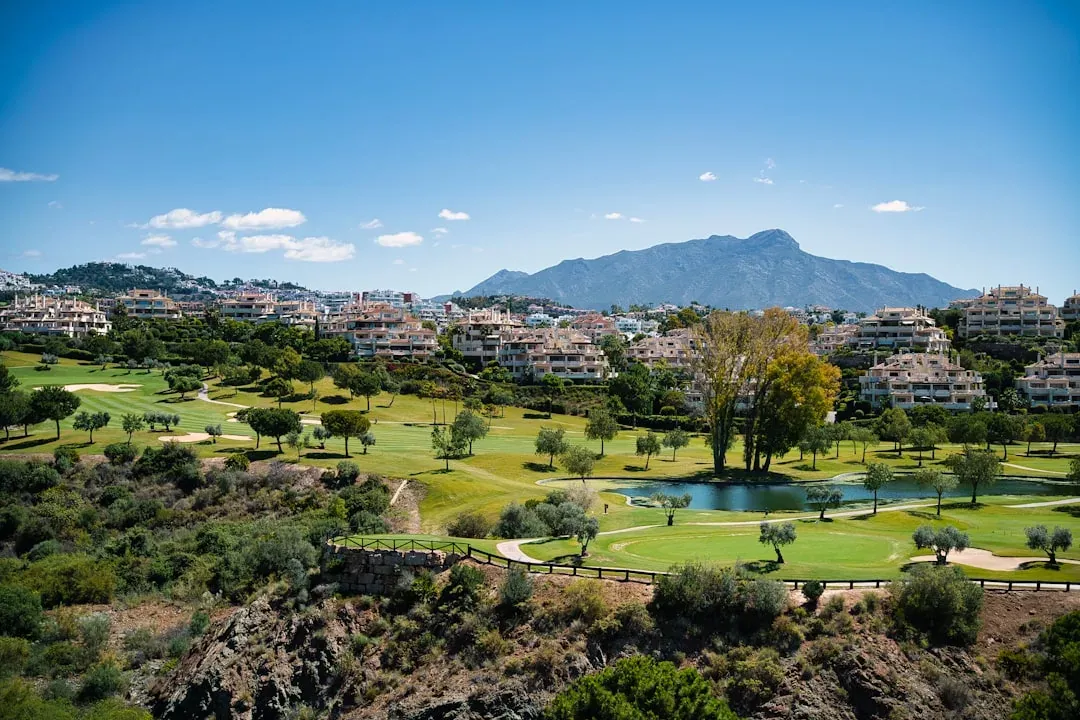
Handicaps, bookings and the practical side
Most courses ask to see a valid handicap certificate from a recognised golf federation before you tee off, and some set an upper handicap limit for visitors. Carry proof with you, on paper or on your phone, and check each course's rules when you book. Courses also carry out routine work on their greens at certain times of year, so if you are planning a week around one course, ask whether any maintenance falls during your stay.
Book tee times in advance in spring and autumn, especially for weekends and mornings. On the hillier courses a buggy is worth considering, as walking between some greens and tees involves real climbs. Dress codes are the familiar ones. Many golfers bring their own clubs; others hire on site. If you are travelling with clubs, allow extra time at the airport on busy spring weekends, when golf bags arrive by the dozen.
Golf and the rest of the island
The pleasure of golf on Mallorca is how easily it fits into a wider trip. Mornings for golf, afternoons for the island: from the south-west, a round can be followed by an afternoon in Palma or a drive to Port d'Andratx; from the east, by a swim in a cala or the Tuesday market in Artà; from the north, by the old town of Pollença or the road to Formentor.
Non-golfing partners will not be short of things to do, from walks in the Serra de Tramuntana to beaches, markets and museums. Choose a base near one group of courses, and read choosing a base in Mallorca to see how the areas compare beyond the fairways.
Key points
- Mallorca has around twenty golf courses, spread from Calvià and the hills above Palma to the east and the north.
- The best months for golf run from October to May; spring is the busiest season for tee times.
- In summer, book the earliest tee times and carry plenty of water: the heat builds fast by late morning.
- Most courses ask for an official handicap certificate, and some set a maximum handicap for visitors.
- Base yourself near one group of courses and pair morning rounds with afternoons exploring the island.
Questions
How many golf courses are there on Mallorca?
Around twenty, spread across the island. The largest group lies in Calvià and the south-west, with others in the hills above Palma, in the south near Llucmajor, in the east around Capdepera and Canyamel, and in the north near Alcúdia and Pollença. Most welcome visiting players.
Do I need a handicap certificate to play?
At most courses, yes. Expect to show a valid handicap certificate from a recognised golf federation when you check in, and some courses set an upper limit for visitors. Carry proof with you, digital or on paper, and check each course's requirements when you book your tee time.
What is the best time of year for golf in Mallorca?
October to May. Autumn is warm and the sea is still pleasant, winter has many mild, bright days, and spring is the peak golfing season, with green courses and long light. In summer golf is possible, but it is only comfortable at first light or late in the day.
Can I combine golf with a family or beach holiday?
Easily. Most courses are within a short drive of the coast, and a morning round leaves the afternoon free for the beach, a village market or a walk. Choose a base near one group of courses so that you spend more time playing and less time driving.
Official sources
- Real Federación Española de Golf
- Federació Balear de Golf
- AEMET
Published 19 October 2026 by the editors of island mallorca. Facts were checked in autumn 2026; rules, timetables and access can change.