Choosing your base on Mallorca
Mallorca looks small on a map, and in a sense it is: almost everywhere lies within about an hour of Palma. Yet the island divides into regions with very different moods, from the cafés and galleries of the capital to the stone villages of the mountains and the long sandy bays of the north. Where you sleep decides what you see on a slow morning, how often you sit in the car and how the evening ends. Choose the base first, then the house.
Palma and the bay: city life in every month
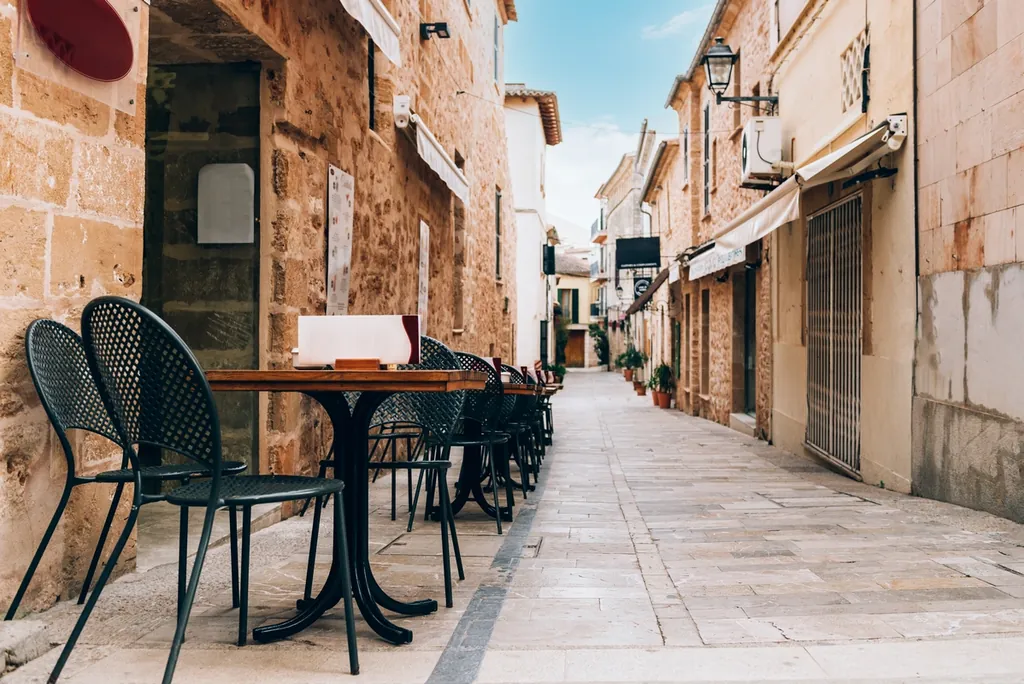
Palma is the one base on the island that behaves the same in January as in June. Its markets, galleries, theatres and restaurants serve a city of residents, so very little closes for the winter. From the old town you can walk to the harbour and the sea wall below La Seu, and the airport is about 15 minutes away outside peak traffic.
The trade-off is space and silence. Old town streets are narrow, parking is scarce and summer nights can be loud. A city base suits short breaks, travellers without a car and anyone who prefers a morning in a museum to a day on a sunbed. Many visitors use Palma for the first or last nights of a longer trip, which also makes early flights painless.
The southwest marinas and the Tramuntana villages
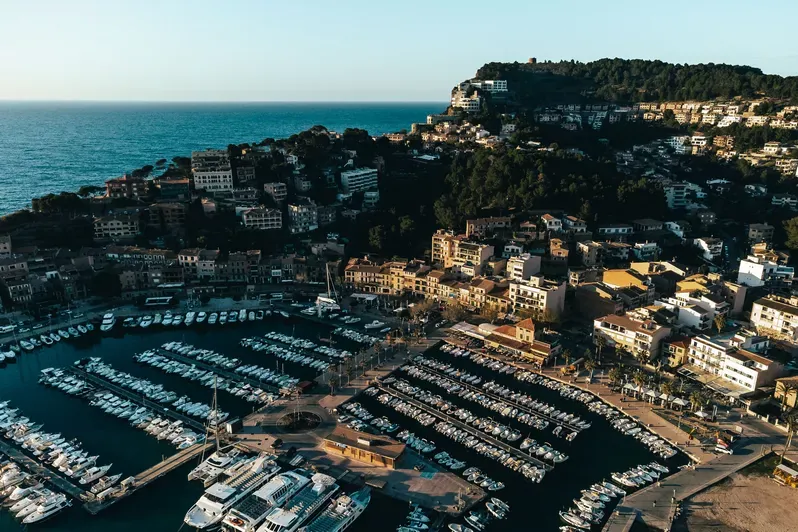
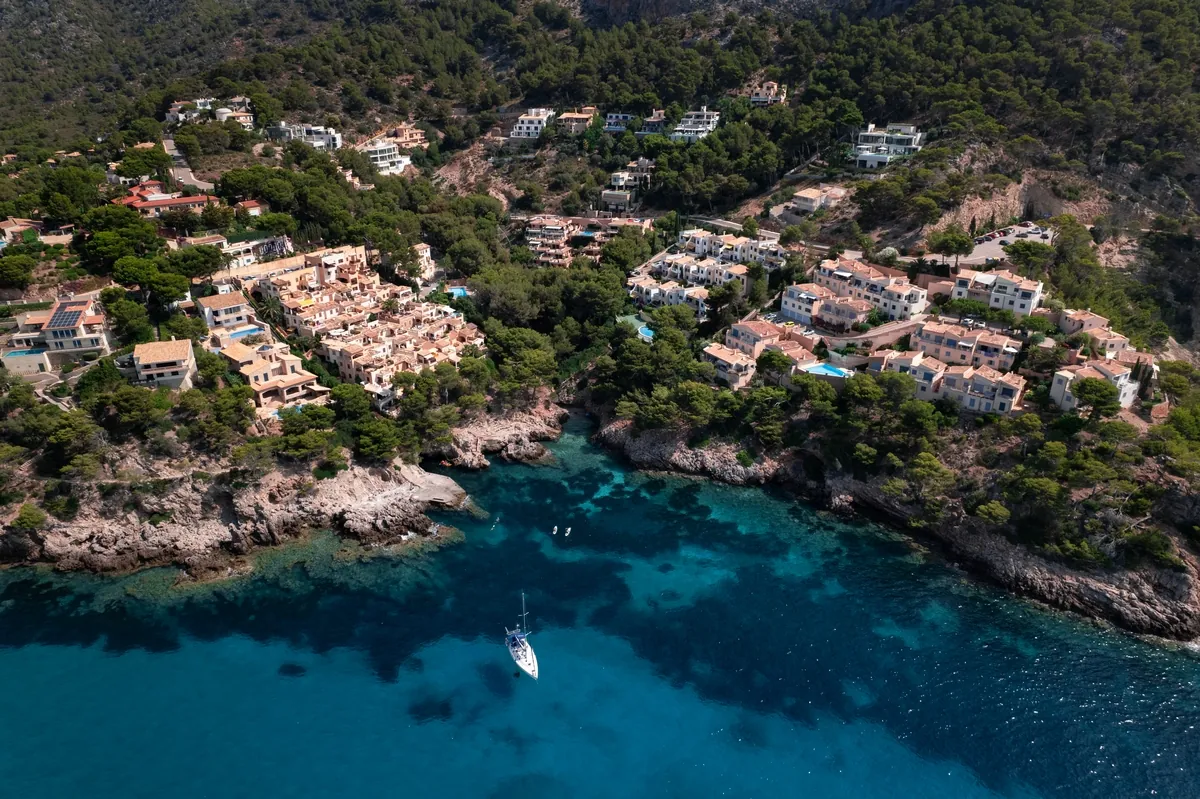
The southwest, around Andratx and Calvià, is the island's sailing coast. Harbours such as Port d'Andratx and Puerto Portals have waterfront promenades, a polished dining scene and coves sheltered from the north. It is the easiest region for anyone who wants a boat, a sea view and Palma within reach. In high summer it is also busy, and some hillsides are densely built.
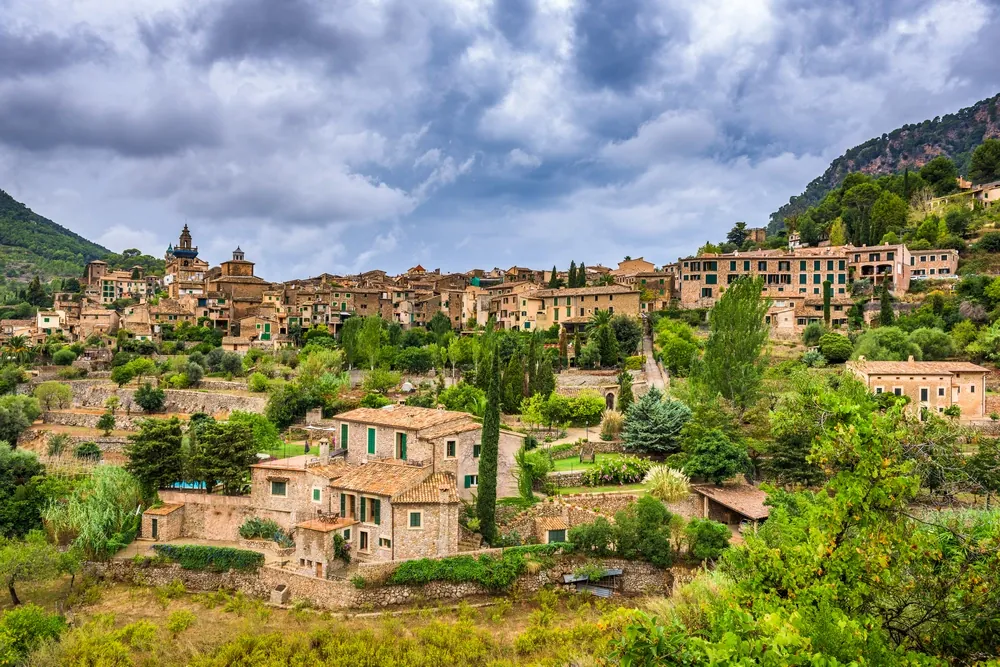
Further north, the Serra de Tramuntana, a UNESCO World Heritage cultural landscape since 2011, offers something else: stone villages such as Valldemossa, Deià, Sóller and Fornalutx, terraced olive groves and paths that start at the front door. Evenings are cooler and the views are long. Roads are steep and winding, the coast is mostly pebble coves reached by narrow lanes or on foot, and village parking fills quickly. Choose the mountains for walking, reading and slow lunches, not for daily beach trips.
The north: bays for families and walkers
The bays of Pollença and Alcúdia are the classic family base. Long sandy beaches shelve gently into shallow water, the promenades are flat enough for prams and bicycles, and the ports have the everyday shops that make self-catering easy. Pollença town, a few kilometres inland, adds a Sunday market, the Calvari steps and a square lined with cafés.
Walkers like the north for the same reasons. The Formentor peninsula, the Tramuntana foothills and the wetlands of S'Albufera are all close, and spring brings ideal light and temperatures. Alcúdia is about 45 minutes from the airport and Pollença about 50, outside peak traffic, mostly on the motorway. Both bays open to the north-east, so on a day of fresh Gregal or Llevant wind the beaches of the south and west are often calmer.
The quiet east and the beaches of the south
The east, from Artà and Capdepera down the Llevant coast, is the island at a slower pace. Small coves cut into low limestone cliffs, the market town of Artà climbs to a hilltop sanctuary, and the countryside between them is open and green in spring. There are resorts, especially around Cala Ratjada, but the interior keeps a rural rhythm. At about an hour or more from Palma, it suits people who want to stay put rather than tour.
The south, around Santanyí, Ses Salines and Campos, is the coast of pale sand and turquoise water: Es Trenc, the coves of the Mondragó natural park, Caló des Moro. Santanyí, built of honey-coloured stone, and the fishing harbour of Cala Figuera both make good bases. The land is flat and sunny, there is little shade in July, and the best-known beaches are crowded at midday in summer. Early mornings and the shoulder seasons show the south at its best.
Es Pla: fincas and wine villages
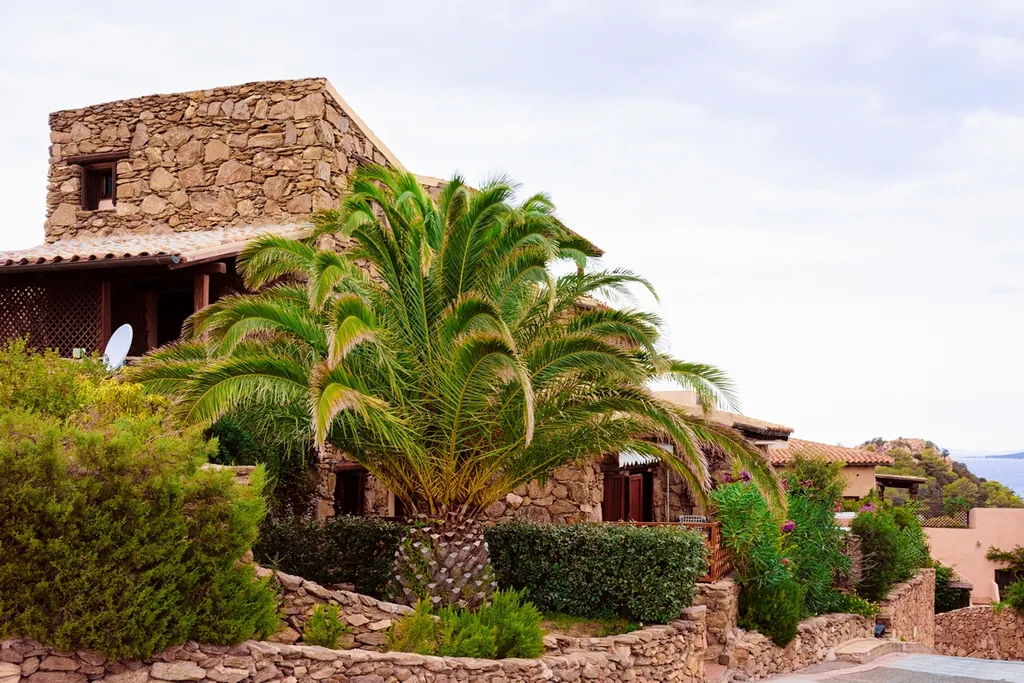
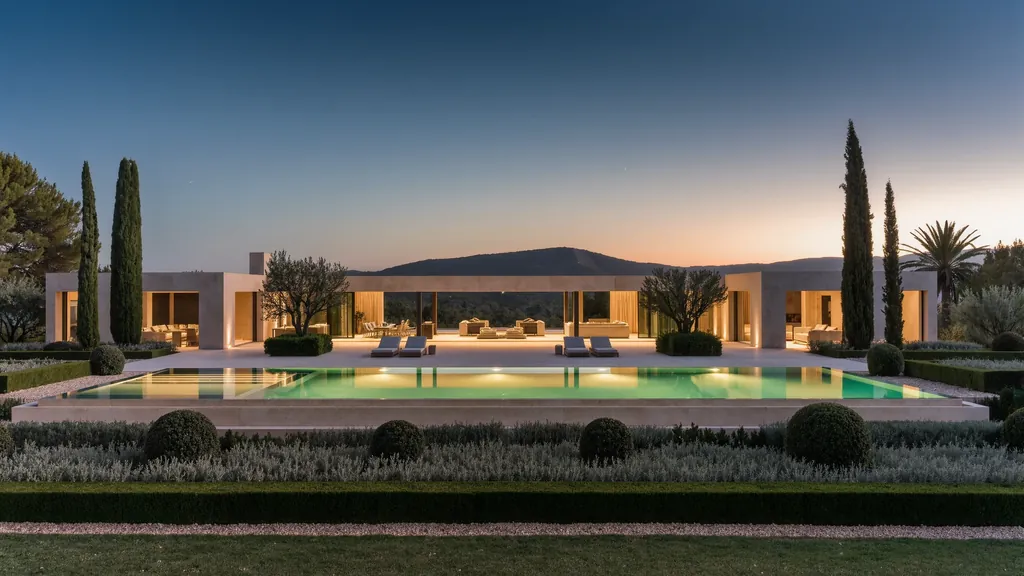
Es Pla, the central plain around Inca, Sineu and Binissalem, is the part of the island most visitors only drive across. It is farming country of almond and carob trees, old windmills and dry-stone walls, with market towns that have kept their weekly rhythm. Binissalem gives its name to one of the island's two wine denominations of origin, and plenty of rural hotels and rental fincas stand on the plain, often with large gardens and views to the mountains. If you plan to rent a house, read our guide to renting a villa first.
The centre is the practical choice for a long stay. From the airport, Binissalem is about 25 minutes away and Sineu about 35, outside peak traffic, and most coasts can be reached within the hour. Evenings are quiet, summers are hotter than on the coast and every beach day starts in the car. In return you get space, wine villages, weekly markets and a daily life that feels local. For the character of each region in more depth, see Mallorca's regions explained.
How drive times shape a stay
Distances on Mallorca are short, but time on the road adds up. The main roads run out of Palma like spokes, while the coasts are linked by slower country and mountain roads. A house that looks central on the map can be 40 minutes from the nearest good beach once you follow the lanes. Before booking, check realistic times with our drive times tool, and remember that summer traffic around Palma and the big resorts can stretch them considerably.
A useful rule: plan no more than one long drive a day, and choose a base within half an hour of whatever you will do most often, whether that is a marina, a golf course or a mountain trailhead. From the airport, outside peak traffic, the round figures look like this:
- Palma 15 minutes, Puerto Portals 20, Binissalem 25
- Valldemossa 30, Port d'Andratx and Sóller (via the tunnel) 35
- Alcúdia, Deià, Santanyí and Colònia de Sant Jordi about 45
- Pollença 50, Lluc 55, Artà 60
- Cala Ratjada 70, and Formentor about 75 (at busy times in summer the last stretch to the lighthouse is closed to private cars)
Two bases, and the right season
On a stay of ten days or more, two bases often work better than one. A classic pairing is a few nights in Palma followed by a week in the mountains or the north; another is the Tramuntana for walking, then the south for beaches. Each move costs half a day, so split the stay only when the two halves are genuinely different, and keep the route simple: city to country, or west to east, never back and forth.
The season changes the answer. In July and August the coast is at its busiest and the interior at its hottest, so a sea breeze and a pool matter more than a view. From November to March many coastal resorts largely shut down, while Palma, Sóller, Pollença and the market towns stay alive: a winter base belongs in a town, not a resort. Spring and autumn suit every region. Our guide to the best time to visit goes month by month.
Key points
- Palma is the one base that works equally well in every month, with or without a car.
- The southwest suits sailors and sea views; the Tramuntana suits walkers and readers, not daily beach trips.
- The northern bays offer shallow sandy beaches and flat promenades, ideal for families and spring walkers.
- Choose a base within half an hour of what you will do most, and plan no more than one long drive a day.
- On stays of ten days or more, two contrasting bases often beat one; in winter, pick a town over a resort.
Questions
What is the best area to stay in Mallorca for a first visit?
For a first week, a base in or near Palma, or in the Tramuntana around Sóller, gives the widest range: city, mountains and sea are all within reach. Families who want easy sandy beaches usually do better in the north, around the bays of Pollença and Alcúdia.
Do I need a car if I stay in Palma?
Not for the city itself, which is best explored on foot, by bus and by taxi, and buses and trains also reach many towns. For coves, mountain villages and the east coast a car gives far more freedom, so many visitors hire one for a few days rather than the whole stay.
Is it worth splitting a holiday between two places?
On a stay of ten nights or more it often is, provided the two bases are genuinely different, such as Palma and the north, or the mountains and the south. On a short break the half day lost to packing and moving usually outweighs the gain.
Where should I stay on Mallorca in winter?
Choose a place where people live all year: Palma, Sóller, Pollença, Santanyí or one of the market towns of the centre. Many coastal resorts close from late autumn until spring, so a winter base in a resort can feel deserted, with few restaurants or shops open.
Official sources
- Consell de Mallorca
- Govern de les Illes Balears
- UNESCO World Heritage Centre
Published 19 October 2026 by the editors of island mallorca. Facts were checked in autumn 2026; rules, timetables and access can change.