Renting a villa on Mallorca
A rented house is how many people first fall for Mallorca: long breakfasts on a terrace, a pool under the carob trees, a kitchen full of market fruit. It is also where most holiday disappointments begin, usually with a detail nobody checked. The Balearic Islands regulate holiday letting closely, and a few simple questions separate a legal, well-run house from a risky one. Here is what to look for, roughly in the order you will need it.


The tourist registration number
Every legal holiday rental in the Balearic Islands needs a tourist registration number, and the law requires that number to appear in every advert, whether on a booking platform, an agency's listing or a printed brochure. It shows that the property has been declared to the tourism authorities for holiday letting, with a set number of guest places.
Treat a missing number as a warning sign. Unregistered lets are illegal, the authorities pursue them, and an illegal booking leaves you with little protection if something goes wrong. Check that the house you are booking shows the number in its own listing, and that your party does not exceed the capacity it is registered for. If an advert is vague, ask directly; a genuine host answers without hesitation.
Palma and holiday flats
Palma has its own, stricter rules. The city council has banned holiday letting in apartment buildings, so a city flat offered for a week's holiday should make you cautious, however attractive the photographs. Only certain houses may be let to holidaymakers in the city, and hotels, including the small town-house hotels of the old town, are a separate matter altogether. Longer lets for work or study fall under a different legal framework, and a seasonal contract is no substitute for a tourist registration when the real purpose is a holiday.
Elsewhere on the island the rules on holiday lets in apartment blocks are also strict, and the regulations have tightened in recent years. That makes the registration number even more important for a flat than for a house. If you want a city stay, our guide to luxury stays looks at the town-house hotels in Palma's old mansions.
Location, access and the road in
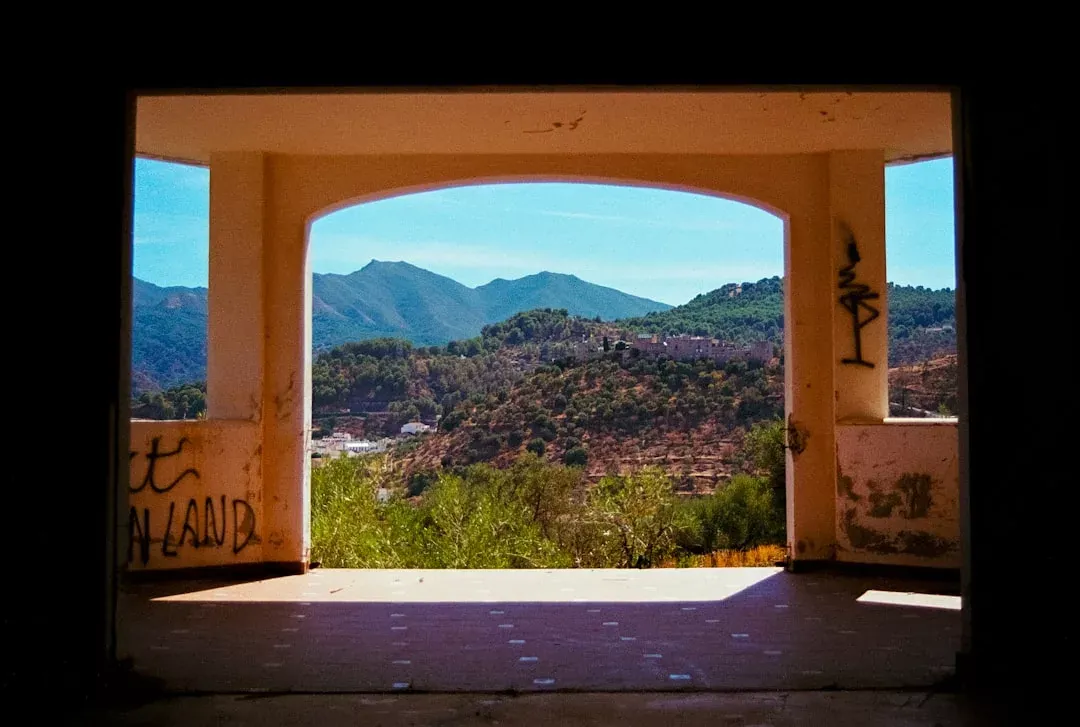
Photographs show the pool; a map shows the life around it. Before booking, find the exact location, not just the nearest village, and study it on a satellite view. Note how far it is to a supermarket, a bakery and a beach, and whether those distances are walkable or mean a drive every time. Our drive times tool shows how long the trips you have in mind will really take, and our guide to choosing your base explains how each region suits a different kind of stay.
The access road deserves its own question. Many rural houses are reached by narrow lanes between dry-stone walls, or by unpaved tracks that are dusty in summer and rutted after rain. They are part of the charm, but less so in a wide hire car, late at night, after a long flight. Ask whether the last stretch is paved, whether there is parking for every car you will bring, and how the gate opens. Look, too, for anything nearby that might be noisy: a main road, a flight path towards the airport, or a village square that hosts summer fiestas.
Pool, cooling and comfort
Inside and around the house, a few checks matter more than the décor. Ask for recent photographs of the bedrooms and the pool area, not only the terrace at sunset, and read guest reviews for mentions of noise, insects, heat or damp.
- Pool safety: ask whether the pool is fenced or covered and whether the gate locks, especially if you travel with small children.
- Pool and sun: a pool in shade by mid-afternoon stays cold in spring and autumn; ask whether it is heated.
- Air conditioning: confirm which rooms have it. In July and August, bedrooms without it can be hard to sleep in, particularly inland.
- Heating: for stays between November and April, ask how the house is heated, since stone houses can be cold and damp.
- The small things: reliable Wi-Fi, mosquito screens, outdoor lighting, and a shaded table for lunch.
Saturday changeovers and arrival
In high season most villas are let by the week, and changeover day is very often Saturday. That means cleaners racing between houses, a fixed check-out in the morning and check-in in the afternoon, and roads and car hire desks at their busiest. A morning flight can leave you with hours to fill, so plan a long lunch on the way, or a visit to one of the Saturday markets in Sóller, Santanyí or Cala Ratjada; our market days tool lists them by weekday.
If you can choose your flights, avoid arriving in the evening rush hour around Palma and on the main roads out of the city, especially in July and August. Arriving after dark on an unfamiliar rural lane is the other thing to avoid: ask for a pin on a map, a description of the gate and a contact who answers on arrival day. Outside the high season, many owners are more flexible about arrival days and shorter stays.
Deposits and contracts
Terms vary between owners and agencies, but the pattern is familiar: a booking deposit to secure the dates, the balance some weeks before arrival, and a refundable security deposit held against breakages. Ask for a written contract or booking confirmation that names the property, the dates, the number of guests, the cancellation terms and exactly what is included: cleaning, linen, towels, pool and garden care, heating and air conditioning. Ask, too, what happens if the pool pump or the air conditioning fails: who to call, how quickly someone comes, and how a lost day is handled.
Pay by traceable methods, keep every message in writing, and be wary of any last-minute request to send money to a different or private account. On arrival, note any existing damage and photograph it, so the security deposit comes back without discussion.
The sustainable tourism tax
On top of the rent, the Balearic Islands charge a sustainable tourism tax, levied per person and per night on stays in tourist accommodation, holiday rentals included. The amount depends on the type of accommodation and the time of year, and children under 16 are exempt. The host or agency collects it, sometimes within the total price and sometimes separately, often on arrival.
Ask before you book whether the price you see already includes it, so the final bill holds no surprises. The revenue goes into a fund for projects on the environment, heritage and sustainable tourism across the islands, which is why the tax carries the word sustainable in its name.
Key points
- Every legal holiday rental must show its tourist registration number in every advert; no number, no booking.
- Palma has banned holiday letting in apartment buildings, so treat city flats offered for holidays with caution.
- Check the exact location, the last stretch of road, the pool fence, air conditioning and the distance to shops.
- High-season villas usually change over on Saturdays; avoid arriving in the evening rush or after dark.
- Expect a booking deposit and a security deposit, plus the sustainable tourism tax, charged per person and night.
Questions
How do I know if a holiday rental on Mallorca is legal?
Look for the tourist registration number, which must appear in every advert for a legal holiday rental in the Balearic Islands. If it is missing, ask the owner or agency for it. A reluctant or evasive answer is reason enough to look elsewhere.
Can I rent a holiday flat in Palma?
Palma's city council has banned holiday letting in apartment buildings, so flats in the city offered for short holiday stays are, as a rule, not legal. For a city stay, a hotel or a properly registered house is the safer choice.
Is the tourism tax included in the rent?
Sometimes. The sustainable tourism tax is charged per person and per night and collected by the host or agency, either within the total price or separately, often on arrival. Children under 16 are exempt. Ask before booking so the final bill holds no surprises.
Why do most villas change over on Saturdays?
Weekly lets with a fixed changeover day keep cleaning, laundry and maintenance manageable for owners and agencies in the busiest months. Outside July and August many are more flexible about arrival days and shorter stays, so it is worth asking if your dates do not fit.
Official sources
- Govern de les Illes Balears
- Consell de Mallorca
- Ajuntament de Palma
- Agència Tributària de les Illes Balears
Published 19 October 2026 by the editors of island mallorca. Facts were checked in autumn 2026; rules, timetables and access can change.