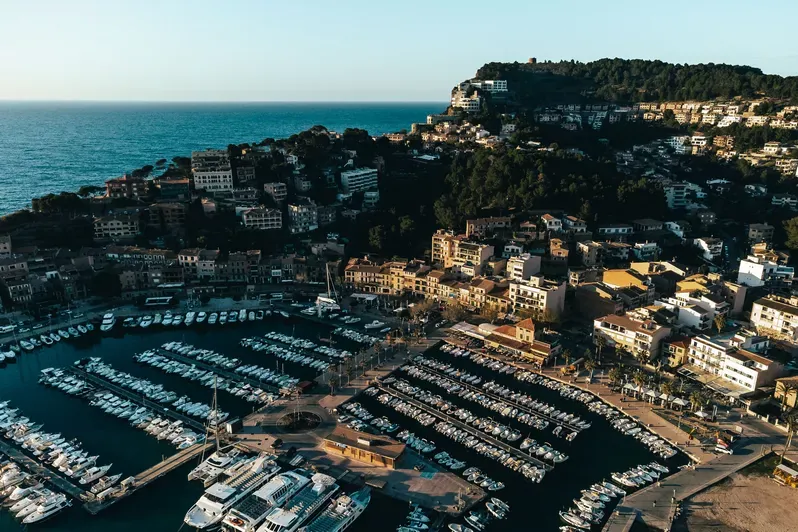
Living on Mallorca year round
Many people meet Mallorca in August and decide to stay. The island they go on to live on is a different place. From November the resorts close, the light softens, rain comes in sudden bursts and the island returns to the people who live here. Life turns local: the weekly market, the baker who knows your order, the village feast in January. This guide looks at the resident year, the towns that keep their pulse, and the practical lessons of a first winter.
The rhythm of the resident year
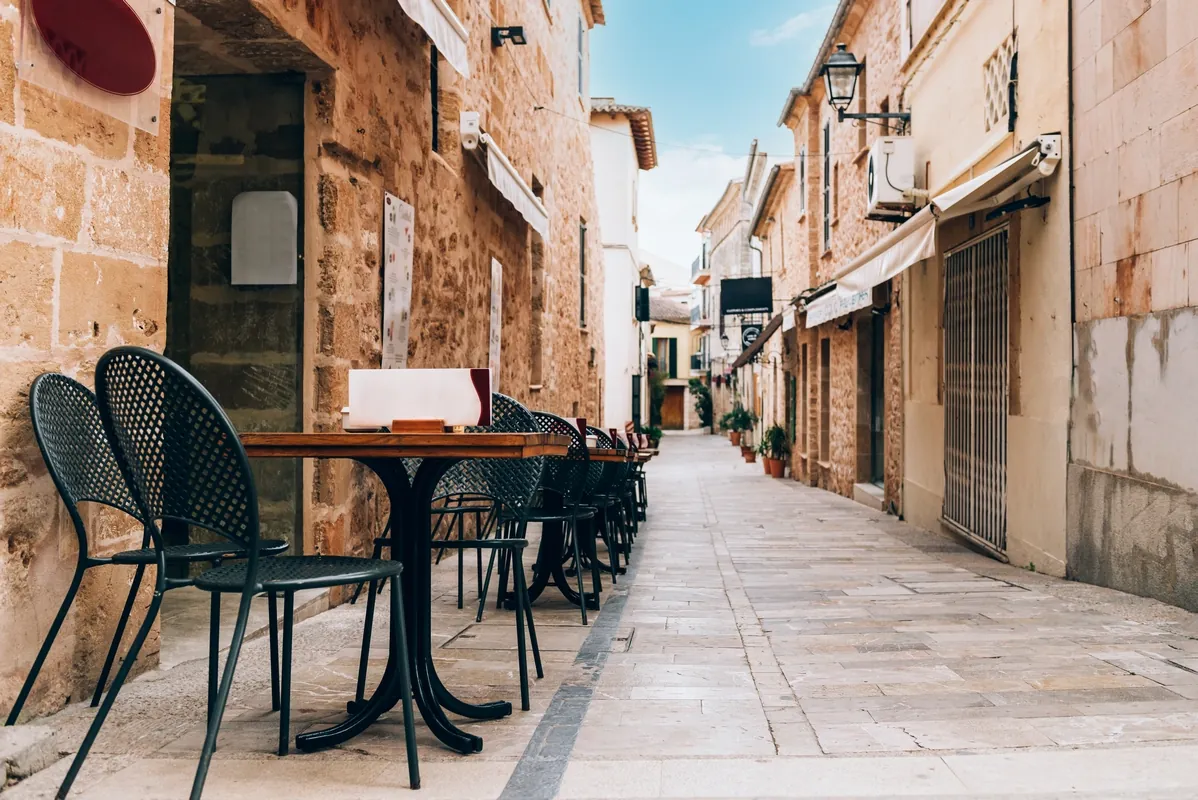
The island runs on two clocks. From late spring to October tourism sets the pace: traffic, full beaches, tables booked days ahead and a working population stretched thin. From November to March much of the coast closes and the island exhales. Roads empty, the mountain paths are yours, and the calendar fills with local fixtures instead: the matances, the traditional pig slaughter feasts of the cold months, the bonfires and animal blessings of Sant Antoni on 16 and 17 January, and the almond blossom that whitens Es Pla in late January and February.
The winter quiet is both the best and the hardest part of island life. Some newcomers love it from the first year; others find that a seaside village of shuttered hotels feels lonely by February. Spend at least one winter in the place you have in mind before you buy there. Our guide to festivals and traditions follows the year from Sant Antoni to the autumn fairs.
Towns that stay alive
Where you live decides how much of that quiet you get. Palma is a real Mediterranean city, with culture in every month, the island's main hospitals and most of its international schools, an airport with flights to the mainland and much of Europe all year, and neighbourhoods of very different character. Sóller has a strong local life in its own valley, with the tunnel to Palma and the old railway. Pollença keeps its square, its cafés and its Sunday market busy through the winter, and is the natural centre of the north.
In the south, Santanyí stays lively thanks to its Wednesday and Saturday markets and a large international community living in and around the town. In the centre, Inca is a working town with a train line to Palma, a Thursday market and the great autumn fair of Dijous Bo in November, while smaller places such as Sineu and Binissalem combine village life with quick access to Palma by road or rail. Resorts built purely for tourism, by contrast, can be almost empty for months.
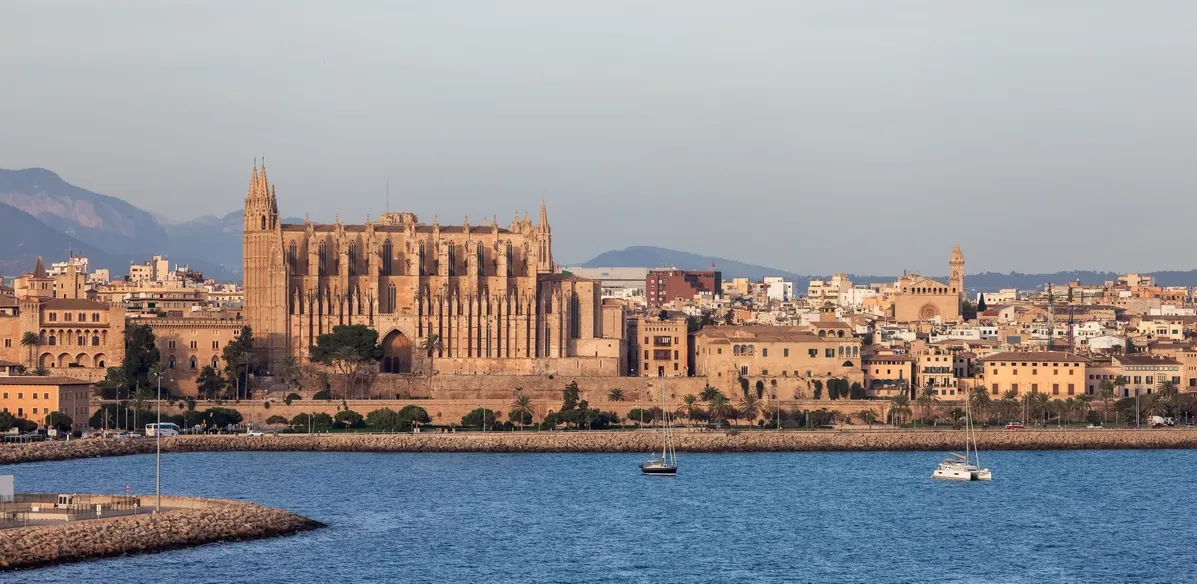
Catalan, Spanish and Mallorquí
Catalan and Spanish are both official languages in the Balearic Islands. Mallorquí is the island's own variety of Catalan, recognisable by its distinctive articles, es and sa rather than el and la, which you will hear in place names such as Es Trenc and Sa Calobra. In Palma you will hear a great deal of Spanish; in the villages, Mallorquí is often the language of the market, the town hall and the café counter.
Signs and local government documents are mostly in Catalan, often alongside Spanish. Many foreign residents start with Spanish because it works across the whole country, then pick up Catalan through daily life and their children's schooling. Adult education centres and the public language schools offer courses in both. A greeting in Mallorquí at the baker's or the town hall costs nothing and is always noticed.
Paperwork in principle
The details depend on your nationality and change from time to time, so treat this as an outline and check the current rules with the official offices. Almost everyone starts with the NIE, the foreigner's identification number, which you need to buy property, sign contracts, connect utilities and pay taxes. Registering on the padró, the municipal register at your town hall, is another early step and opens the door to many local services.
Citizens of the European Union who stay longer than three months register as residents and receive an EU registration certificate. Citizens of other countries, including British citizens since Brexit, need a visa suited to their circumstances before they move, for example one for people living on their own means, followed by a residence card once on the island. Without residency, they are limited to short stays of up to 90 days in any 180. Tax residence follows its own rules, and independent professional advice before a move is time well spent.
Schools and healthcare
Families have three broad options. Public schools teach largely in Catalan, with Spanish and English also on the timetable, and children who start young usually pick up both languages quickly. State-funded concertada schools, many of them religious, sit in between. International schools, teaching mainly in English and following British, international or other national curricula, are concentrated around Palma and the southwest, which shapes where many families choose to live.
Public healthcare is provided by IB-Salut, the Balearic health service. Residents who work or receive a state pension, and their families, register with a local health centre and receive a health card; others rely on private health insurance, which several visa routes require in any case. Palma has the main public hospitals, there are further public hospitals in Inca and Manacor, and pharmacies keep a rota so that one is always on duty nearby.
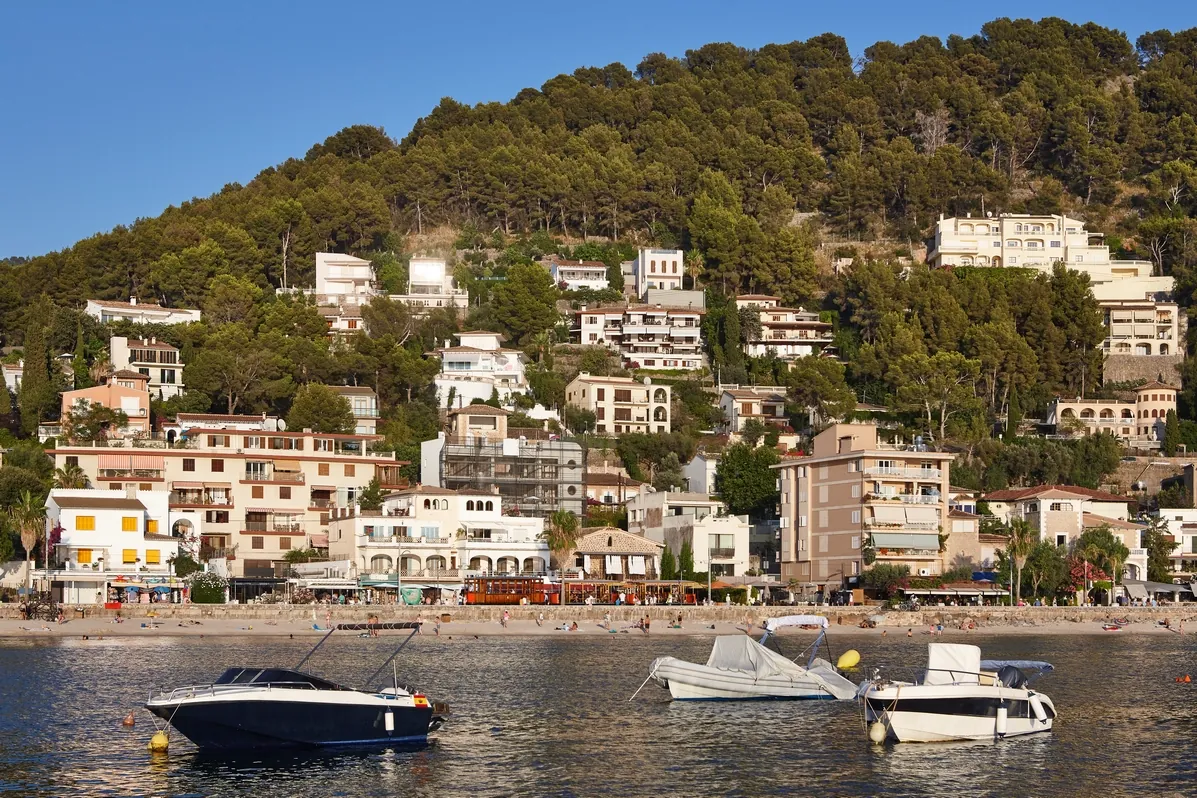
Winter damp and the well-heated house
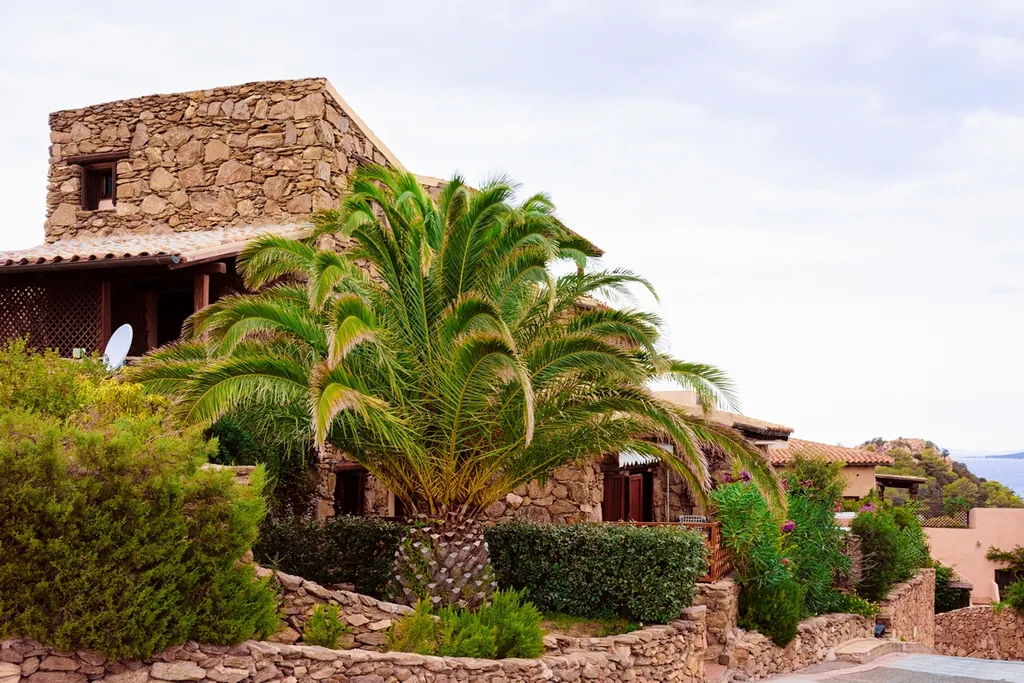
Mallorca's winters are mild by northern standards, but they still surprise newcomers. Island houses are built to stay cool, with stone walls, tiled floors and often little insulation, and near the sea the air can be very humid. A house that is delightful in June can feel cold and clammy in January, with mould on north-facing walls and laundry that never quite dries.
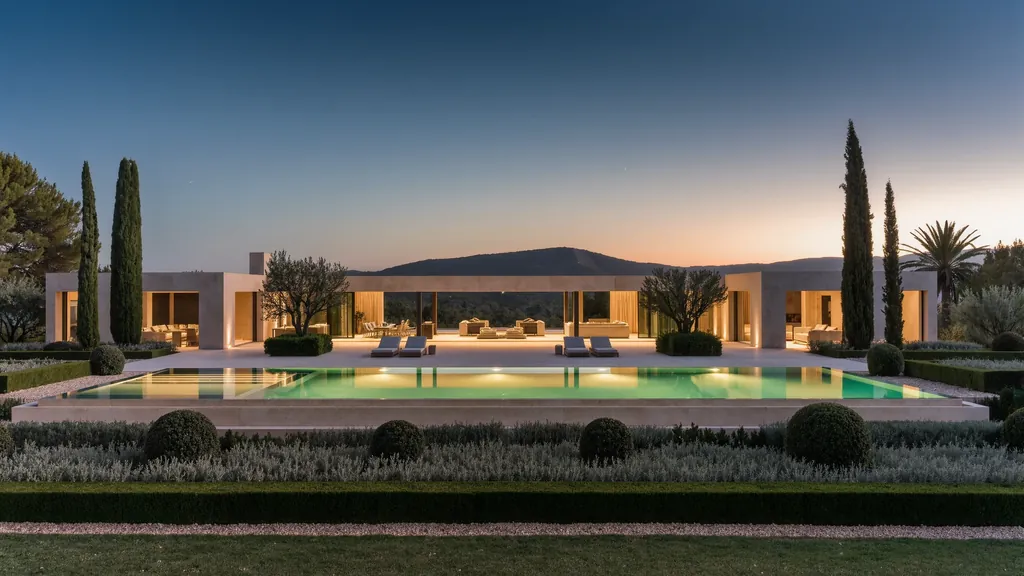
Plan heating as seriously as you plan the pool. Heat pumps that cool in summer and heat in winter, wood-burning stoves, underfloor heating and dehumidifiers are the usual answers, and good ventilation helps. Before you buy or sign a long lease, visit the property in winter, ideally after a few days of rain, and look closely at the corners of the rooms. Our guide to winds and weather explains the island's seasons in more detail.
Community, culture and the car
Belonging comes through repetition: the same market stall, the same café table, the village feast every year. Town halls run cultural programmes, music schools and sports clubs, and many villages have their own band, choir or dance group keeping the traditional ball de bot alive. Volunteering, language exchanges and local associations are the quickest routes to friendships beyond the foreign community. Palma adds concerts, theatre, public museums such as Es Baluard and the Fundació Miró Mallorca, and a busy gallery calendar.
Outside Palma a car is close to essential. Buses link the towns and the train runs from Palma to Inca, Sa Pobla and Manacor, but rural houses lie well beyond any stop. The motorway through the centre and the ring road around Palma are busy at rush hour, and the Ma-10 through the Tramuntana is slow at any time. Once you are resident, check the current rules on exchanging a foreign driving licence and registering a foreign car in Spain. Our guide to getting around covers roads, buses and trains.
Key points
- From November to March much of the coast closes; live where people live all year, not in a resort.
- Palma, Sóller, Pollença, Santanyí and Inca keep their markets, shops and social life through the winter.
- Catalan and Spanish are both official; Mallorquí is the local variety, and a few words open many doors.
- Start with the NIE and the padró; EU citizens register, non-EU citizens need the right visa before moving.
- Stone houses are cold and damp in winter: plan heating and dehumidifying as carefully as the pool.
Questions
Is Mallorca quiet in winter?
Along much of the coast, yes: many hotels, restaurants and shops in the resorts close from November until spring. Palma, Sóller, Pollença, Santanyí and the market towns of the centre stay alive, with weekly markets, festivals such as Sant Antoni in January and a resident social life.
Do I need to speak Catalan to live on Mallorca?
Not to get by, since Spanish is spoken everywhere and English is common in Palma and the main resident areas. Catalan, and its local variety Mallorquí, matters for school, local government and village life, and learning it is the surest way to be treated as a neighbour rather than a visitor.
What paperwork does a newcomer need?
Almost everyone needs an NIE, the foreigner's identification number, and should register on the padró at the town hall. EU citizens staying more than three months obtain a registration certificate; non-EU citizens, British citizens included, need a suitable visa before moving. Rules change, so check with the official offices.
Where are the international schools on Mallorca?
Most are in and around Palma and in the southwest, within easy reach of the city, which is one reason many international families live in that part of the island. Elsewhere, families usually choose local public or concertada schools, where children pick up Catalan and Spanish quickly.
Official sources
- Govern de les Illes Balears
- IB-Salut
- Policía Nacional
- Ajuntament de Palma
Published 19 October 2026 by the editors of island mallorca. Facts were checked in autumn 2026; rules, timetables and access can change.