Posidonia and the quiet rules of the beach
Most of what makes a Mallorcan beach beautiful is invisible from a towel: a meadow of seagrass offshore that keeps the water clear and the sand in place. Most of what keeps it beautiful is a handful of habits that islanders take for granted. None of them is complicated. Anchor on sand, leave the brown banks of dead leaves alone, keep off the dunes, take everything home and arrive early enough not to fight for space. Here is the reasoning behind each.
What Posidonia is
Posidonia oceanica is not a seaweed but a flowering plant, a seagrass found only in the Mediterranean. It grows in dense meadows on sandy bottoms in shallow water, its ribbon-like leaves rising from a mat of roots and stems that spreads extremely slowly, a matter of centimetres a year. A meadow torn up in an afternoon can take decades or longer to return.
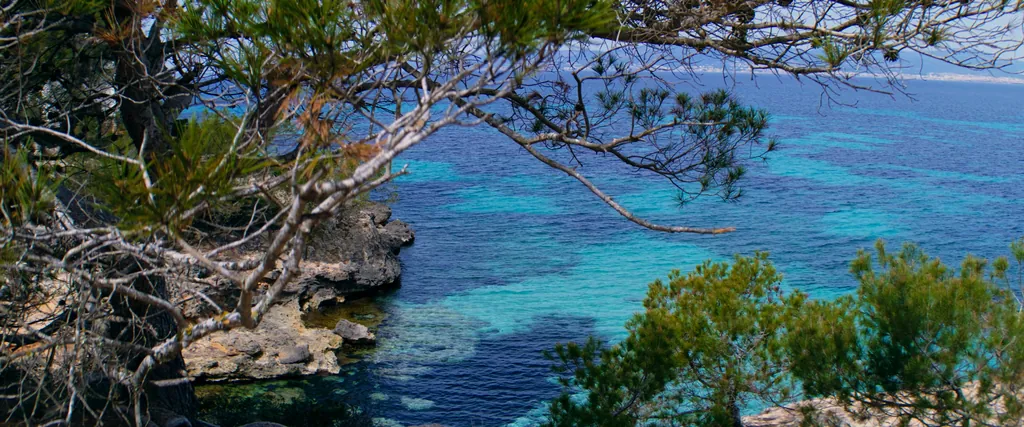
Its work is quiet and enormous. The meadows produce oxygen, filter the water and trap fine particles, which is why the sea above them is so transparent. They soften the waves before they reach the shore and hold the sea floor together. They shelter fish, octopus and a great many smaller creatures, and much of the life you see while snorkelling depends on them. From a boat or a cliff, Posidonia shows as the dark patches in the water; the pale patches are sand.
Why the banks of dead leaves stay
Every autumn the plants shed old leaves, and winter storms pile them on the beaches in brown, springy banks, sometimes a metre or more deep. They can look untidy, and they smell of the sea. They are also the beach's armour: they absorb the force of the winter waves, slow the loss of sand and, as they break down, return material to the shore. Mixed in with them you will find felt-like brown balls, old fibres rolled up by the waves.
That is why on many beaches the banks are left where they are, and why clearing them is regulated rather than routine. Do not dig them out or carry them off. If you want to lie on clean sand, walk on: there is almost always some. A beach with Posidonia on it is a healthy beach, and a sign that the meadow offshore is alive.
Anchoring: sand, not seagrass
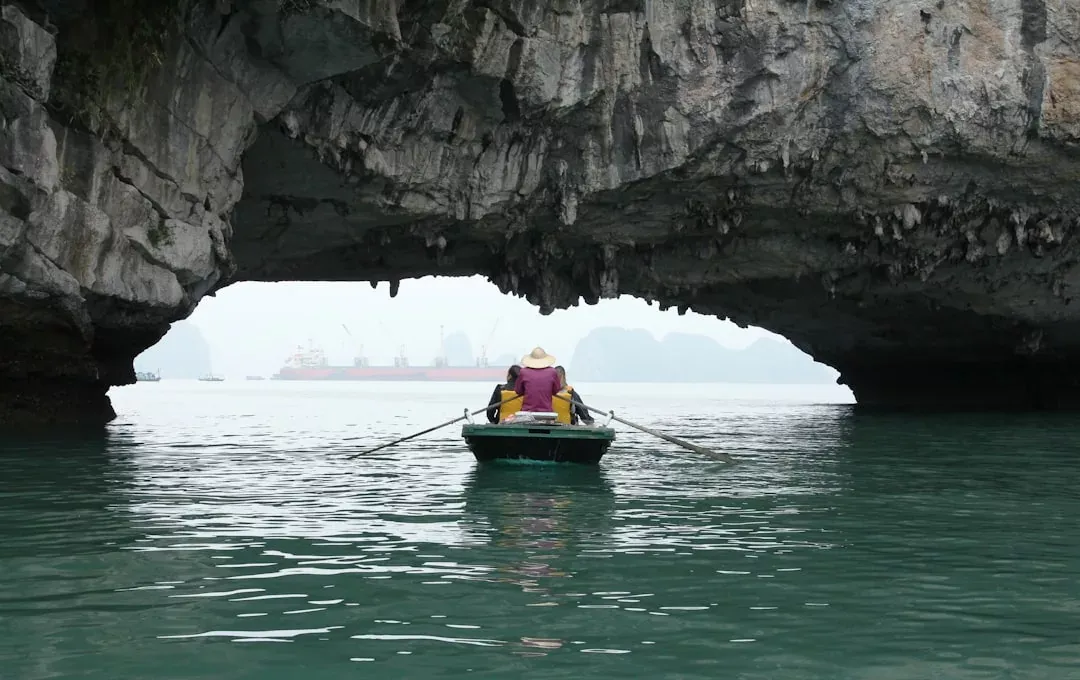
An anchor and its chain dragging across a meadow can tear out plants that took decades to grow. For that reason the Balearic decree of 2018 on the conservation of Posidonia forbids anchoring on the meadows. The rule applies to every boat, from a small hired boat to a large yacht, and in summer it is enforced in the busy bays.
In practice, anchor on clear sand, which shows as a pale patch in the water, and watch how the boat swings: the chain must stay on sand too. Several bays have seasonal fields of mooring buoys, laid precisely to protect the meadows; where they exist, use them, and check the current booking arrangements. If in doubt, look down or dive before you drop. Our guide to sailing and anchorages covers the coast bay by bay.
Leave no trace
The simplest rule is the oldest: take home everything you brought, and a little more if you find it. Cigarette ends are small, numerous and toxic in water, so carry a tin or pouch for them. Wet wipes, bottle tops and food scraps all end up in the sea. Many remote coves have no bins at all, and a spare bag in your rucksack solves the problem.
Leave sand, pebbles and shells where they are, and do not build towers of stones, which disturb the small creatures living underneath. Keep music to yourself and give other people the space you would like; in a narrow cove, sound carries. Light no fires and no barbecues on the beach or in the pinewoods behind it. In summer the risk of forest fire is real and the rules on fire are strict. The same habits apply in every one of the calas worth the walk.
Shade, sun, water and the dunes
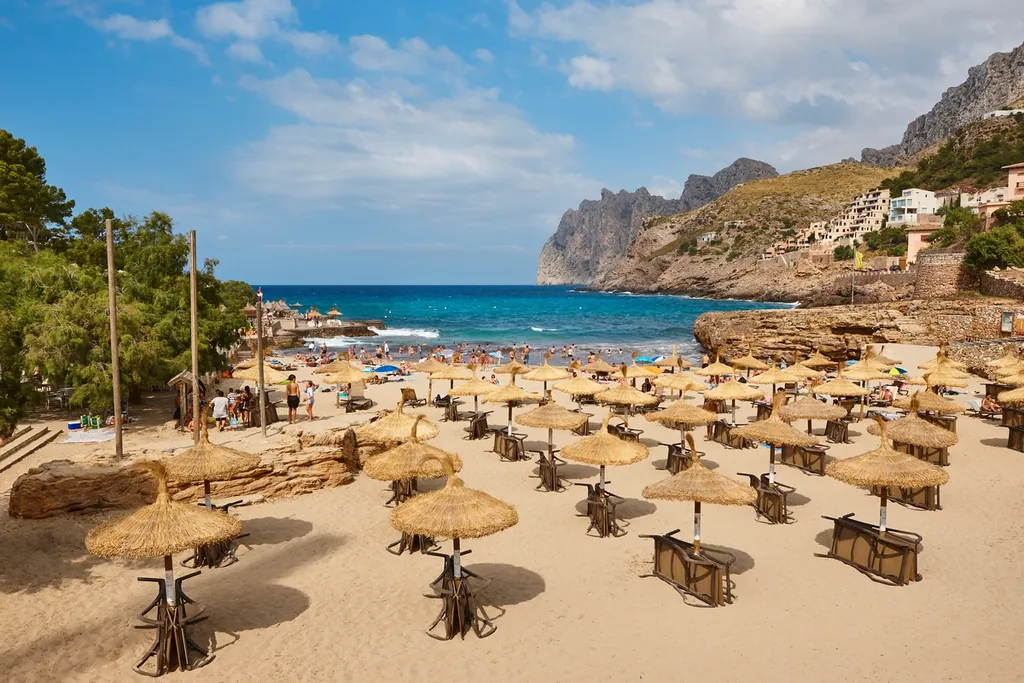
The summer sun in Mallorca is stronger than many visitors expect, and on the open beaches of the south there is almost no shade. Bring your own: a parasol, a light shelter, a shirt and a hat. Carry more water than seems reasonable, especially to coves with a walk in. The middle of the day is for lunch in the shade, not for the sand; islanders know this, which is why beaches fill again in the late afternoon.
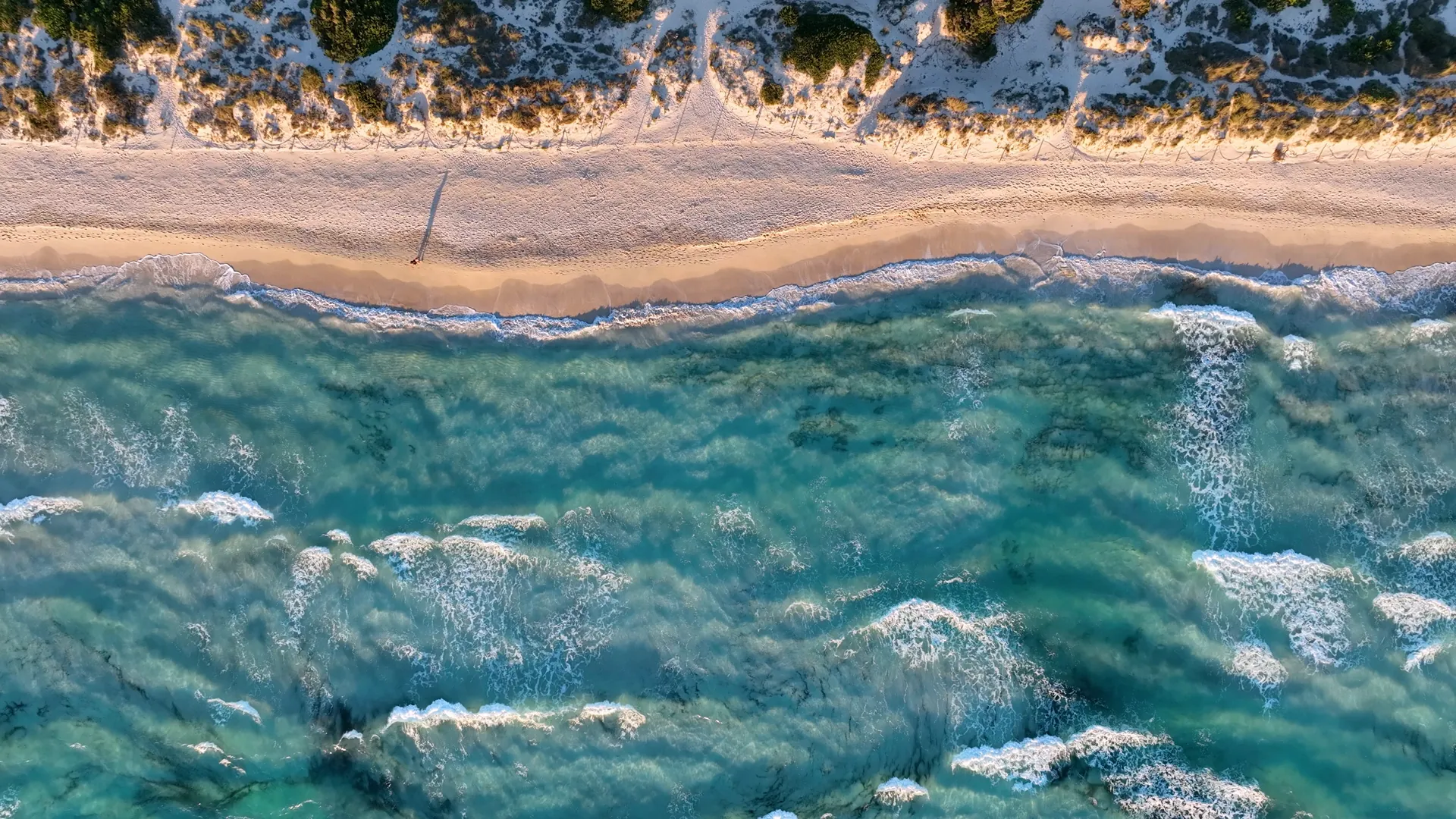
Use sunscreen sensibly and give it time to sink in before you swim, so that less of it ends up as a film on the water. Behind many beaches lie dunes, which store the sand that storms take away and later return. Stay on the marked paths and boardwalks, never sit or picnic in the hollows, and treat a rope fence as a wall: behind it, plants are holding the beach together. Our guide to Es Trenc and the beaches of the south shows what is at stake.
Parking and arriving early
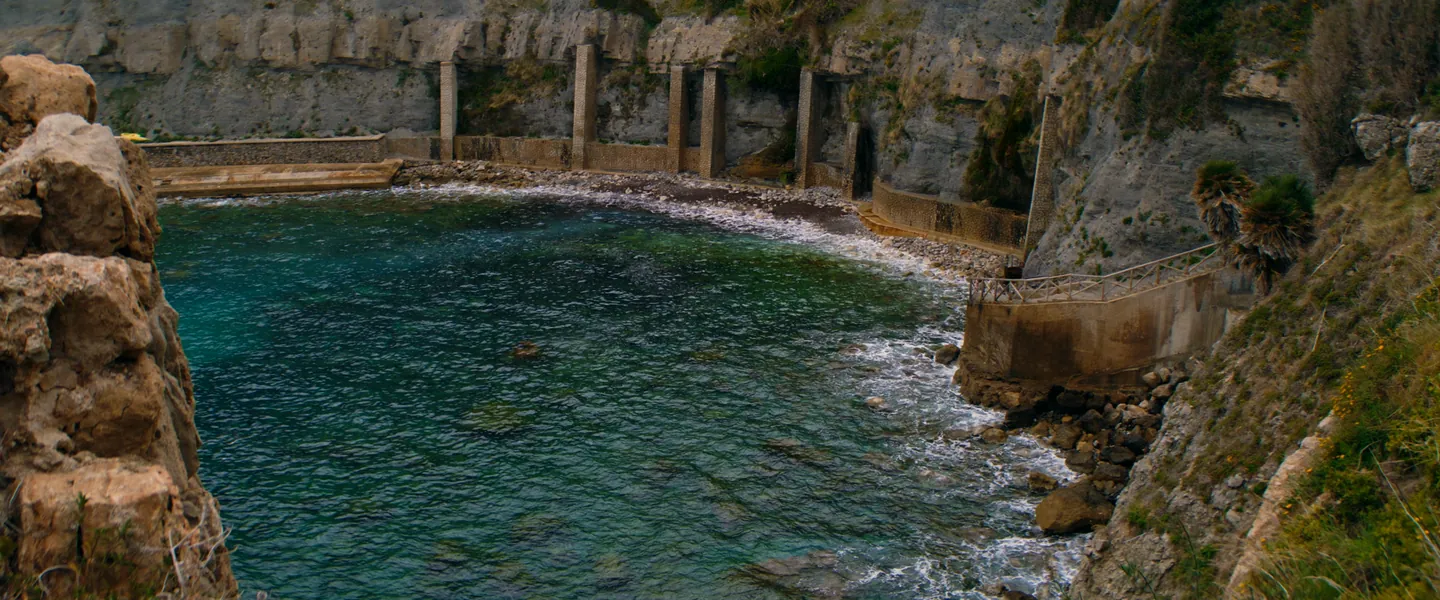
Many beach problems in summer begin in the car park. The lanes to the coves are often narrow, and the tracks behind them are farm and fire roads that must stay clear for tractors and emergency vehicles. Park only where it is permitted, never across a gate or on a verge that narrows the road; cars left badly can be fined or towed. When the car park is full, the cove is full too, so choose another.
Arriving early is the single best piece of advice for any Mallorcan beach. Before mid-morning you find space, cool sand and glassy water, and you leave as the crowds arrive. Outside July and August the pressure eases a great deal. The wind beach finder helps you choose the calm coast for the day, and our guide to the best time to visit helps you choose the month.
Naturism and drones
Naturism has a long and relaxed tradition on stretches of some of the island's long, open beaches and on a few remote coves, where clothed and unclothed bathers share the sand without fuss. The etiquette is simple: follow the custom of the place you are in, be discreet, do not stare, and never photograph other people without their consent. Families are present on many of these beaches too, and nobody makes anything of it.
Drones are another matter. Much of the coast lies within natural parks, near the airport or close to other restricted areas, and flying is allowed only where the rules permit it. Spain's aviation safety agency sets those rules, and they apply to holiday flights as much as to professional ones. Beyond the law, a drone hovering over a quiet cove spoils it for everyone below. If you are not certain that a flight is permitted, keep the drone in its case.
Key points
- Posidonia is a flowering seagrass found only in the Mediterranean; its meadows keep the water clear and the sand in place.
- The brown banks of dead leaves protect beaches from winter storms, so leave them where they lie.
- The Balearic decree of 2018 forbids anchoring on Posidonia: drop on pale sand or use the seasonal buoy fields.
- Take everything home, keep off the dunes, light no fires and park only where it is permitted.
- Naturism is a quiet tradition on some long beaches; drones may fly only where the rules allow.
Questions
Is the brown material on the beach pollution?
No. The brown banks are dead leaves of Posidonia oceanica, a seagrass that grows offshore, washed up by winter storms. They protect the beach from erosion and are a sign of a healthy sea. On many beaches they are left in place on purpose, so walk past them to the clear sand rather than moving them.
Can I anchor anywhere in Mallorca?
No. Under the Balearic decree of 2018, anchoring on Posidonia meadows is forbidden. Anchor only on clear sand, which shows as a pale patch, and make sure the chain stays on sand as the boat swings. In several bays you can use seasonal mooring buoys instead; check the current booking arrangements before you go.
Is naturism allowed on Mallorca's beaches?
Naturism has a long tradition on stretches of some long, open beaches and on a few remote coves, where clothed and unclothed bathers share the sand. The custom is to follow the practice of the beach you are on, to be discreet and never to photograph others. On busy town beaches, swimwear is the norm.
Can I fly a drone on the beach?
Only where the rules allow it. Much of Mallorca's coast lies within natural parks, near the airport or in other restricted zones, and Spain's aviation safety agency sets the conditions for every flight, holiday ones included. Check the current rules before flying, respect other people's privacy, and if in doubt leave the drone in its case.
Official sources
- Govern de les Illes Balears
- Agencia Estatal de Seguridad Aérea (AESA)
- Instituto Español de Oceanografía
Published 19 October 2026 by the editors of island mallorca. Facts were checked in autumn 2026; rules, timetables and access can change.